Research/Reading the Masters
변시지 탄생 100주년 · Byun Shi-Ji Centenary 1926–2026
Reading the Masters
Fifty Paintings, Read from Jeju
- Ⅰ Those Who Held the Light · 6
- Ⅱ Those Who Went Into the Dark · 6
- Ⅲ Those Who Broke the Form · 6
- Ⅳ Those Who Stood Before Nature · 6
- Ⅴ Those Who Painted People · 8
- Ⅵ Those Who Saw Visions · 6
- Ⅶ Those of Today · 11
- 終 Afterword · 1
Foreword
Reading the Masters from Jeju
This book rereads fifty Western masterworks through the pictorial sensibility of Byun Shi-Ji.
Its point of departure is Jeju: a place crossed by wind, covered in the color of dried grass, and reduced at times to a single line that becomes a boat, a person, or a tree.
The purpose is not to establish rank. Different paintings illuminate one another through difference. Dialogue begins only when Western painting is not reduced to Byun, and Byun is not confined within Western concepts.
Art-historical information has been selectively clarified, while Byun’s aesthetics are grounded in verifiable passages and concepts from Art and Fūdo. No unverified statement is presented as the artist’s own words.
Key Terms
Fūdo — Not local color or regional quaintness, but the condition through which human beings encounter the world.
Dried-grass color — Neither ochre nor simple yellow, but the color of grass bleached by Jeju sunlight and dried over time by wind.
Emptiness — Not vacant space, but the place of what cannot be spoken, of a boat that has not returned, and of a person who waits.
Line — More than contour; it establishes the direction of invisible force and the posture of endurance.
Sources and Interpretation
Direct quotations are limited to verifiable source texts. The sentence often circulated as “I did not paint pictures; I painted myself” has not been verified as Byun Shi-Ji’s own statement and is not used as a direct quotation. The interpretations are the author’s.
ⅠThose Who Held the Light
01–06 · 6 essays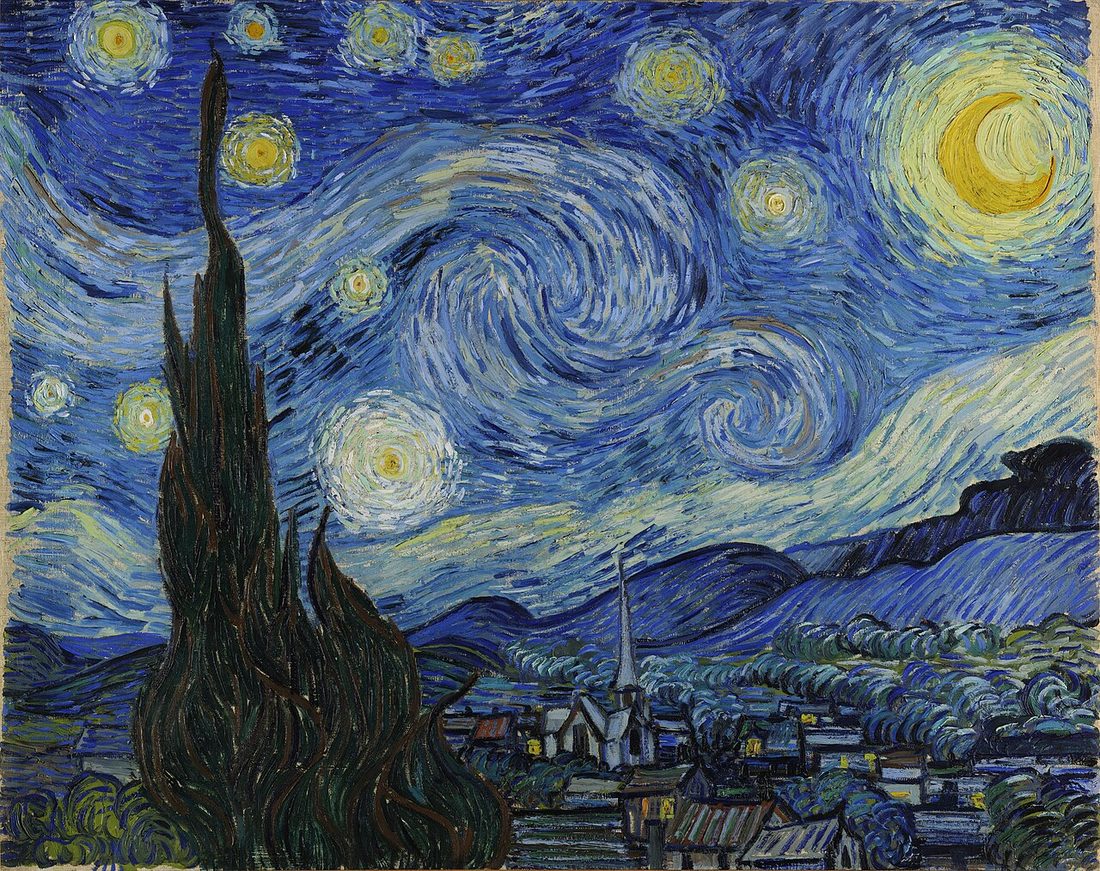
No. 01 · Ⅰ
Vincent van Gogh — The Starry Night
1889 · The Museum of Modern Art, New York
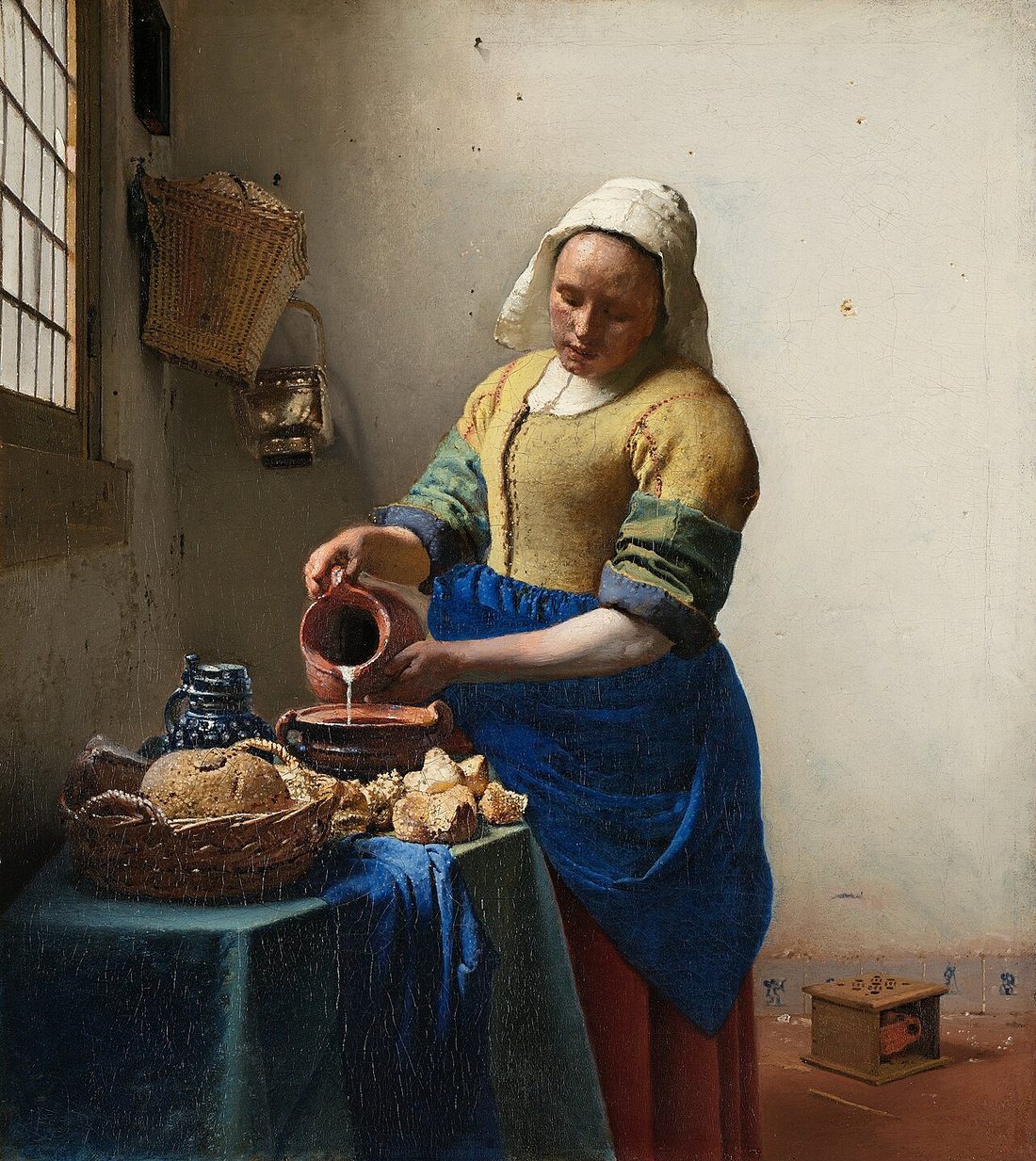
No. 02 · Ⅰ
Johannes Vermeer — The Milkmaid
c. 1658–1660 · Rijksmuseum, Amsterdam
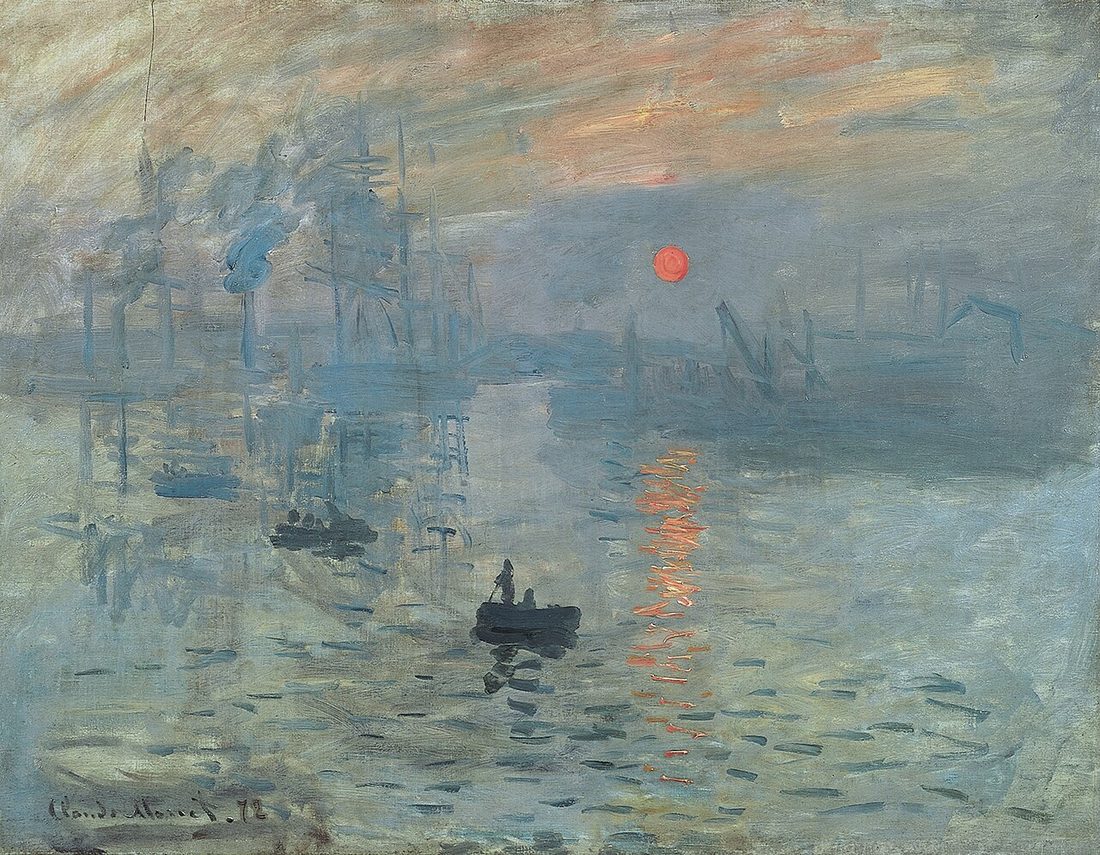
No. 03 · Ⅰ
Claude Monet — Impression, Sunrise
1872 · Musée Marmottan Monet, Paris
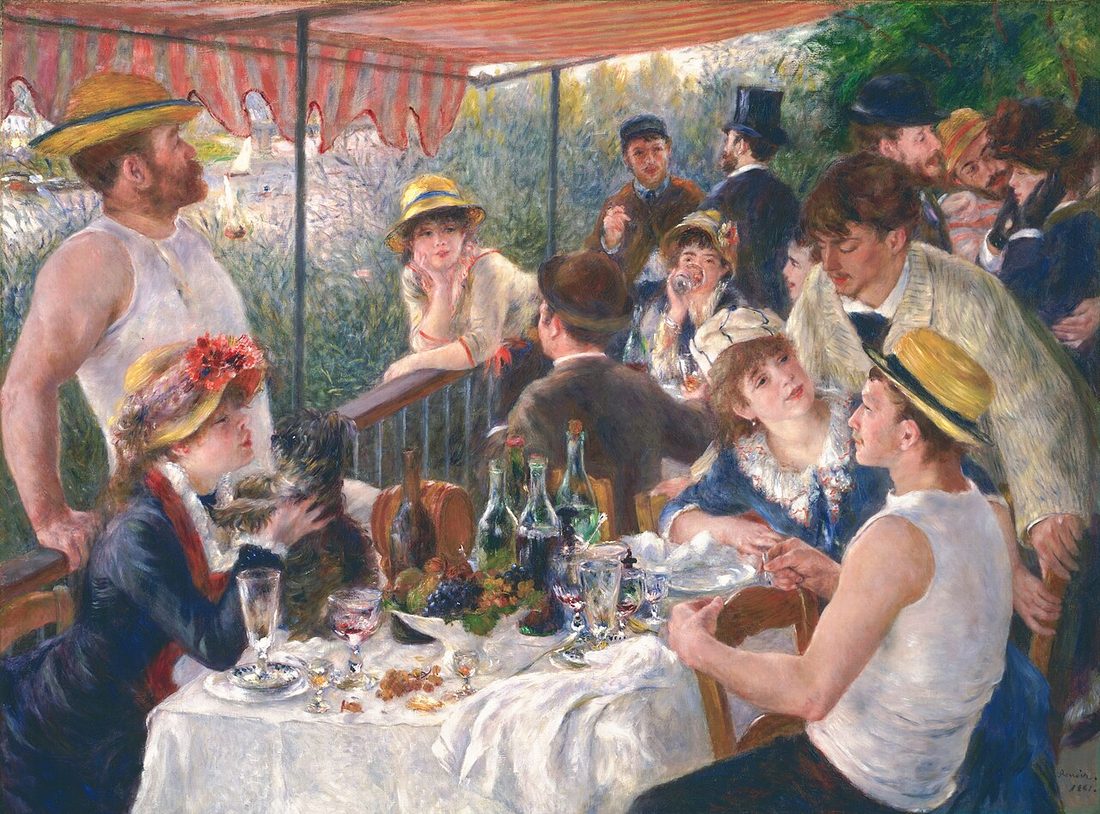
No. 04 · Ⅰ
Pierre-Auguste Renoir — Luncheon of the Boating Party
1880–1881 · The Phillips Collection, Washington, D.C.
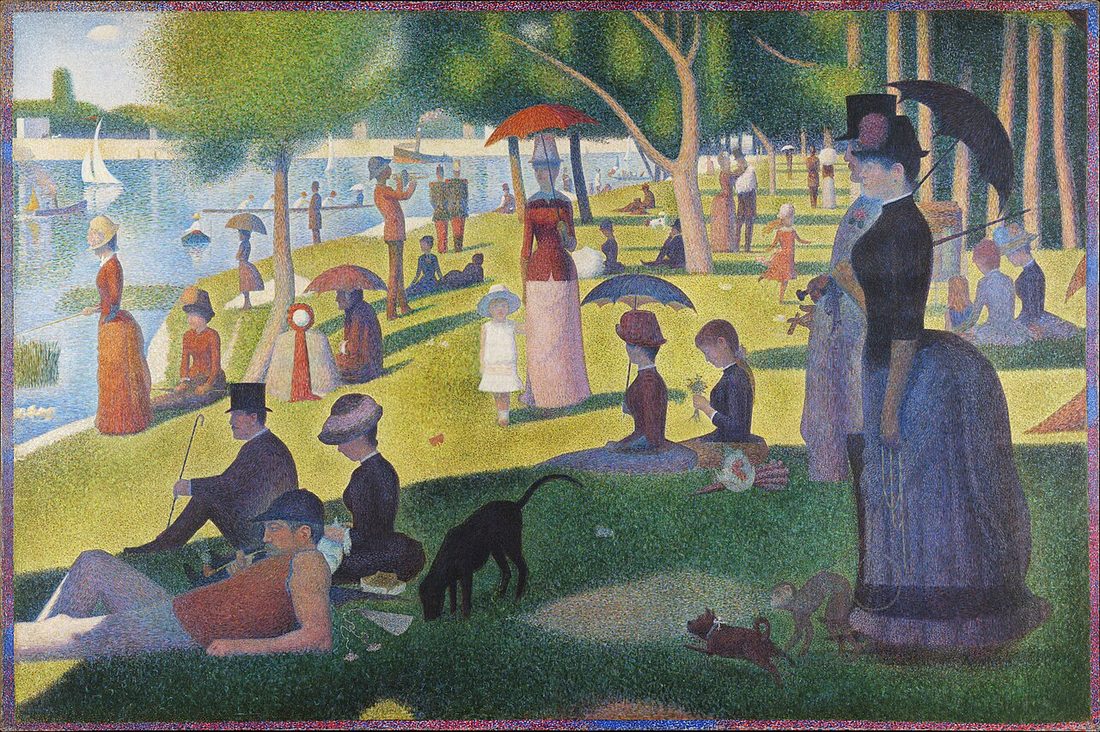
No. 05 · Ⅰ
Georges Seurat — A Sunday on La Grande Jatte
1884–1886 · Art Institute of Chicago
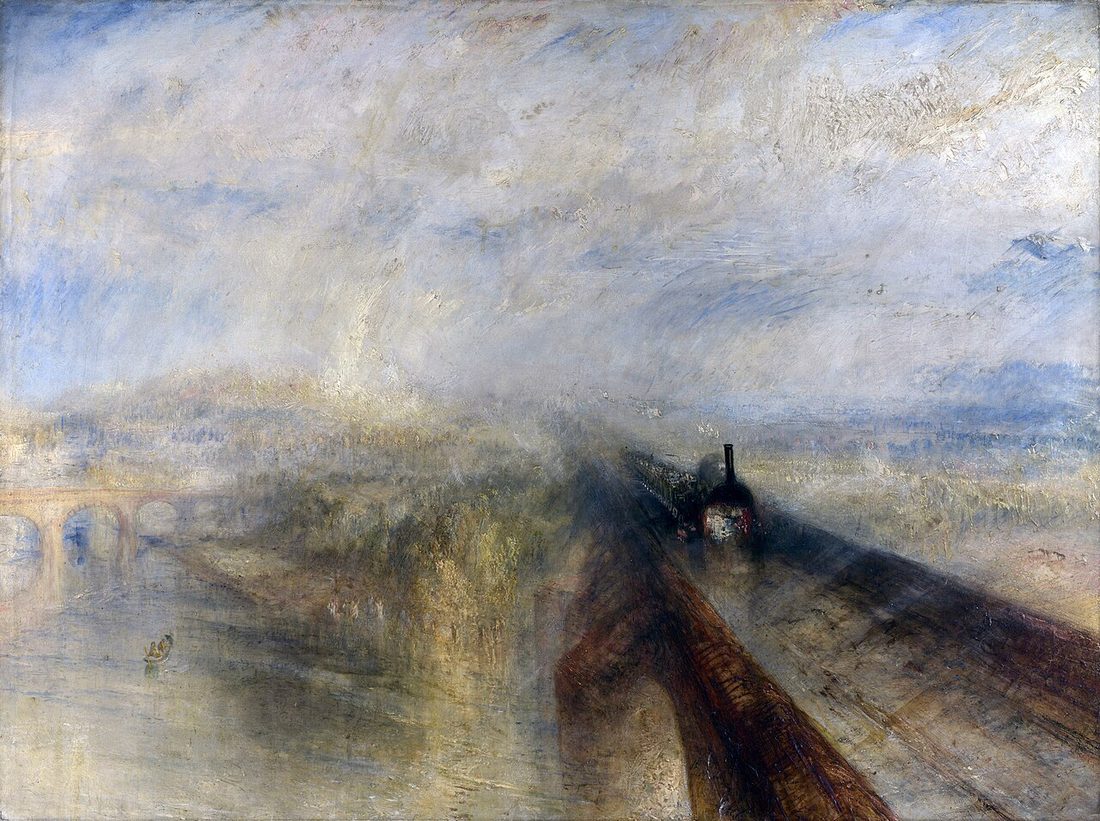
No. 06 · Ⅰ
J. M. W. Turner — Rain, Steam and Speed
1844 · The National Gallery, London
ⅡThose Who Went Into the Dark
07–12 · 6 essays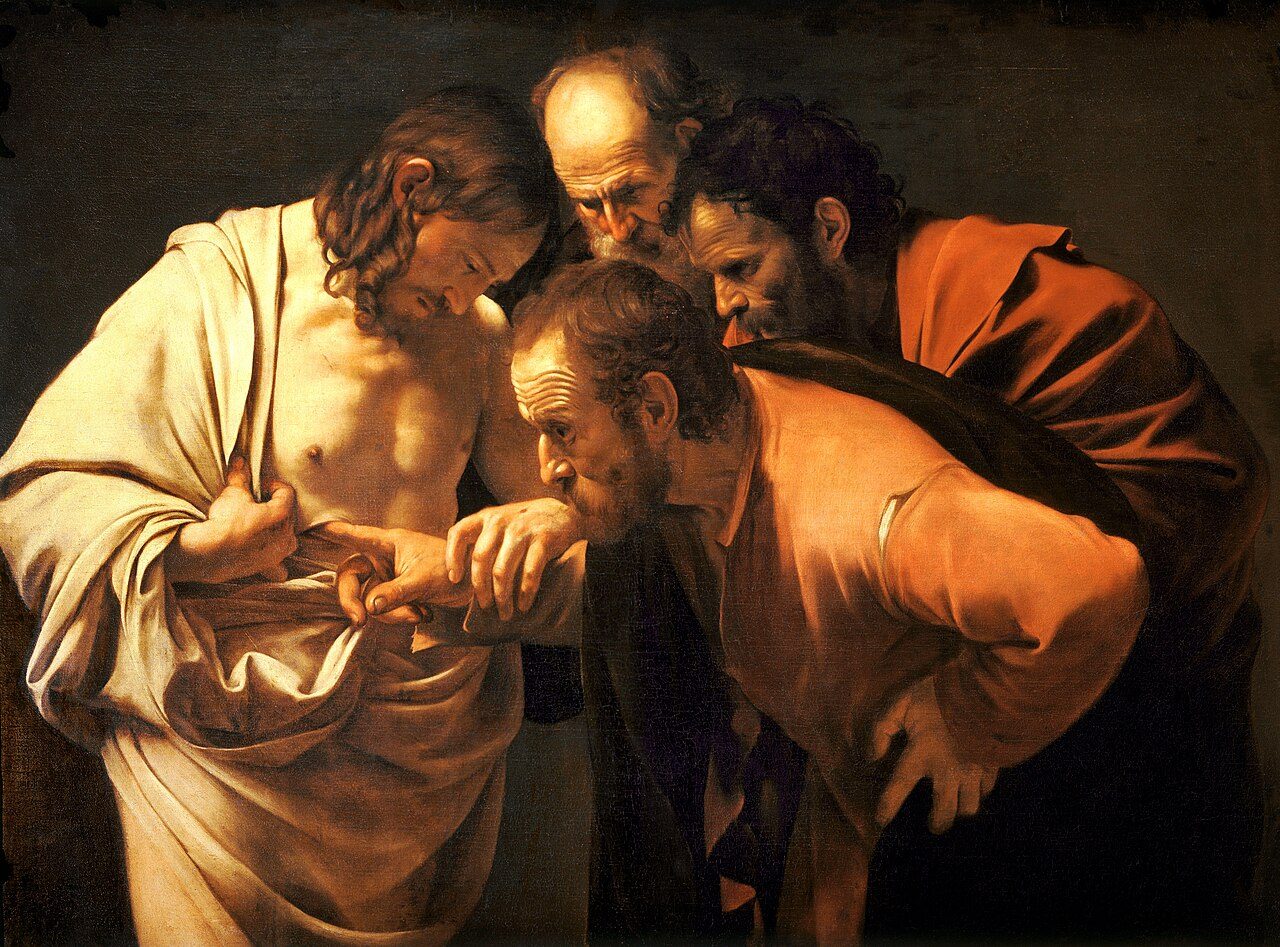
No. 07 · Ⅱ
Caravaggio — The Incredulity of Saint Thomas
c. 1601–1602 · Picture Gallery, Sanssouci, Potsdam
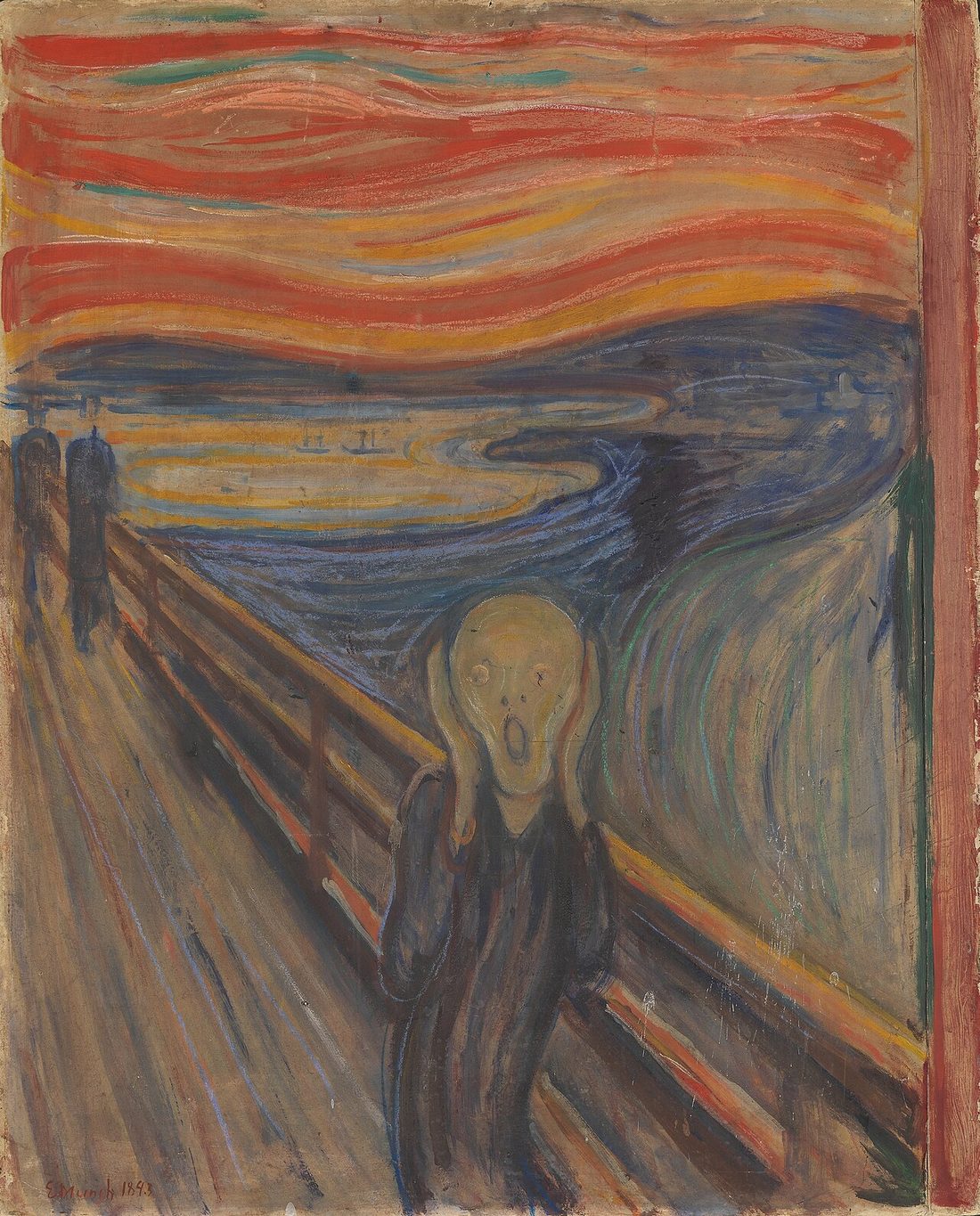
No. 08 · Ⅱ
Edvard Munch — The Scream
1893 · National Museum, Oslo
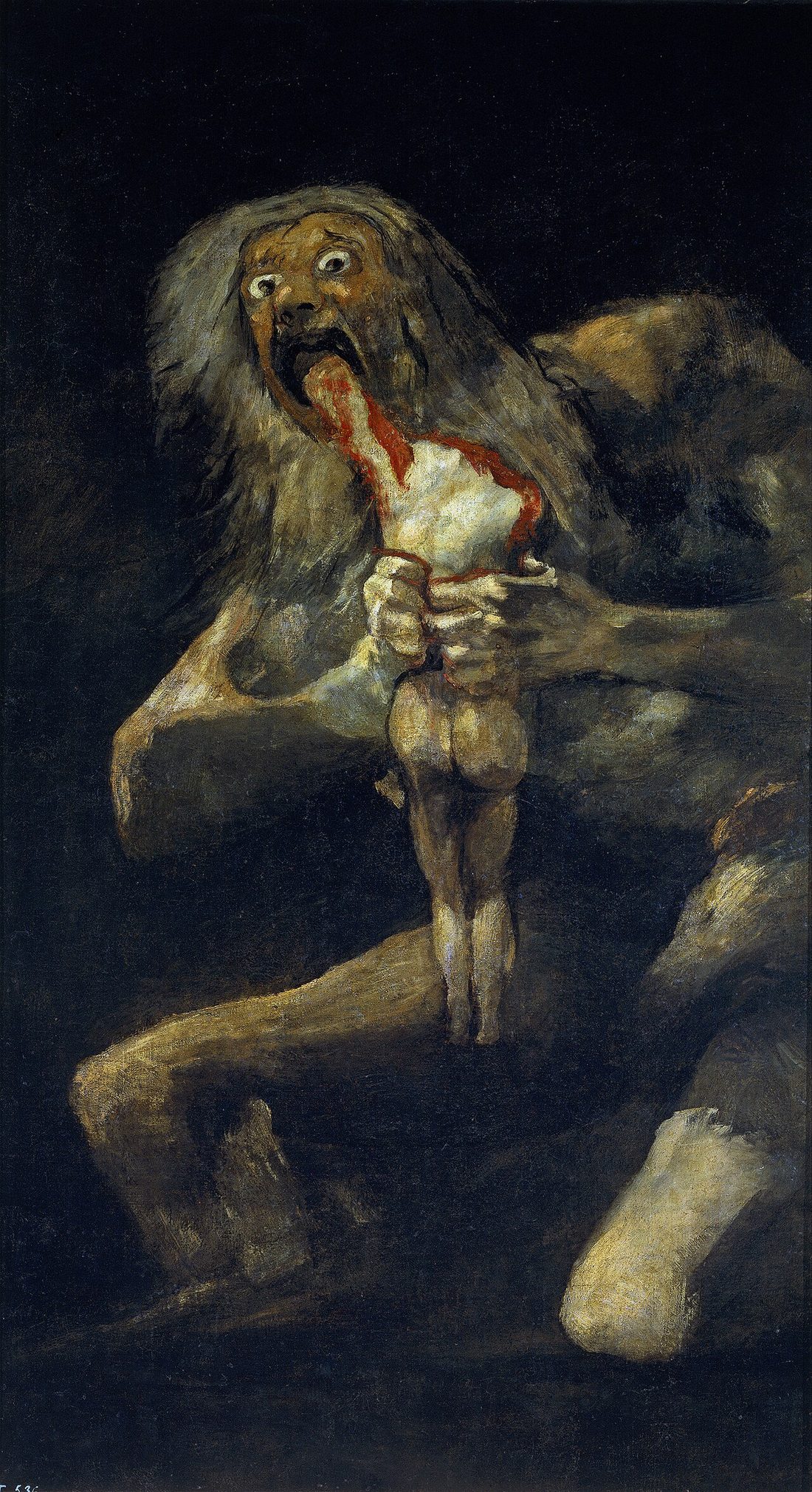
No. 09 · Ⅱ
Francisco de Goya — The Black Paintings
1819–1823 · Museo del Prado, Madrid
No. 10 · Ⅱ
Edward Hopper — Nighthawks
1942 · Art Institute of Chicago
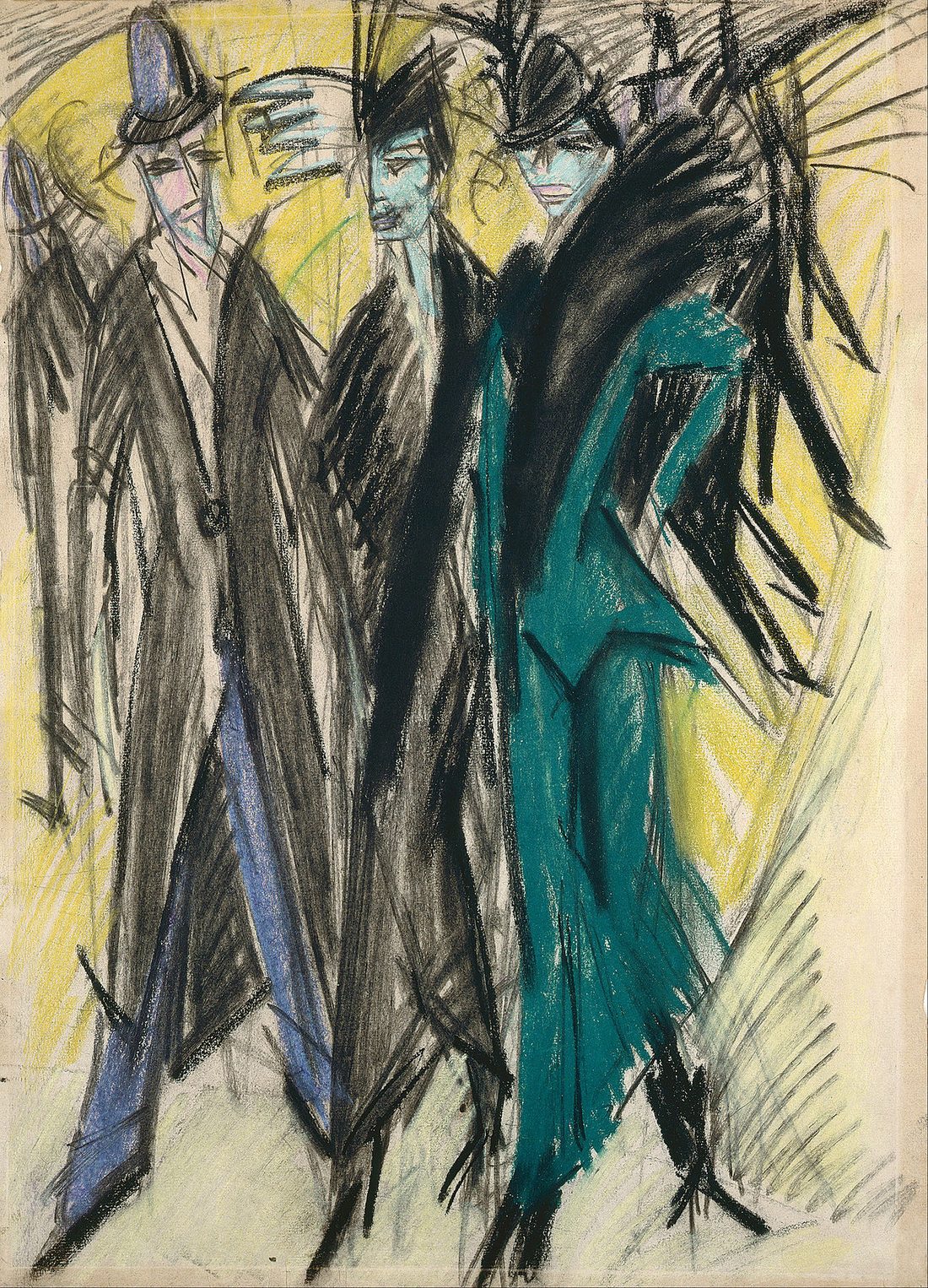
No. 11 · Ⅱ
Ernst Ludwig Kirchner — Berlin Street Scene
1913
No. 12 · Ⅱ
Francis Bacon — Study after Velázquez’s Portrait of Pope Innocent X
1953 · Des Moines Art Center
ⅢThose Who Broke the Form
13–18 · 6 essays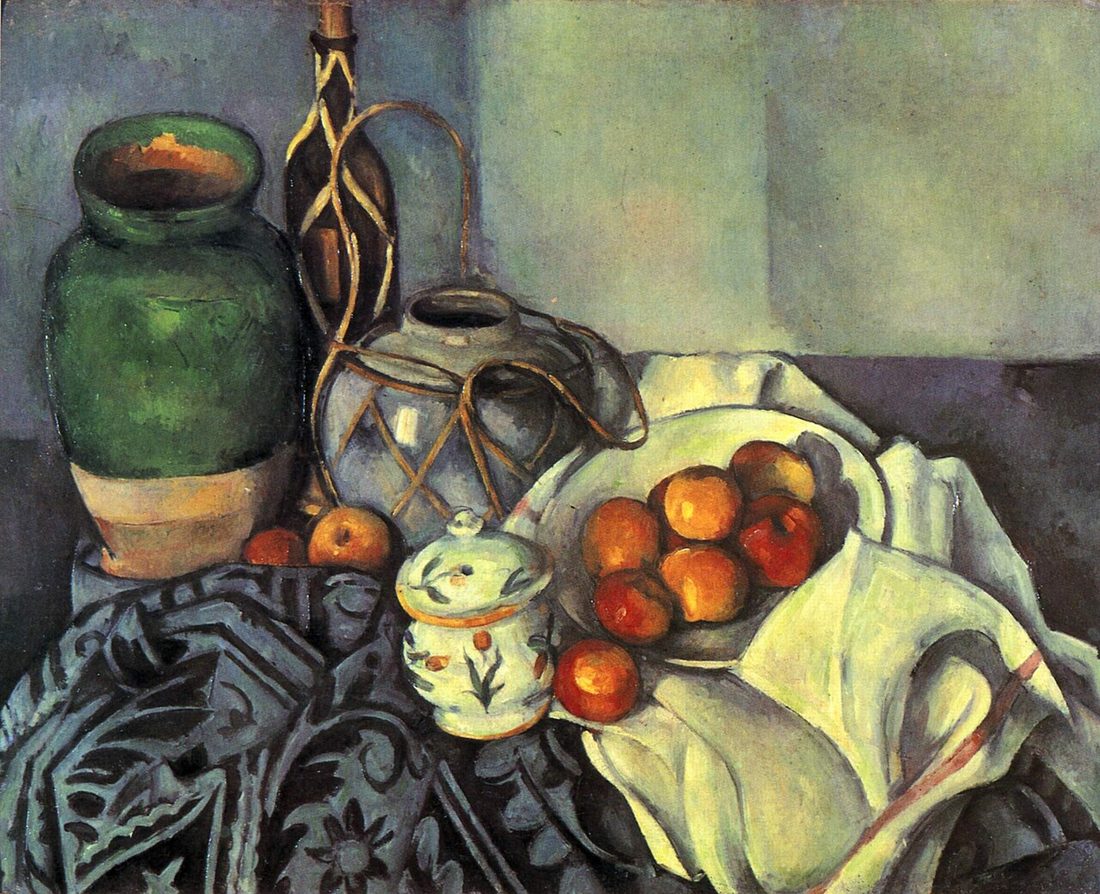
No. 13 · Ⅲ
Paul Cézanne — Still Life with Apples
1890s
No. 14 · Ⅲ
Pablo Picasso — Les Demoiselles d’Avignon
1907 · The Museum of Modern Art, New York
No. 15 · Ⅲ
Henri Matisse — The Red Room
1908 · State Hermitage Museum, St Petersburg
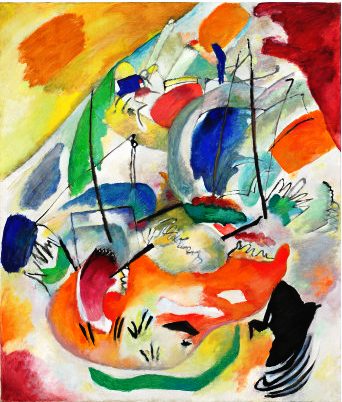
No. 16 · Ⅲ
Wassily Kandinsky — Improvisation 31 (Sea Battle)
1913 · National Gallery of Art, Washington, D.C.
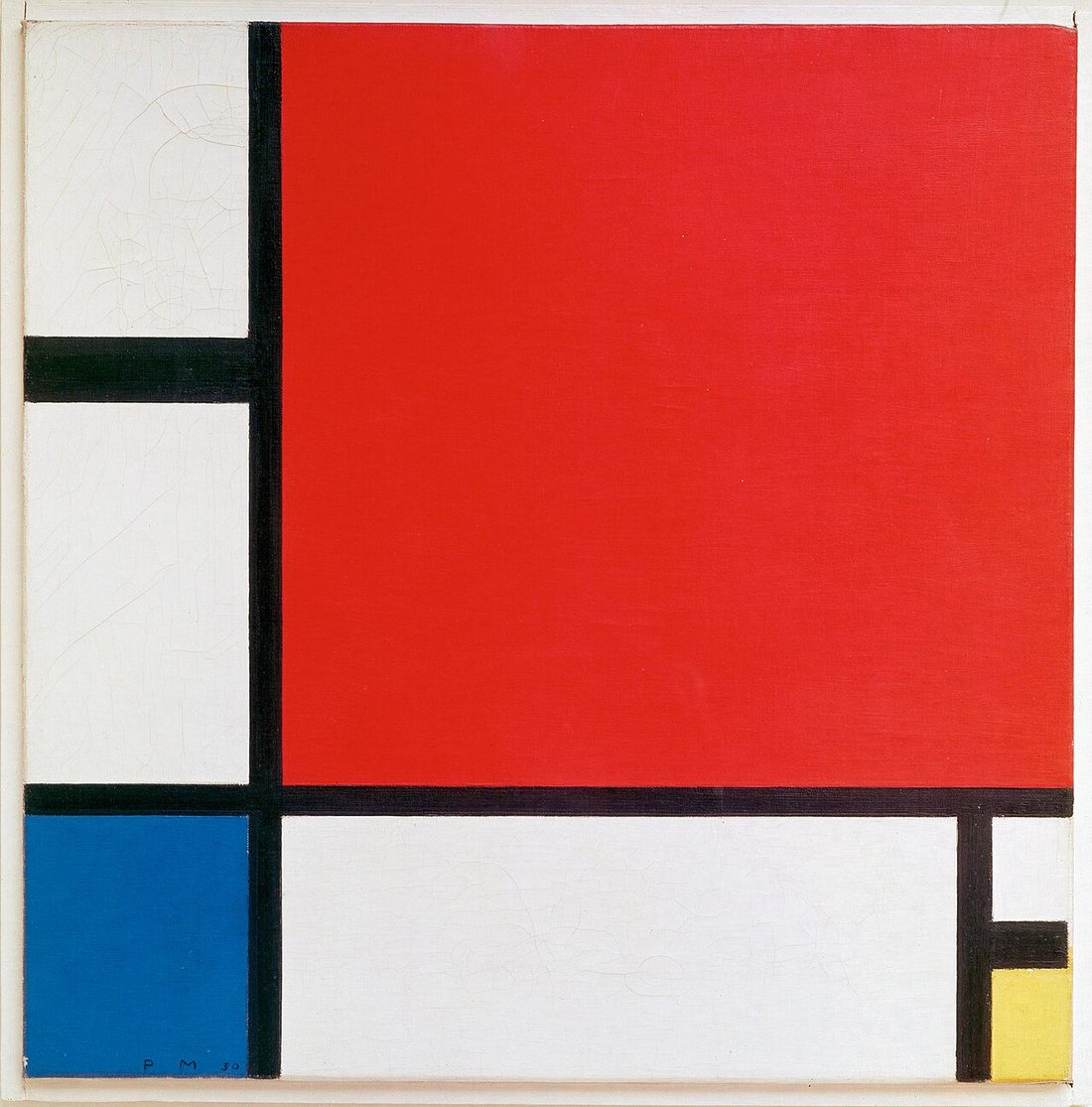
No. 17 · Ⅲ
Piet Mondrian — Composition with Red, Blue and Yellow
c. 1930
No. 18 · Ⅲ
René Magritte — The Treachery of Images
1929 · Los Angeles County Museum of Art
ⅣThose Who Stood Before Nature
19–24 · 6 essays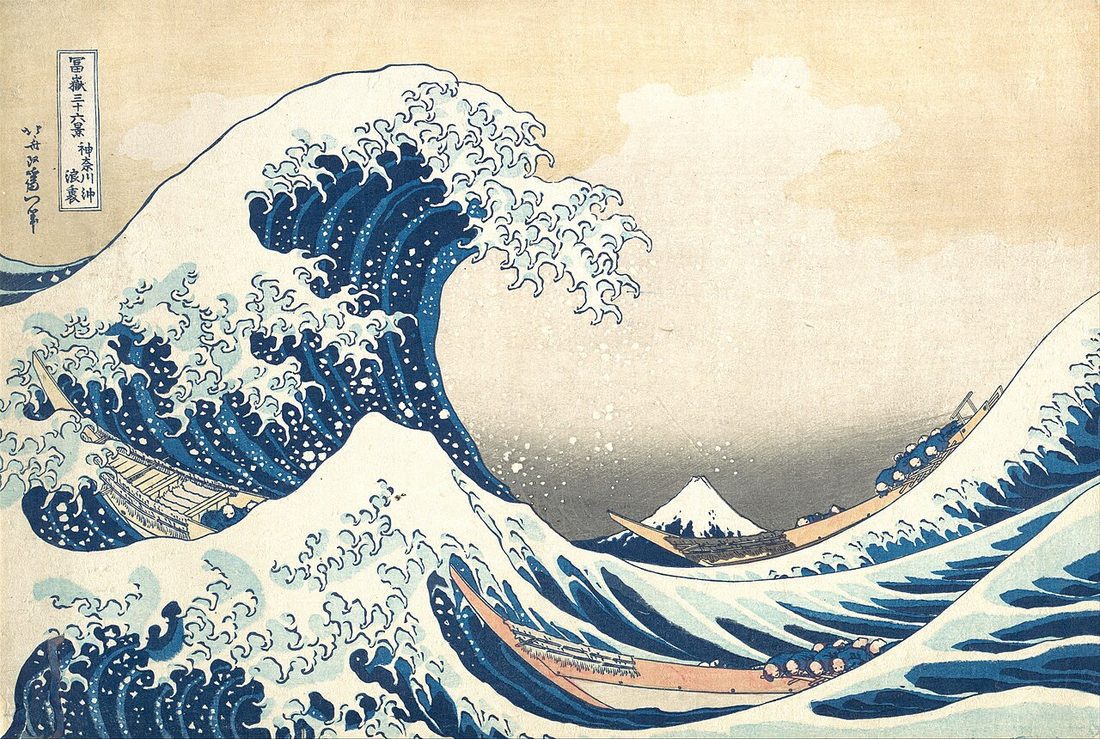
No. 19 · Ⅳ
Katsushika Hokusai — Under the Wave off Kanagawa
c. 1830–1832
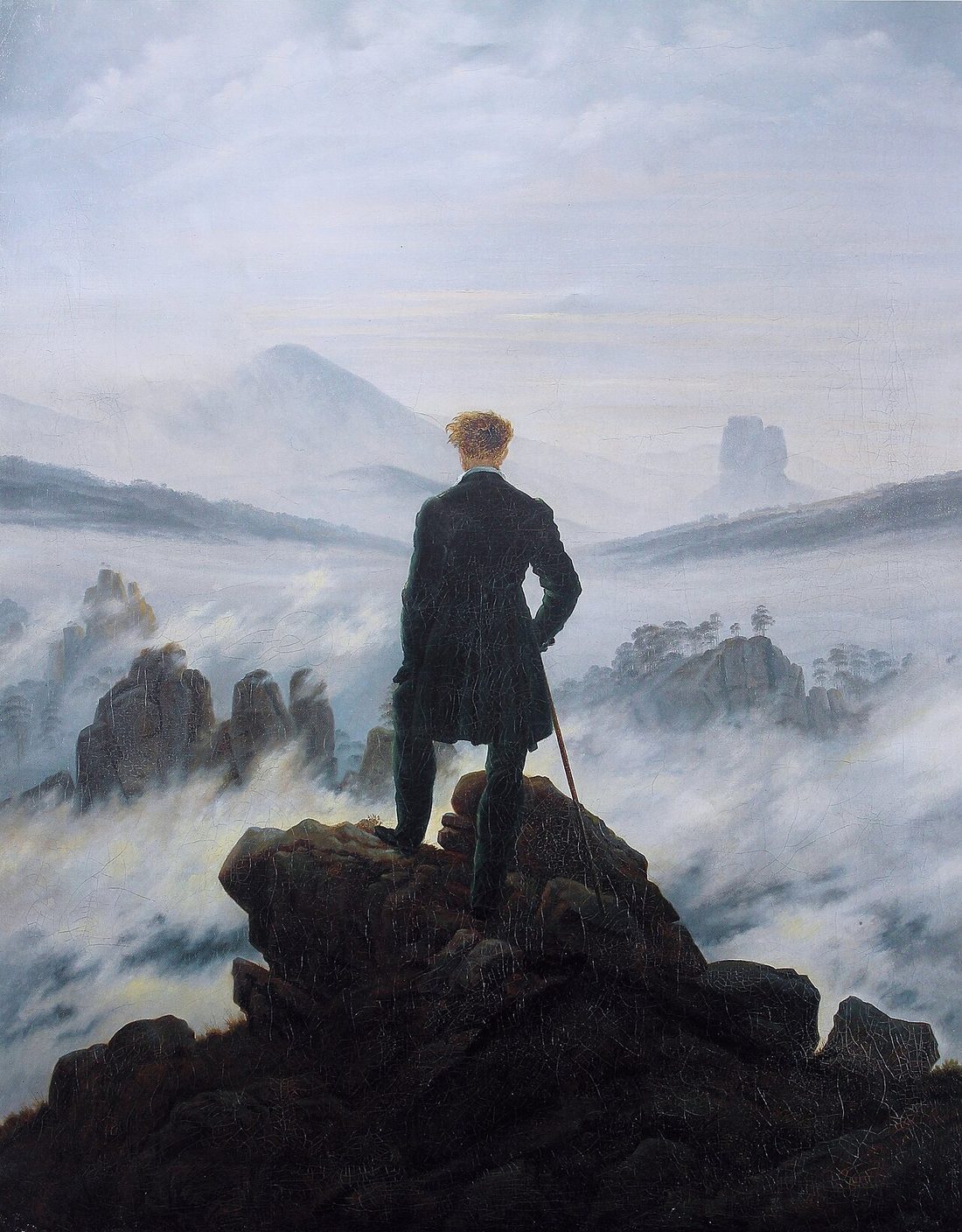
No. 20 · Ⅳ
Caspar David Friedrich — Wanderer above the Sea of Fog
c. 1818 · Hamburger Kunsthalle
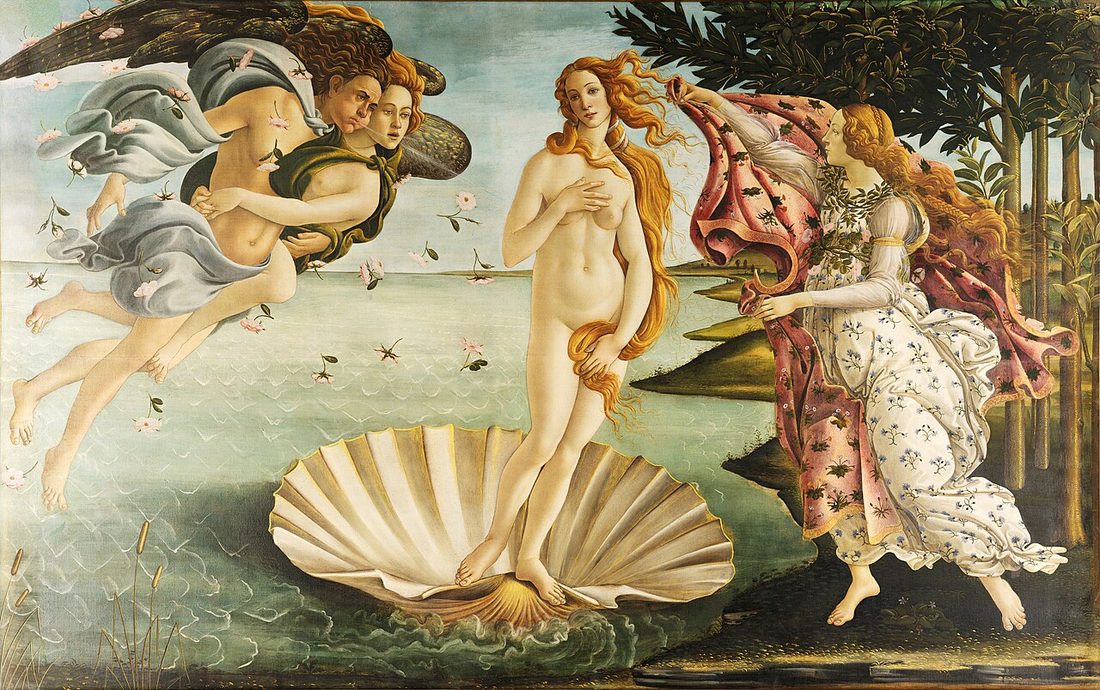
No. 21 · Ⅳ
Sandro Botticelli — The Birth of Venus
c. 1484–1486 · Uffizi Galleries, Florence
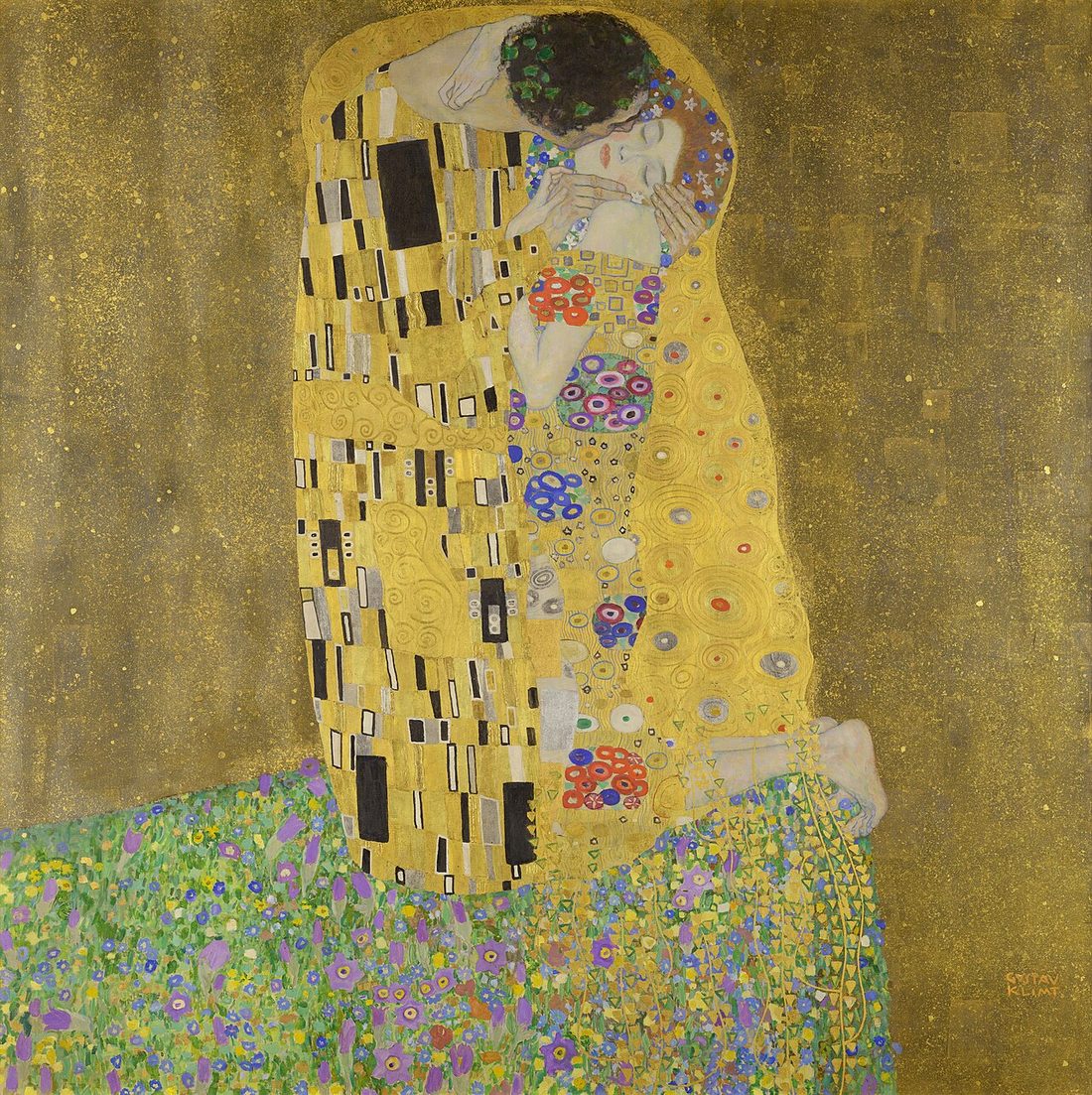
No. 22 · Ⅳ
Gustav Klimt — The Kiss
1907–1908 · Belvedere, Vienna
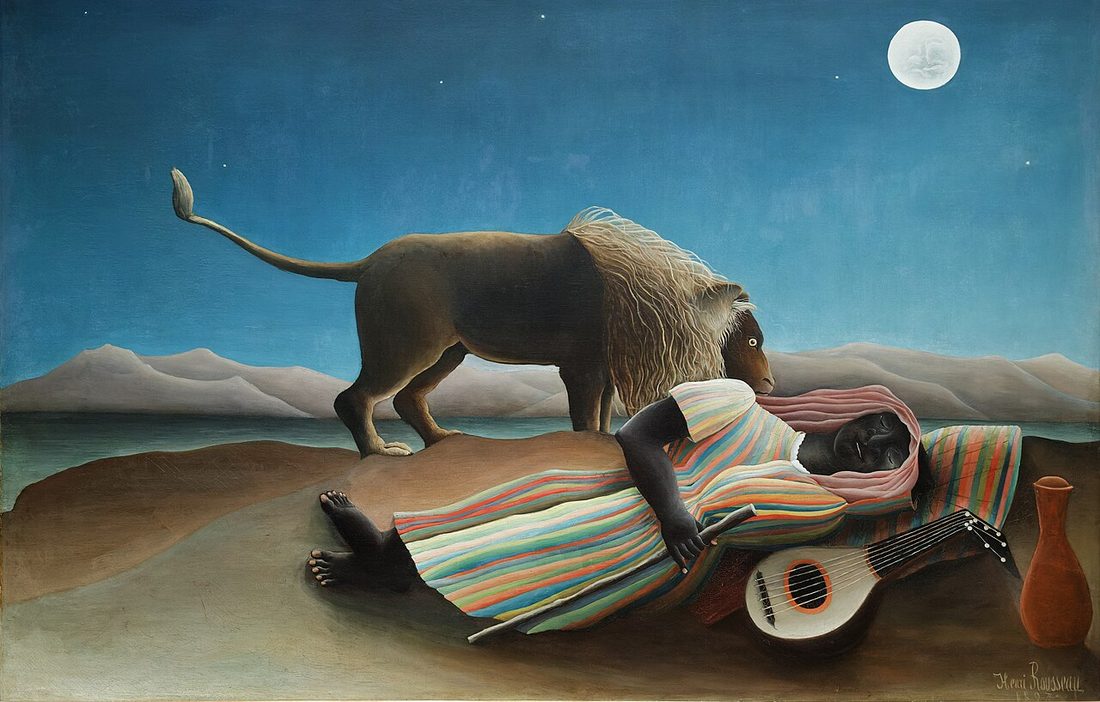
No. 23 · Ⅳ
Henri Rousseau — The Sleeping Gypsy
1897 · The Museum of Modern Art, New York
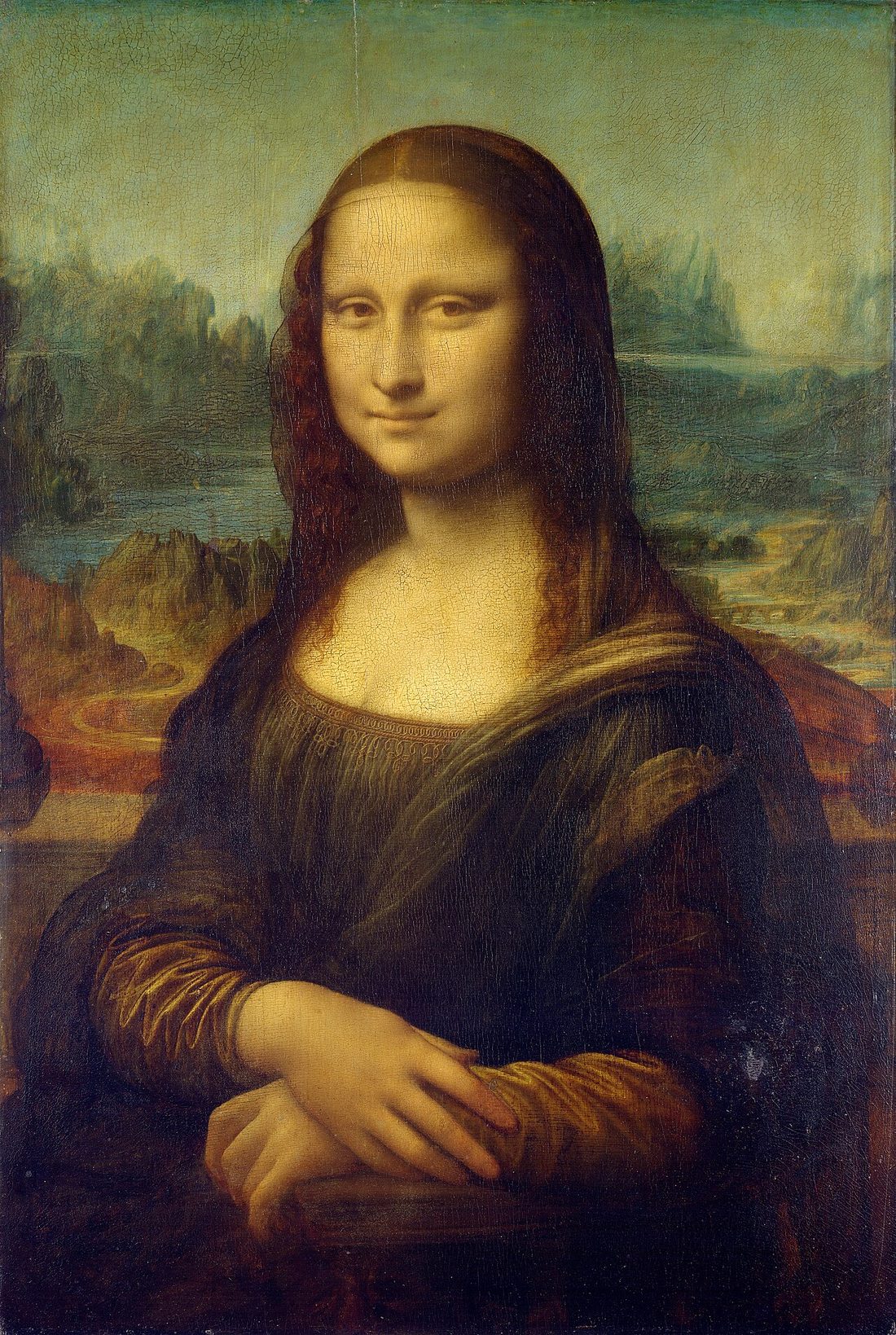
No. 24 · Ⅳ
Leonardo da Vinci — Mona Lisa
c. 1503–1519 · Musée du Louvre, Paris
ⅤThose Who Painted People
25–32 · 8 essays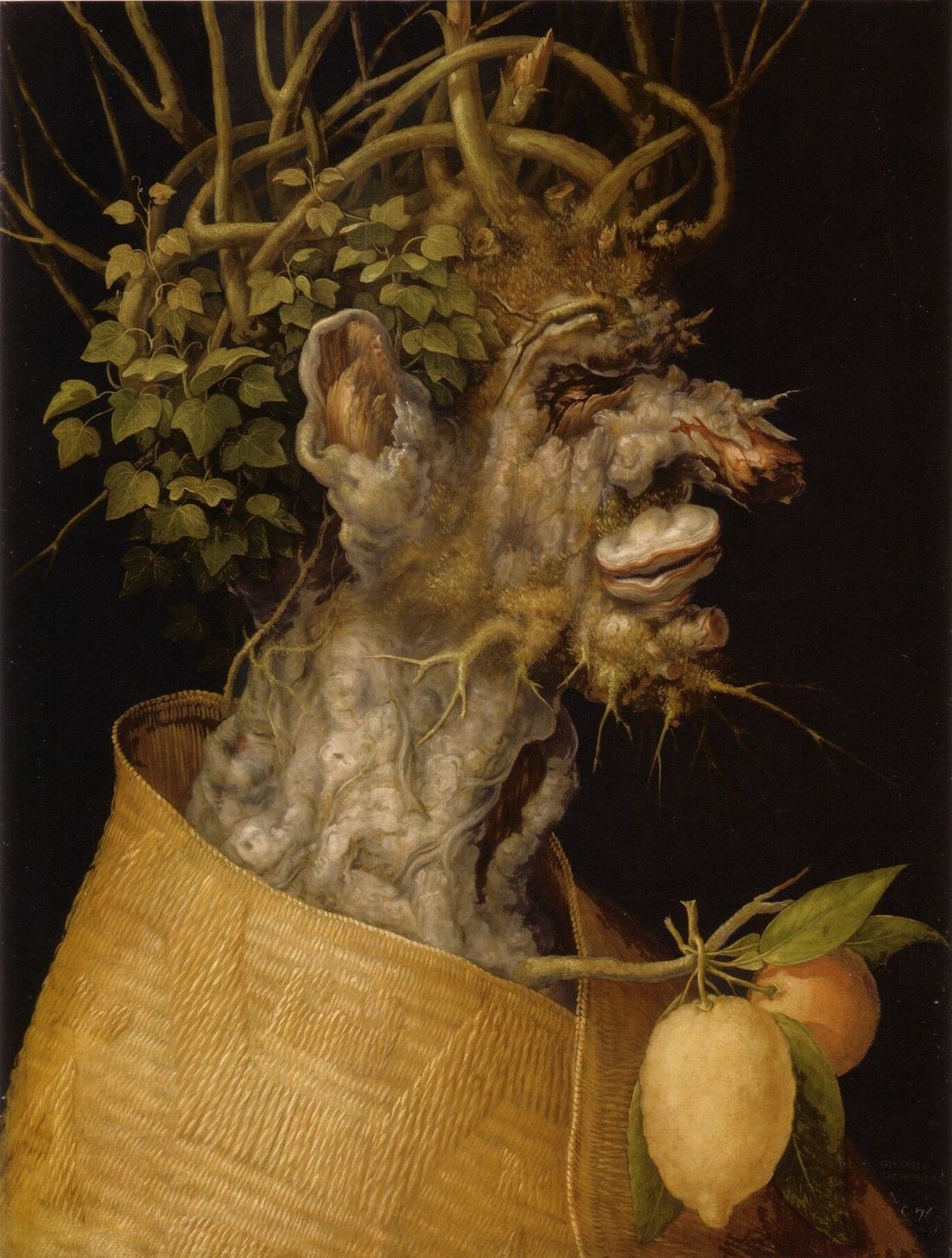
No. 25 · Ⅴ
Giuseppe Arcimboldo — The Four Seasons
No. 26 · Ⅴ
Salvador Dalí — The Persistence of Memory
1931 · The Museum of Modern Art, New York
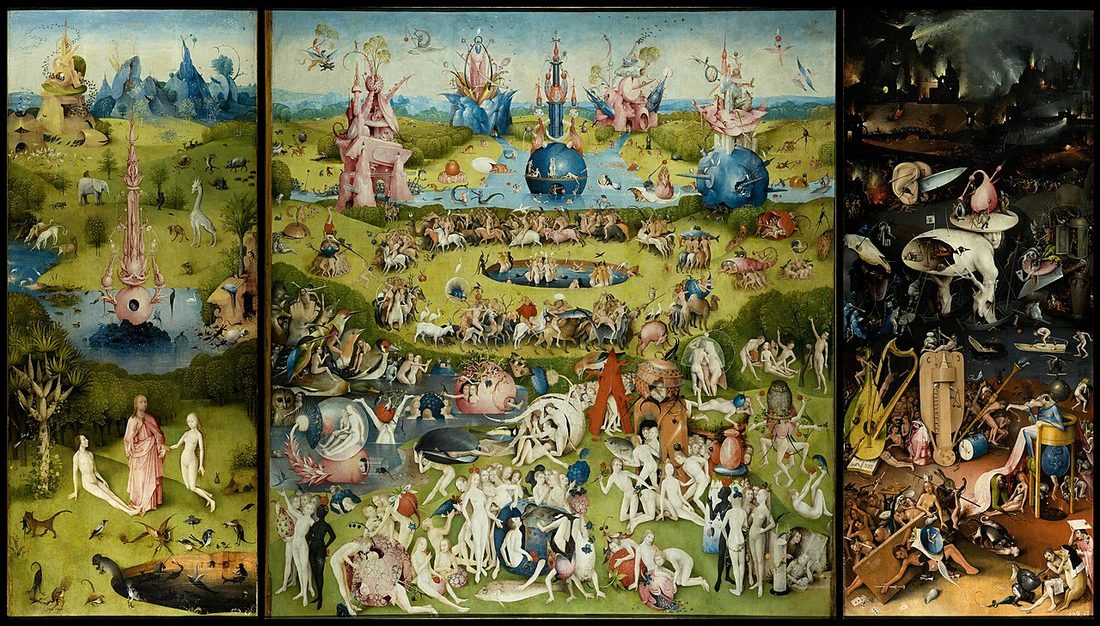
No. 27 · Ⅴ
Hieronymus Bosch — The Garden of Earthly Delights
c. 1490–1510 · Museo del Prado, Madrid
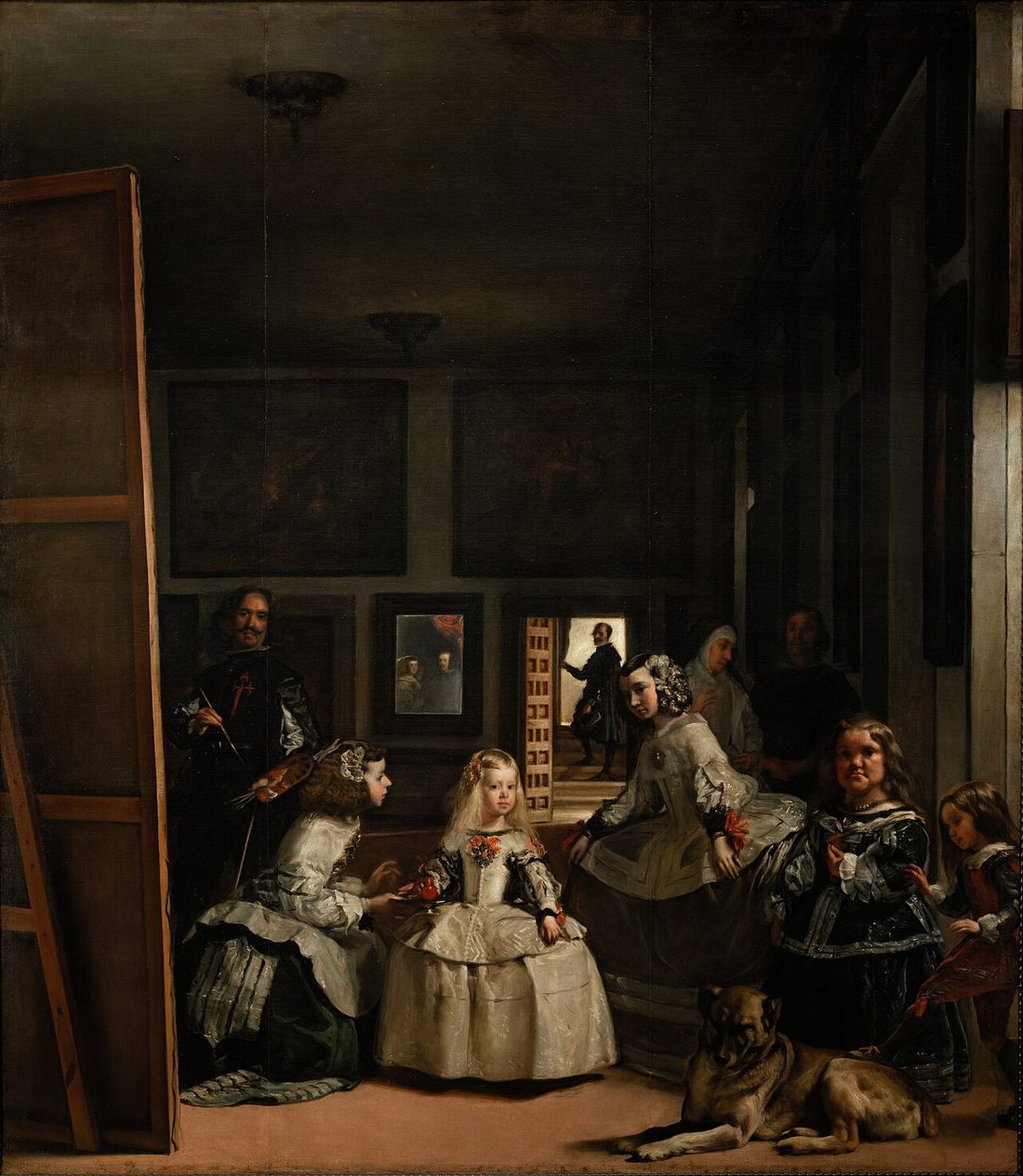
No. 28 · Ⅴ
Diego Velázquez — Las Meninas
1656 · Museo del Prado, Madrid
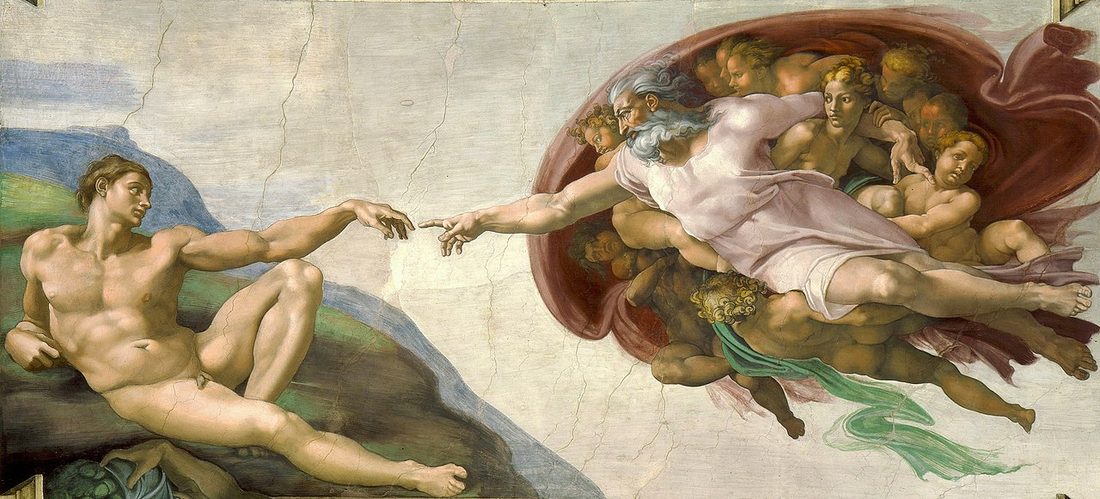
No. 29 · Ⅴ
Michelangelo — Sistine Chapel Ceiling
1508–1512 · Sistine Chapel, Vatican City
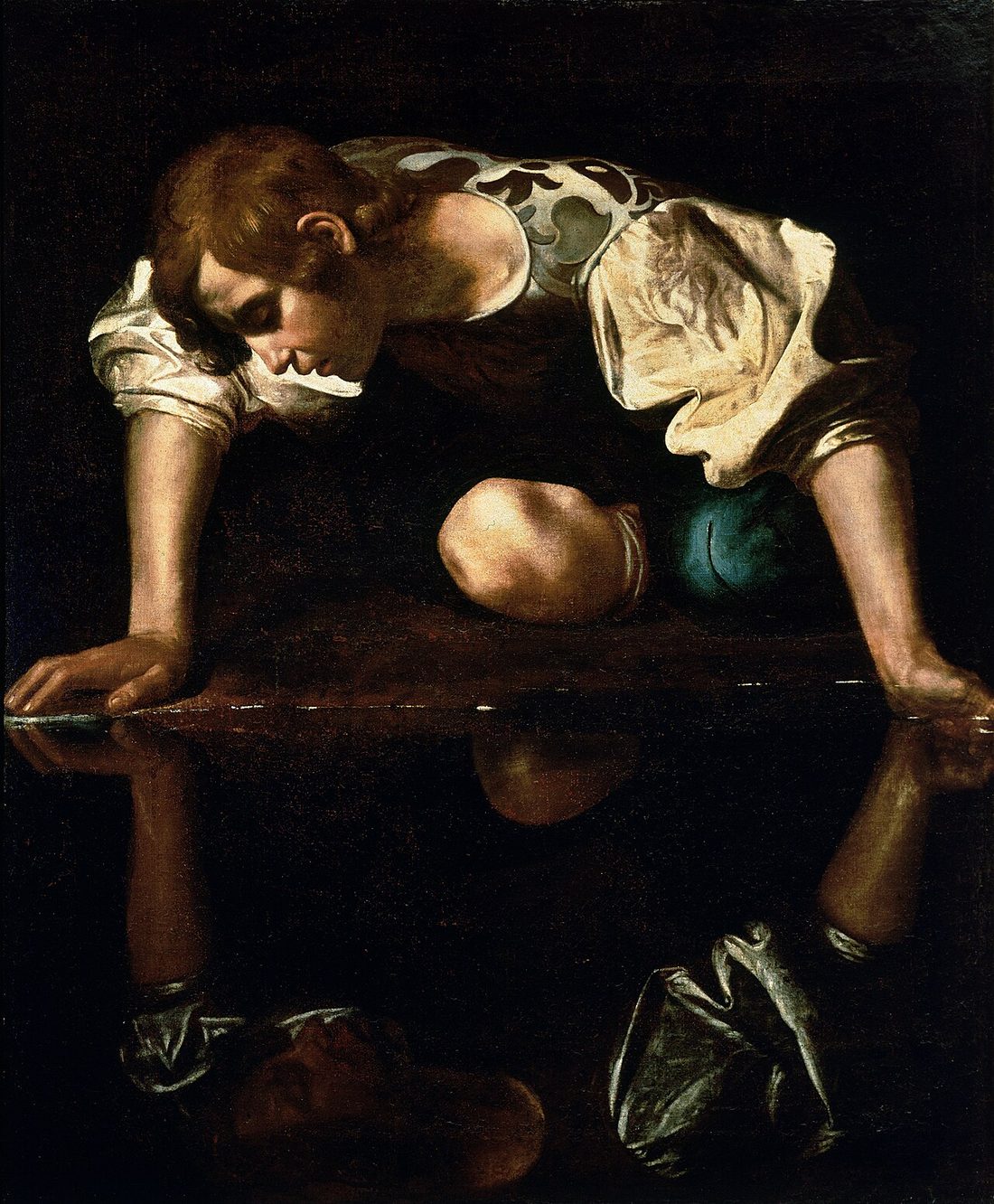
No. 30 · Ⅴ
Caravaggio — Narcissus
c. 1597–1599 · Galleria Nazionale d’Arte Antica, Palazzo Barberini, Rome
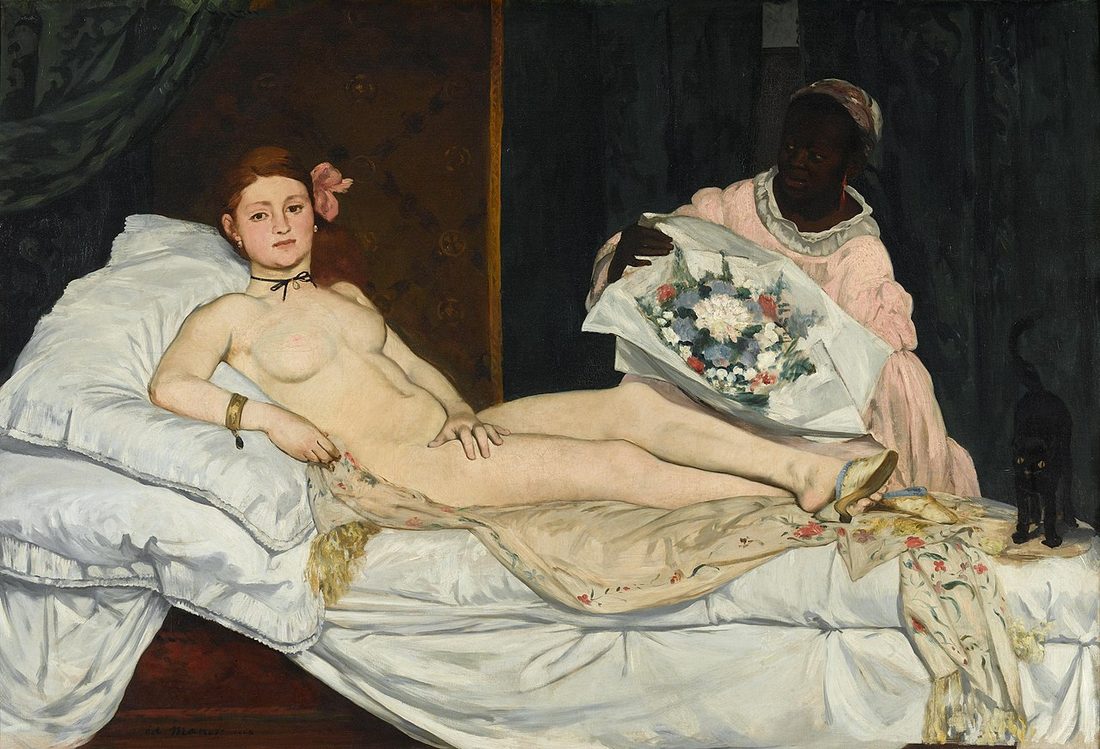
No. 31 · Ⅴ
Édouard Manet — Olympia
1863 · Musée d’Orsay, Paris
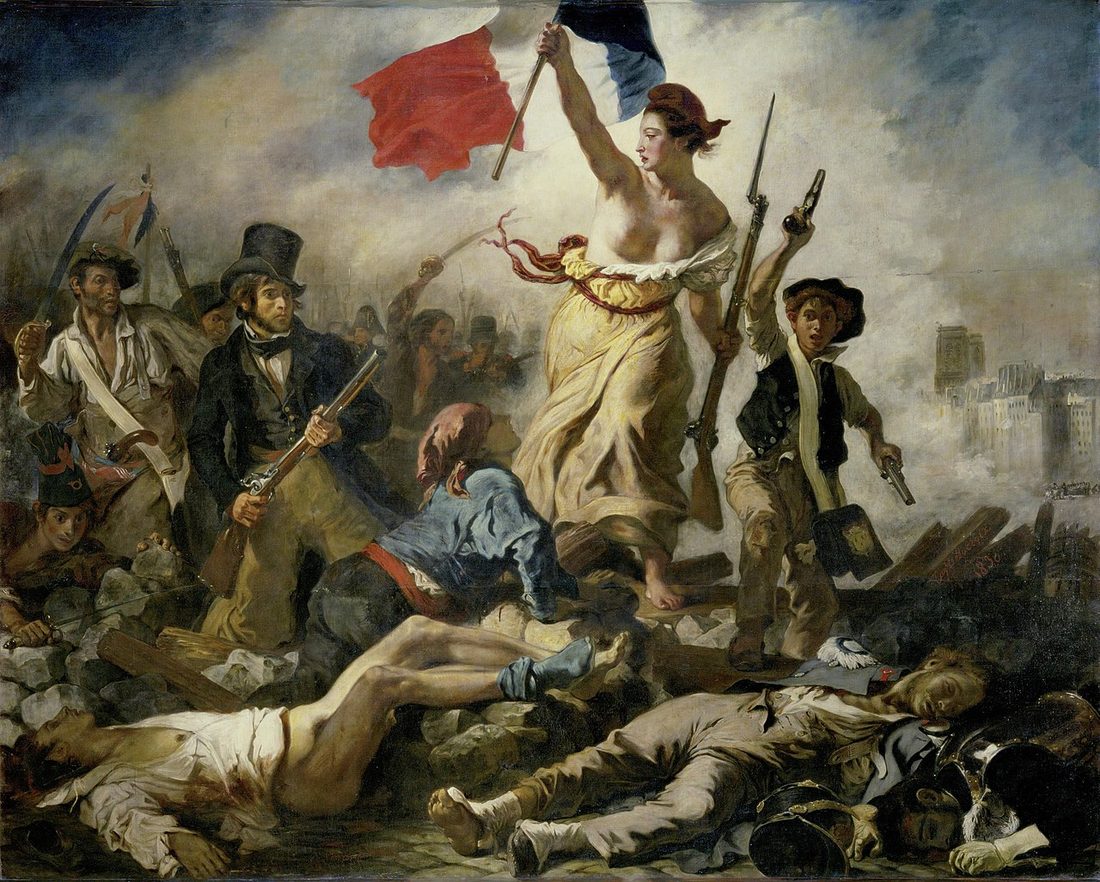
No. 32 · Ⅴ
Eugène Delacroix — Liberty Leading the People
1830 · Musée du Louvre, Paris
ⅥThose Who Saw Visions
33–38 · 6 essays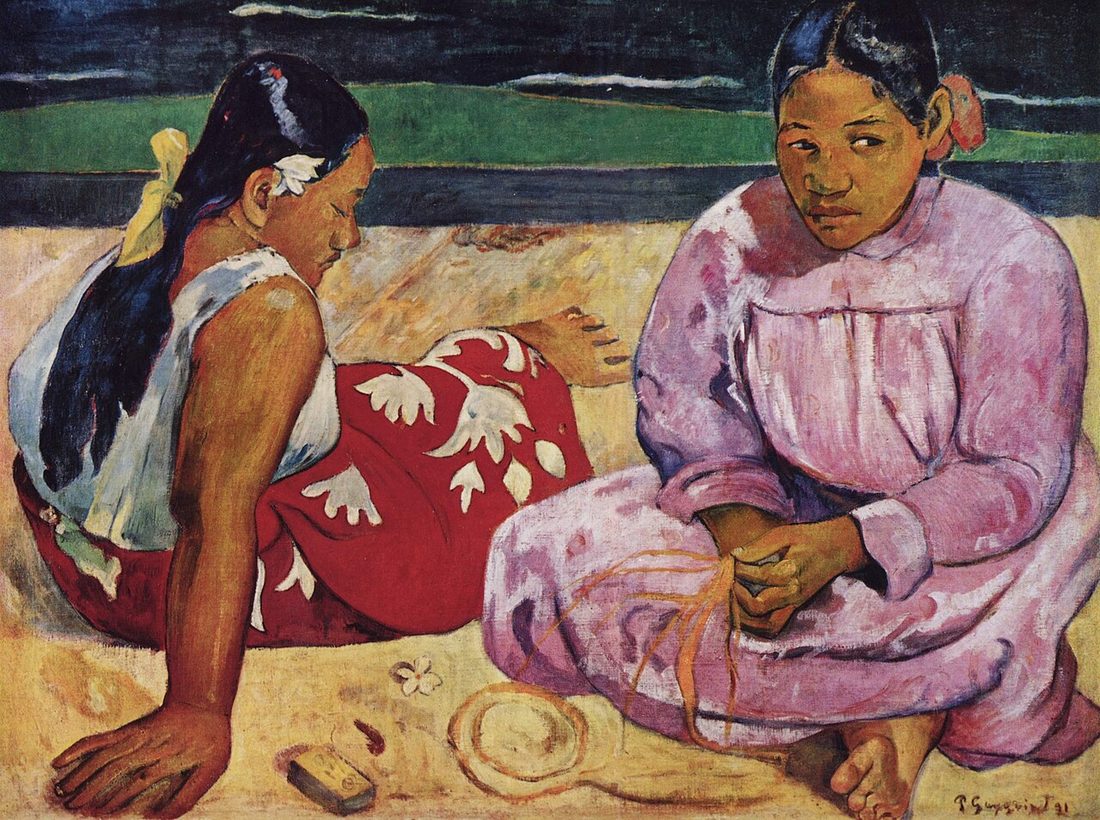
No. 33 · Ⅵ
Paul Gauguin — Tahitian Women on the Beach
1891 · Musée d’Orsay, Paris
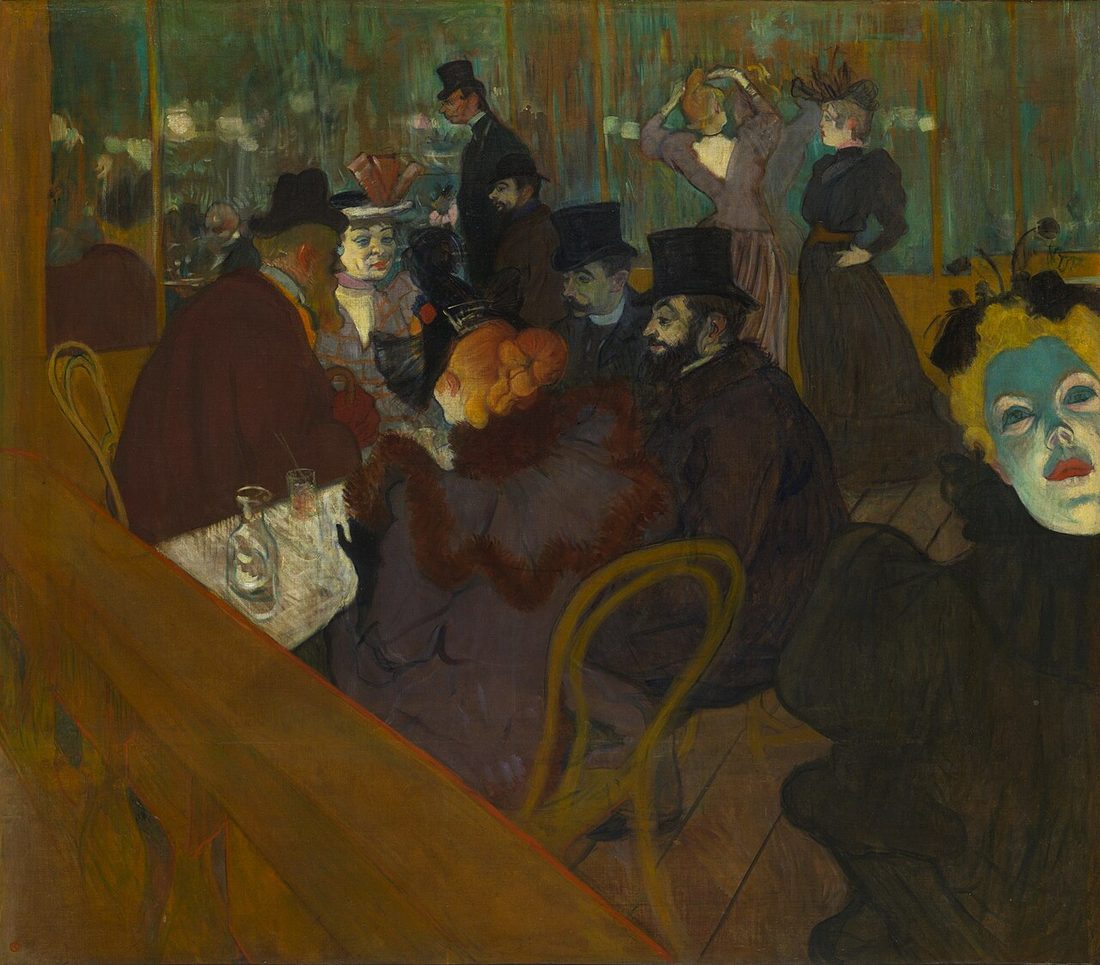
No. 34 · Ⅵ
Henri de Toulouse-Lautrec — At the Moulin Rouge
1892–1895 · Art Institute of Chicago
No. 35 · Ⅵ
Marc Chagall — I and the Village
1911 · The Museum of Modern Art, New York
No. 36 · Ⅵ
Jackson Pollock — Number 1A, 1948
1948 · The Museum of Modern Art, New York
No. 37 · Ⅵ
Mark Rothko — Black on Maroon
1958 · Tate, London
No. 38 · Ⅵ
Giorgio de Chirico — Mystery and Melancholy of a Street
1914 · Private collection
ⅦThose of Today
39–49 · 11 essaysNo. 39 · Ⅶ
Marcel Duchamp — Fountain
1917
No. 40 · Ⅶ
Barnett Newman — Vir Heroicus Sublimis
1950–1951 · The Museum of Modern Art, New York
No. 41 · Ⅶ
Andy Warhol — Marilyn Diptych
1962 · Tate, London
No. 42 · Ⅶ
Jean-Michel Basquiat — Untitled
1982 · Private collection
No. 43 · Ⅶ
Yayoi Kusama — Pumpkin
No. 44 · Ⅶ
Gerhard Richter — Abstract Painting
No. 45 · Ⅶ
Anselm Kiefer — The Land
No. 46 · Ⅶ
Olafur Eliasson — The Weather Project
2003 · Turbine Hall, Tate Modern, London
No. 47 · Ⅶ
Ai Weiwei — Dropping a Han Dynasty Urn
1995
No. 48 · Ⅶ
David Hockney — A Bigger Splash
1967 · Tate, London
No. 49 · Ⅶ
Jeff Koons — Balloon Dog
1994–2000