The Byun Shi-Ji Atlas / Reading
READING · Five essays
Reading Byun Shi-Ji's Paintings
A painter passed through many placesand arrived at his own painting.
The color of dried grass, the bent line,and the space left open around them.
In five essayswe meet the paintings of Byun Shi-Ji.
Text, planning and editing · Byun Joung Hoon
These essays do not try to pass on a great deal of knowledge at once. Their aim is that, after reading, the painting you saw a moment ago looks different.
-
1
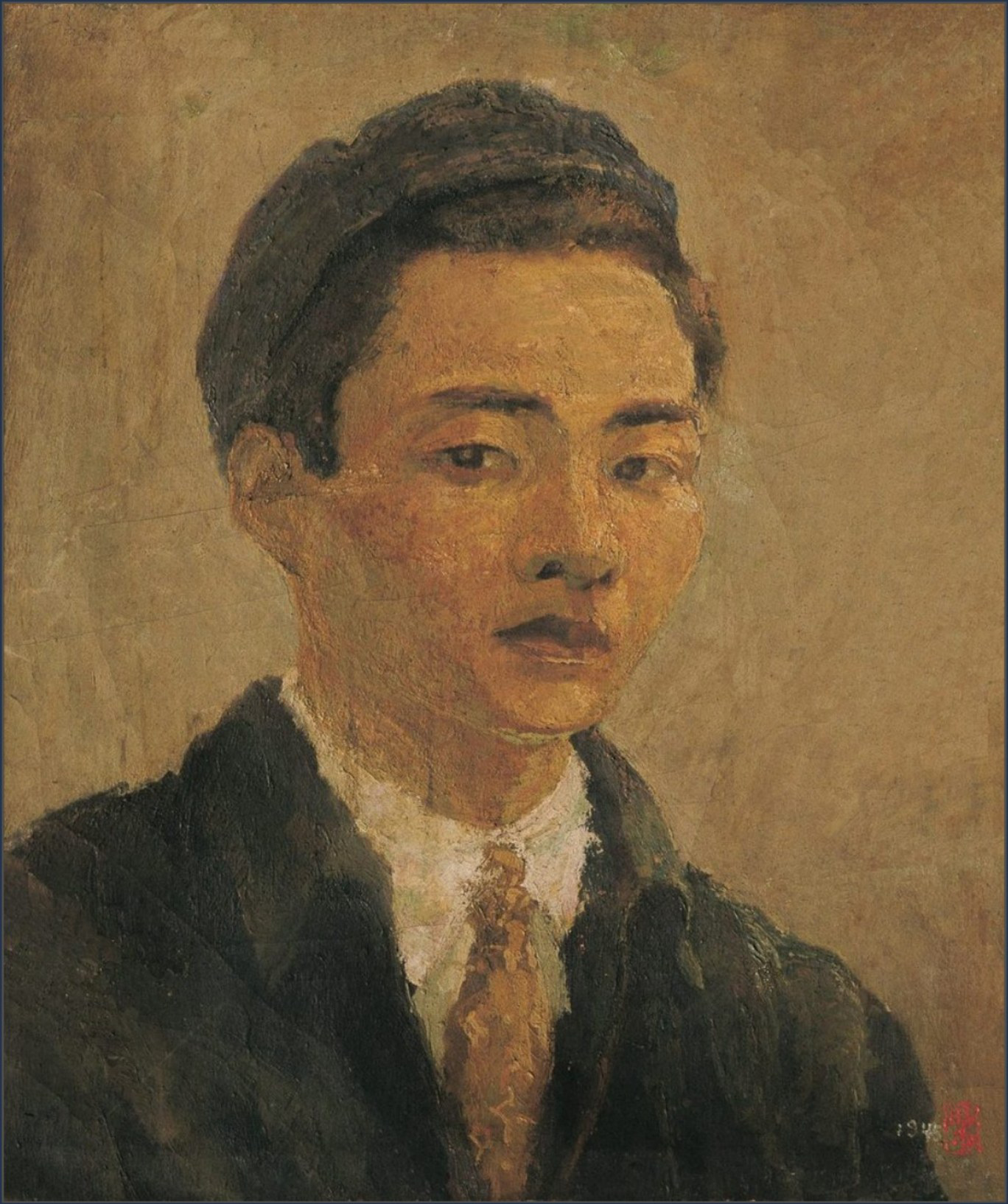 The Road to His Own Painting
Through Japan and Seoul to Jeju
How did a painter who worked in fine detail come to leave only a few lines?
Self-Portrait · 1944
The Road to His Own Painting
Through Japan and Seoul to Jeju
How did a painter who worked in fine detail come to leave only a few lines?
Self-Portrait · 1944
-
2
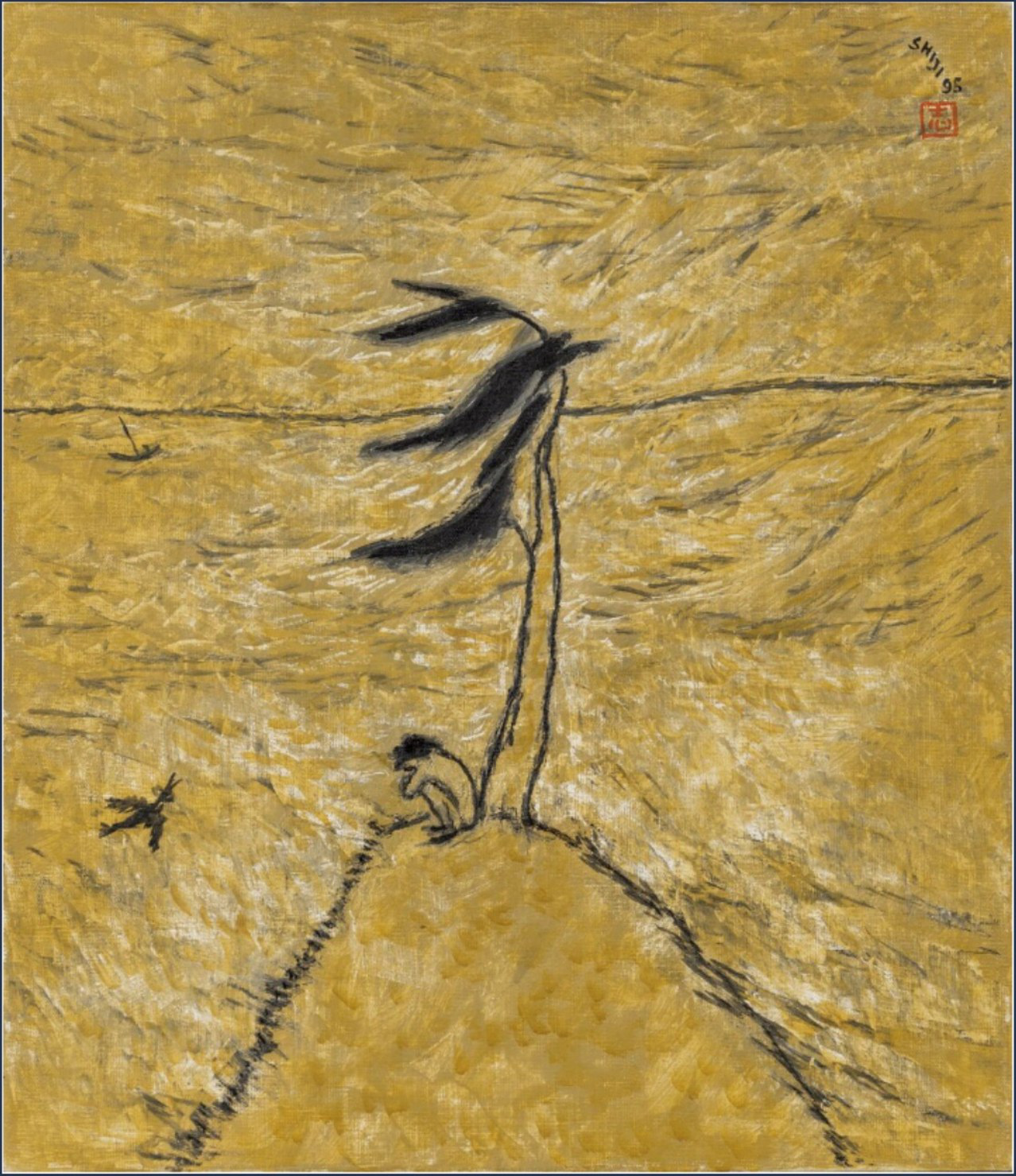 The Color of Dried Grass
The color that binds the sky and the sea
Why are the sky, the sea, and the land all within one color?
Solitude · 1995
The Color of Dried Grass
The color that binds the sky and the sea
Why are the sky, the sea, and the land all within one color?
Solitude · 1995
-
3
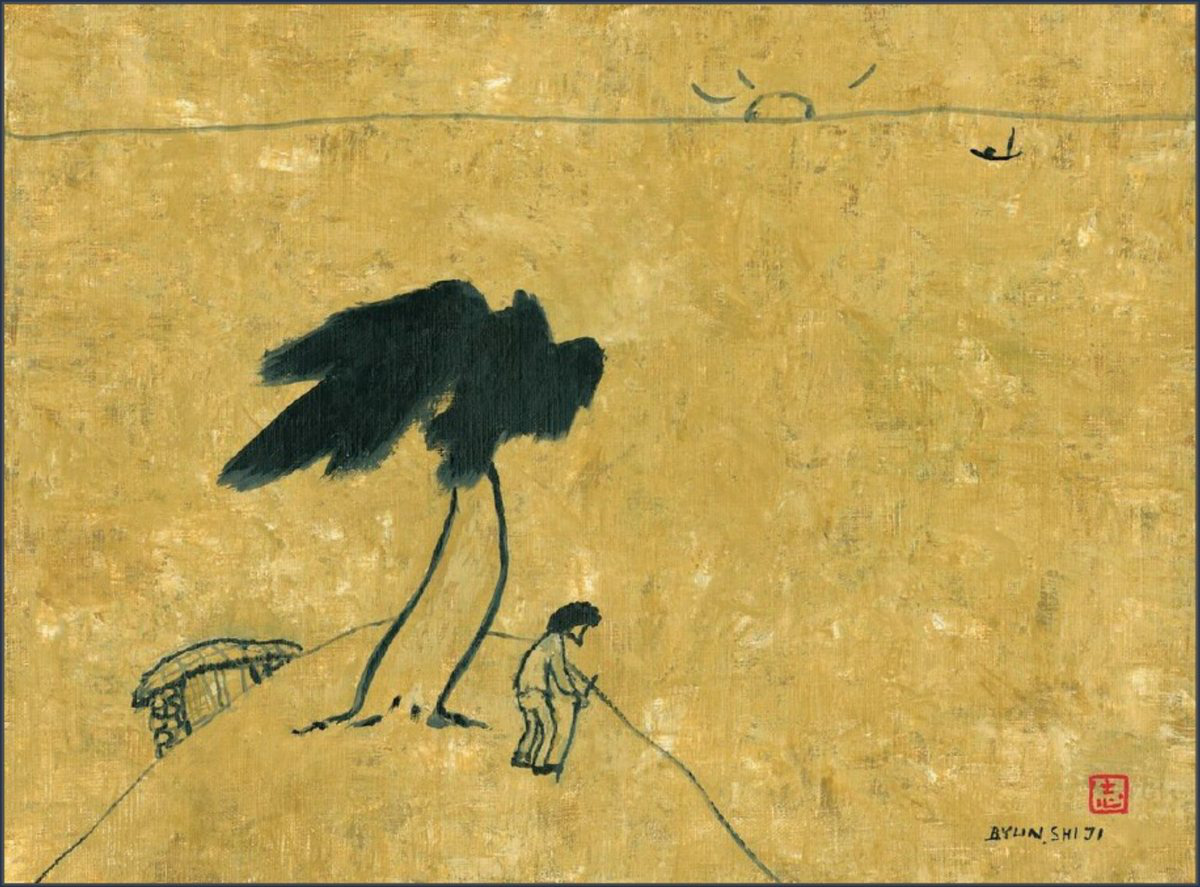 The Bent Line
The shape of a body that has met the wind
Why do the lines of people and trees lean?
The Old Pine and the Old Man · 1987
The Bent Line
The shape of a body that has met the wind
Why do the lines of people and trees lean?
The Old Pine and the Old Man · 1987
-
4
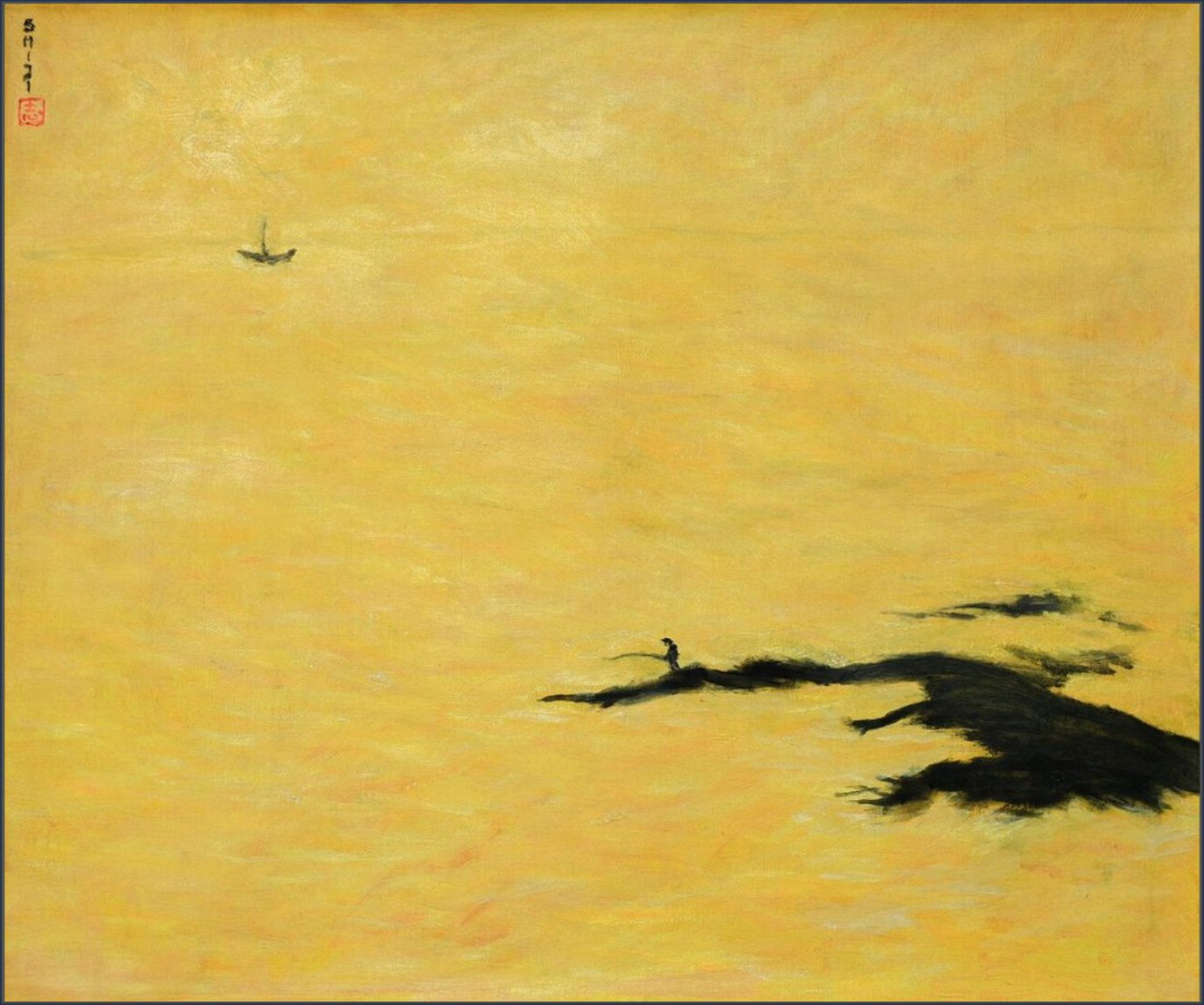 The Space Left Open
Why a painting with little in it stays long
How does one small boat make the sea wide?
The Sea of Jeju · 2011
The Space Left Open
Why a painting with little in it stays long
How does one small boat make the sea wide?
The Sea of Jeju · 2011
-
5
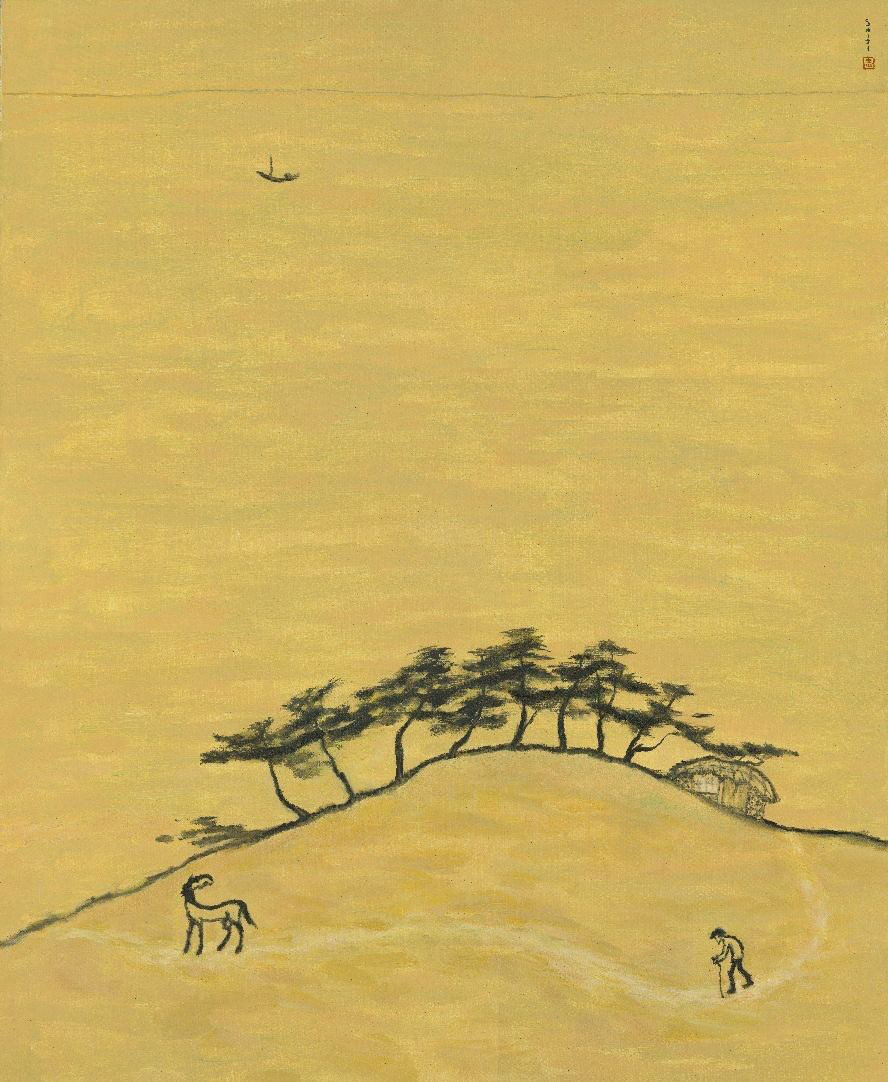 From Jeju to the World
Paintings begun on one island, reaching into different lives
What do these paintings hand to someone who knows nothing of Jeju?
Going On as It Is · 2006
From Jeju to the World
Paintings begun on one island, reaching into different lives
What do these paintings hand to someone who knows nothing of Jeju?
Going On as It Is · 2006
Read in order, the essays move from the painter's life, through the features of his painting, to the experience of other viewers. Each one can also be read on its own.