Rite to the Sea God
The prayer goes to the deity, while the heart goes to the boat. A single rite binds those who leave and those who remain.
Early Jeju, 1975–1979
Return at fifty, blue Jeju, horses and boats, labour and absence.
Chronological coordinates
- 1976Rite to the Sea God was created and registered in the official archive.
- REVIEWEarly Jeju, 1975–1979 · Return at fifty, blue Jeju, horses and boats, labour and absence.
Related oral history
- Session 5Experiments Toward the Jeju Style
- Session 6Jeju’s Primal Landscape and Folklore
- Session 7Dried-Grass Colour · Technique · Imagined Landscape
Research paths
- RESEARCHOral-History CommentaryOpen source →
- RESEARCHPainter and FūdoOpen source →
- RESEARCHA Century of WindOpen source →
Evidence and interpretation
| Grade | Claim | Basis |
|---|---|---|
| A | 1976 · Rite to the Sea God | Title, year and image in the official 100 Works archive. |
| B | Visible form and recurring motifs | Direct comparison of image, artwork text and related works. |
| B | Early Jeju, 1975–1979 | Formal comparison within the reviewed chronological group. |
| C | Links to life, testimony and research | Curatorial relations proposed for research navigation. |
Works to view together
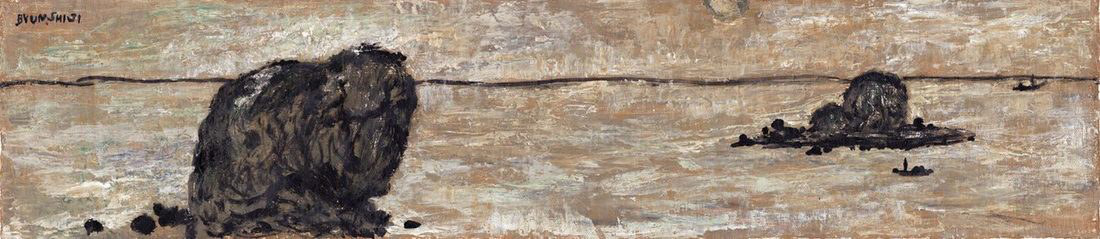
Brother Islands
Fūdo is not a background. It is a condition.
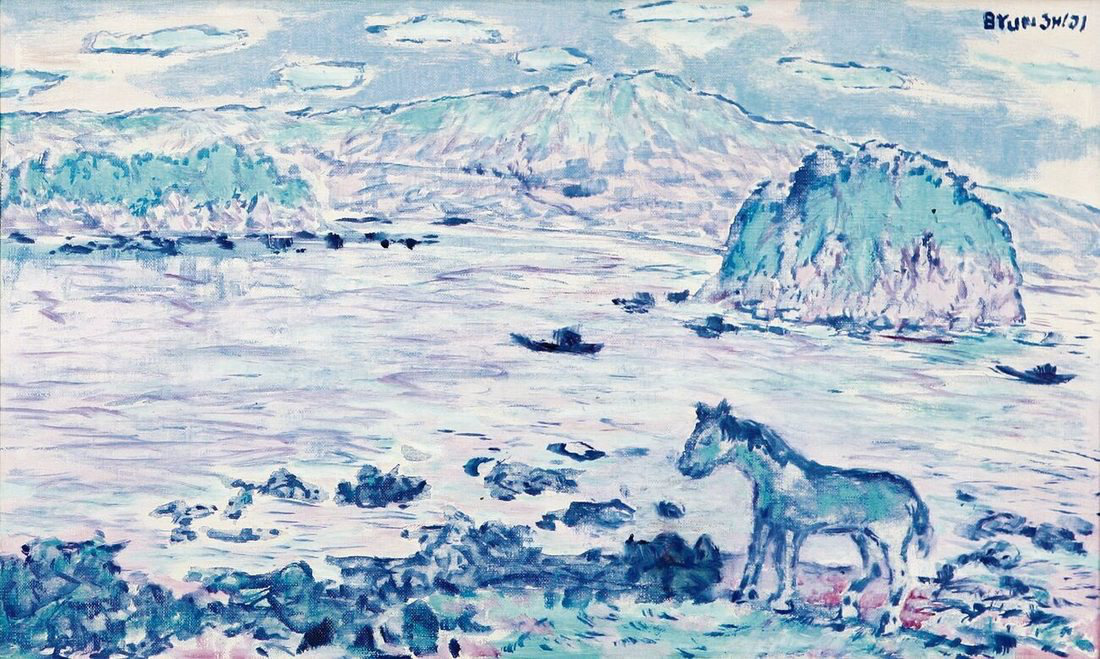
Jeju
Before every colour settled into dried-grass colour, the painter looked for a long time at the place to which he had returned.
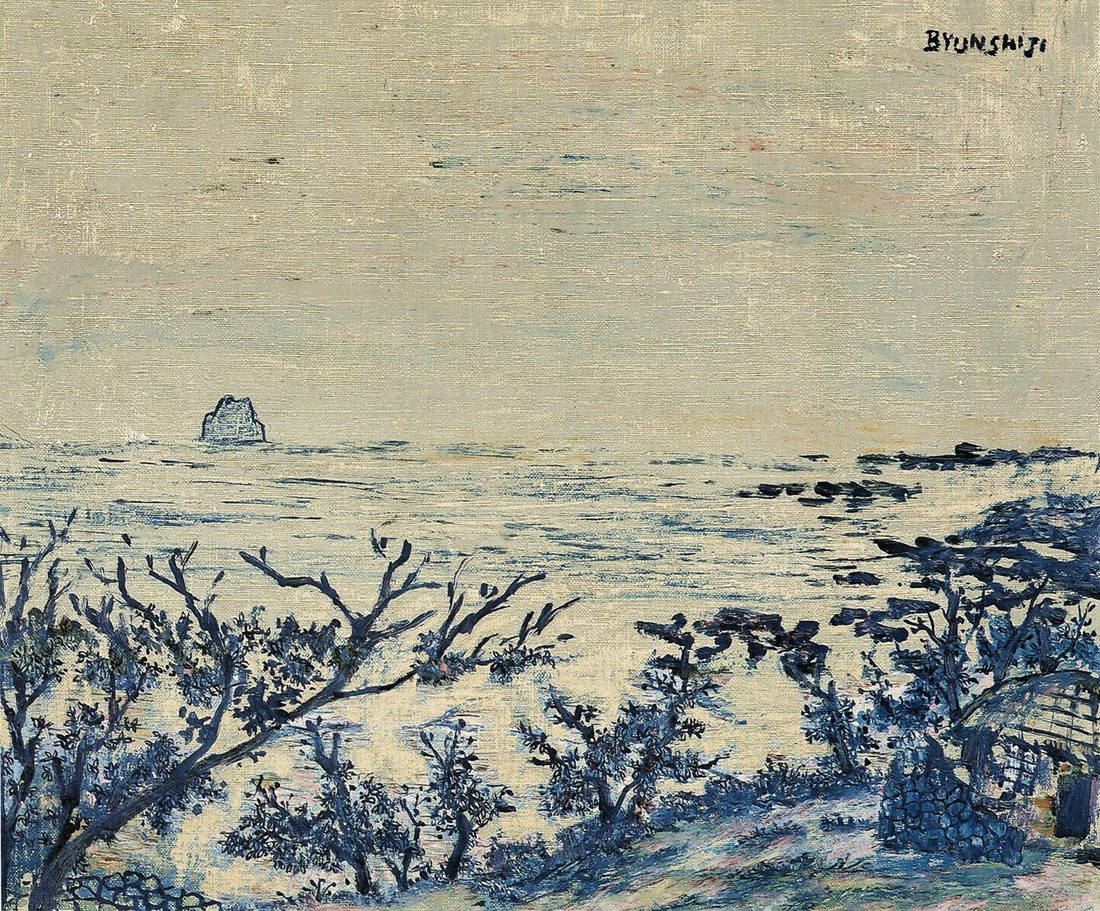
Ieodo
Fūdo is not a view observed from afar, but a condition entered bodily, where one receives the same wind and cools within it.
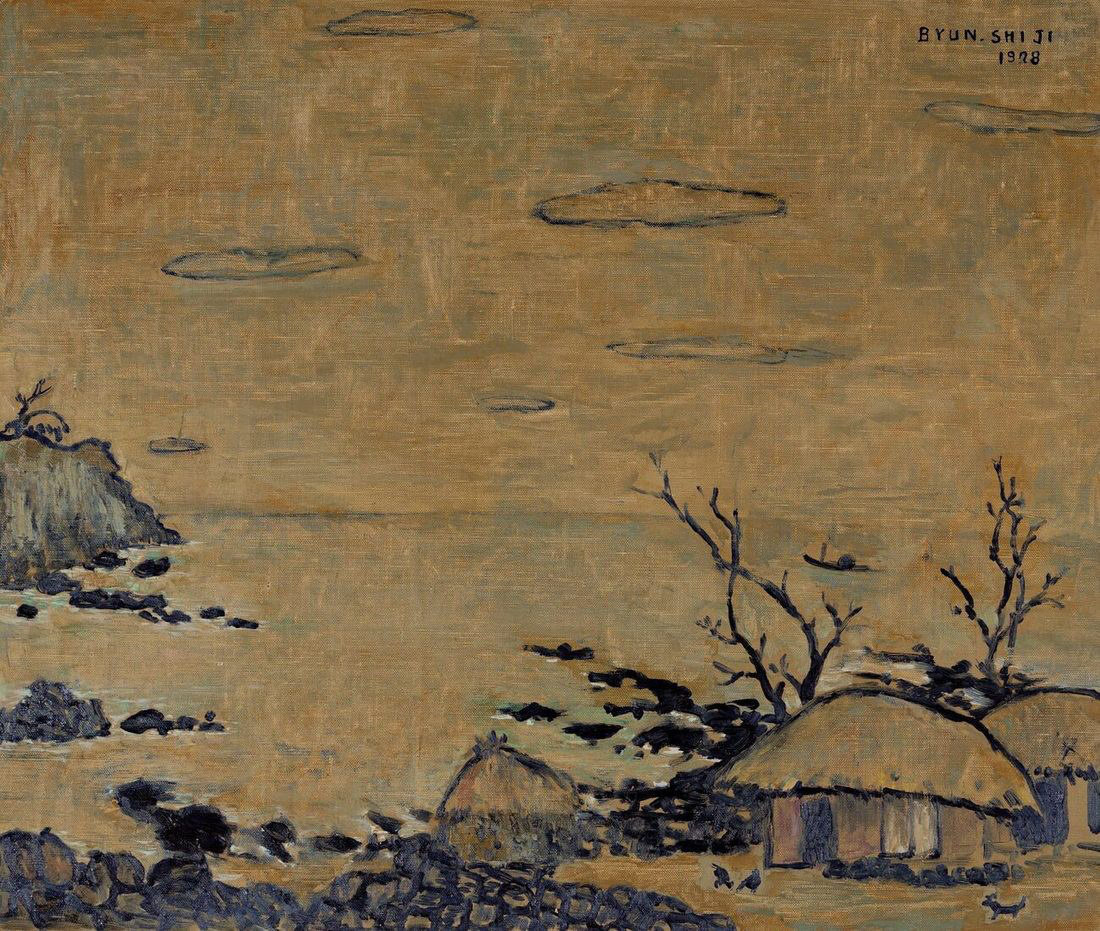
Sea Village
A sea village is where sea and land divide the work of sustaining life.
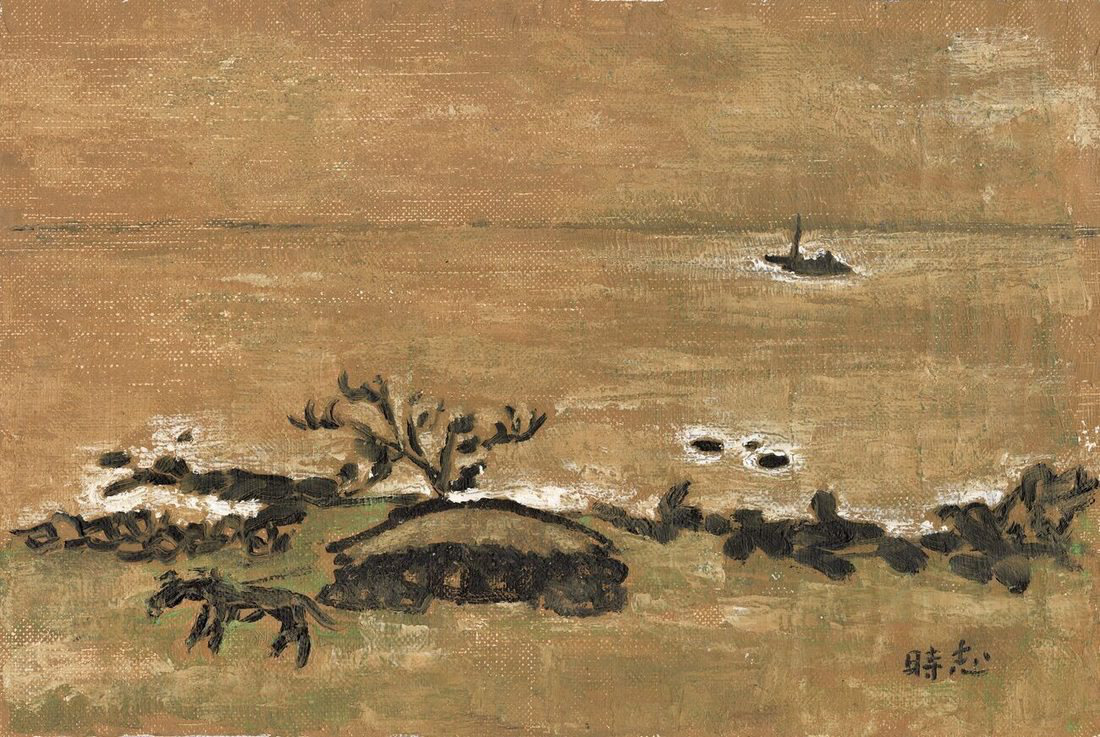
The Returning Boat
To return is not to restore the time before departure, but to understand at last the meaning of the place left behind.
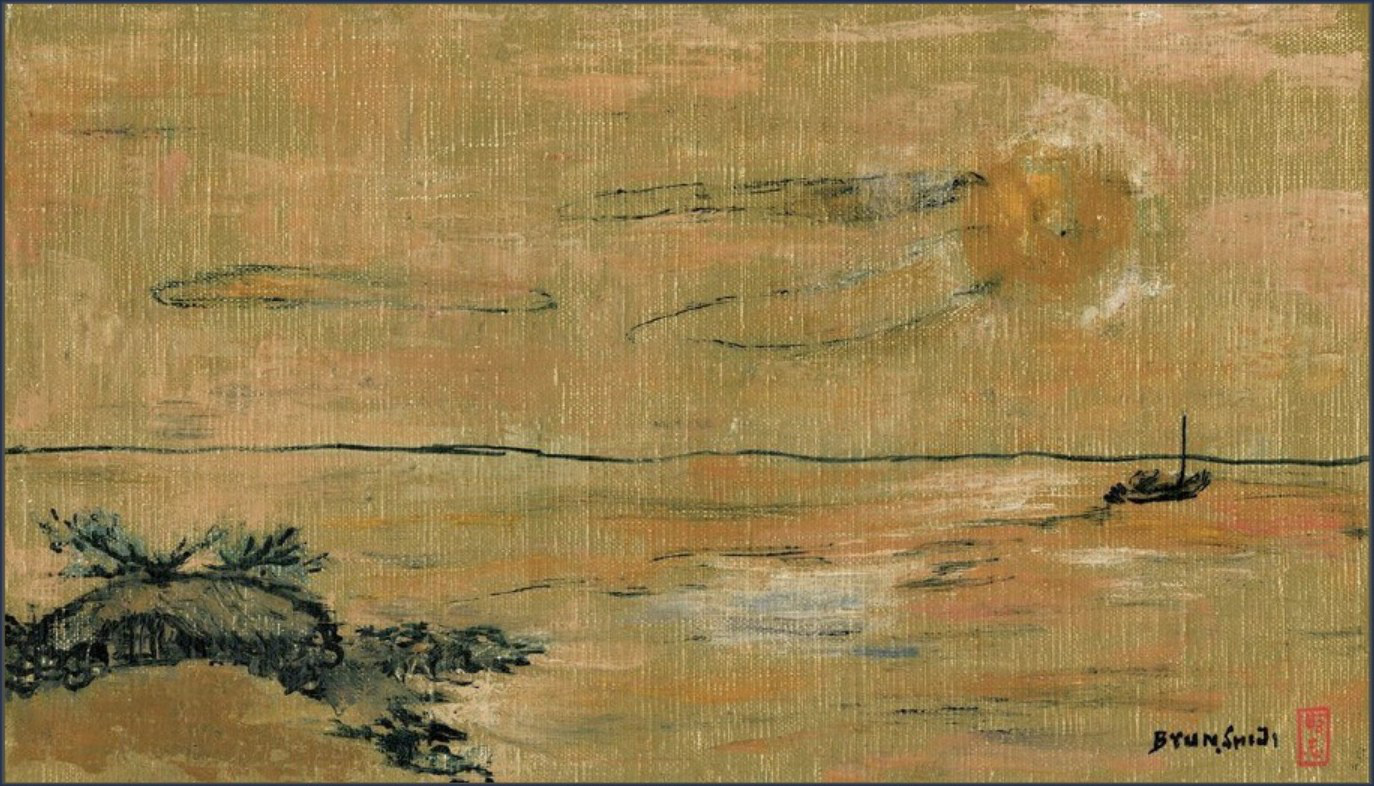
The Departing Boat
Painting may not be holding something fast, but quietly allowing what will disappear to depart.