CENTRAL READING
Ieodo
Fūdo is not a view observed from afar, but a condition entered bodily, where one receives the same wind and cools within it.
PERIOD & MOTIFS
Early Jeju, 1975–1979
Return at fifty, blue Jeju, horses and boats, labour and absence.
seawindfūdo
LIFE & TIME
Chronological coordinates
- 1978Ieodo was created and registered in the official archive.
- REVIEWEarly Jeju, 1975–1979 · Return at fifty, blue Jeju, horses and boats, labour and absence.
THE PAINTER’S VOICE
Related oral history
- Session 5Journey to Jeju and the Formation of the Jeju Style
- Session 6Jeju’s Primal Landscape and Folklore
- Session 7Dried-Grass Colour and Imagined Landscape
RESEARCH
Research paths
- RESEARCHPainter and FūdoOpen source →
- RESEARCHA Century of WindOpen source →
- RESEARCHOral-History CommentaryOpen source →
EVIDENCE
Evidence and interpretation
| Grade | Claim | Basis |
|---|---|---|
| A | 1978 · Ieodo | Title, year and image in the official 100 Works archive. |
| B | Visible form and recurring motifs | Direct comparison of image, artwork text and related works. |
| B | Early Jeju, 1975–1979 | Formal comparison within the reviewed chronological group. |
| C | Links to life, testimony and research | Curatorial relations proposed for research navigation. |
Related Works
Works to view together
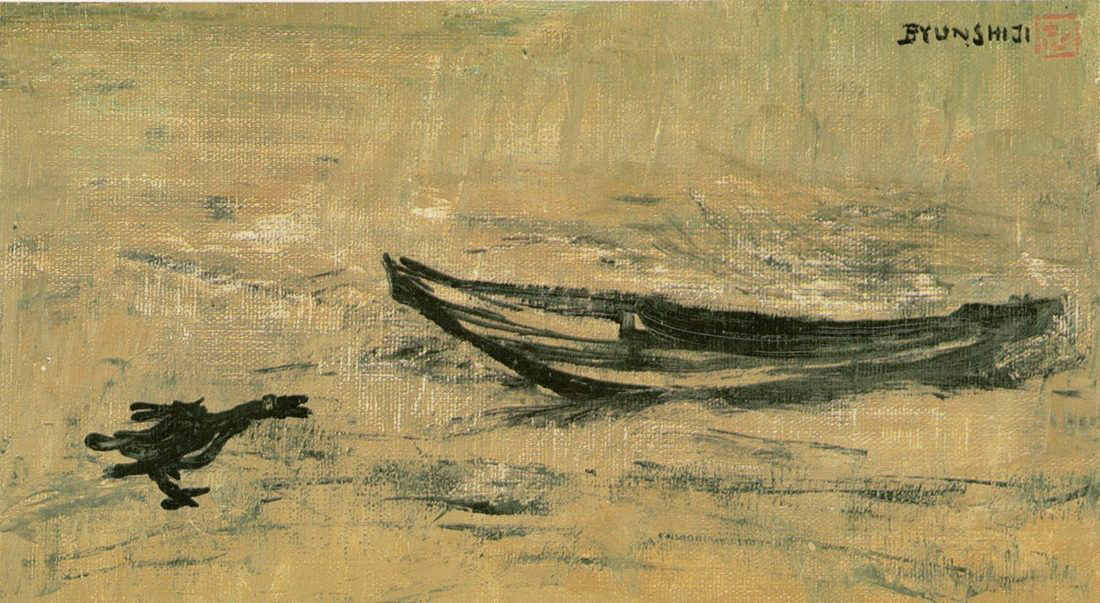
FŪDO 063 · 1980
Ieodo
The empty boat remembers those who could not return; Ieodo remembers the names that could never be called.
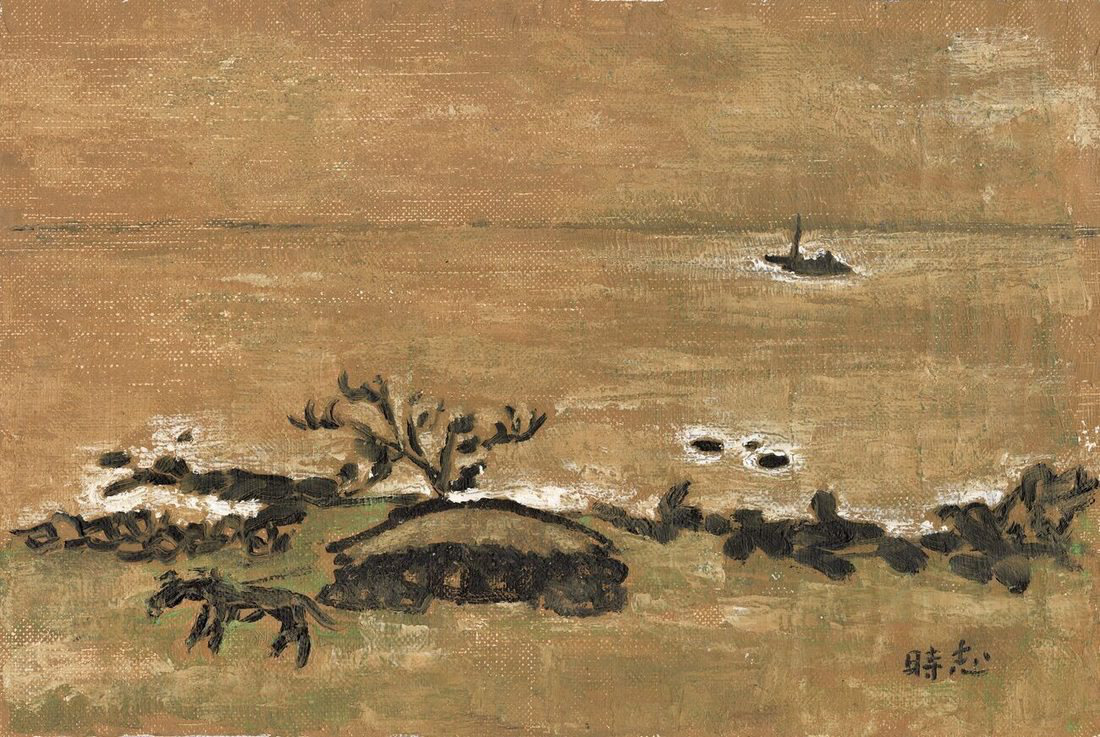
FŪDO 077 · 1978
The Returning Boat
To return is not to restore the time before departure, but to understand at last the meaning of the place left behind.
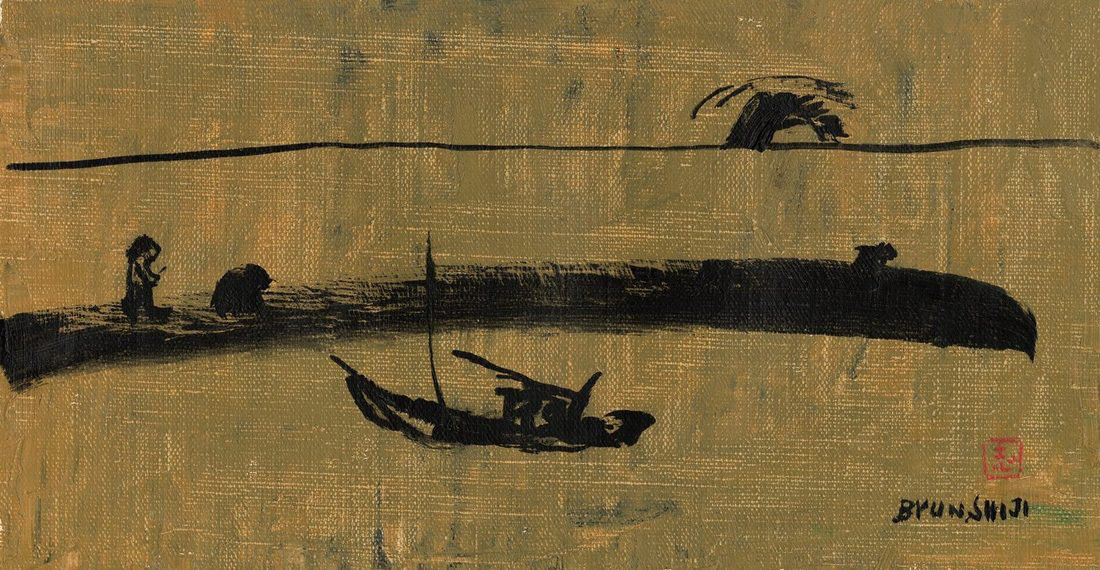
FŪDO 078 · 1979
The Jetty
An empty boat has reached the jetty, but the person has not returned. Arrival and absence occupy the same scene.
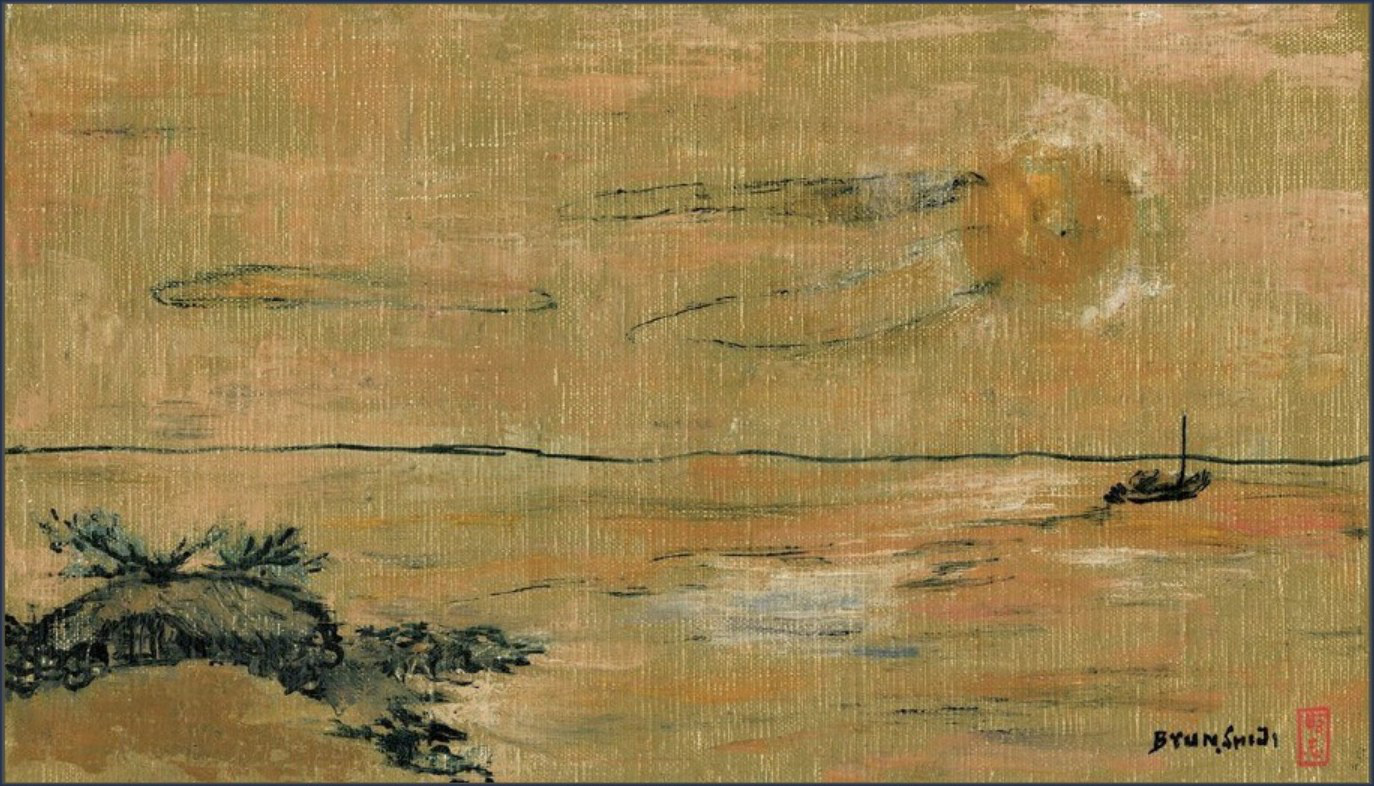
FŪDO 075 · 1979
The Departing Boat
Painting may not be holding something fast, but quietly allowing what will disappear to depart.
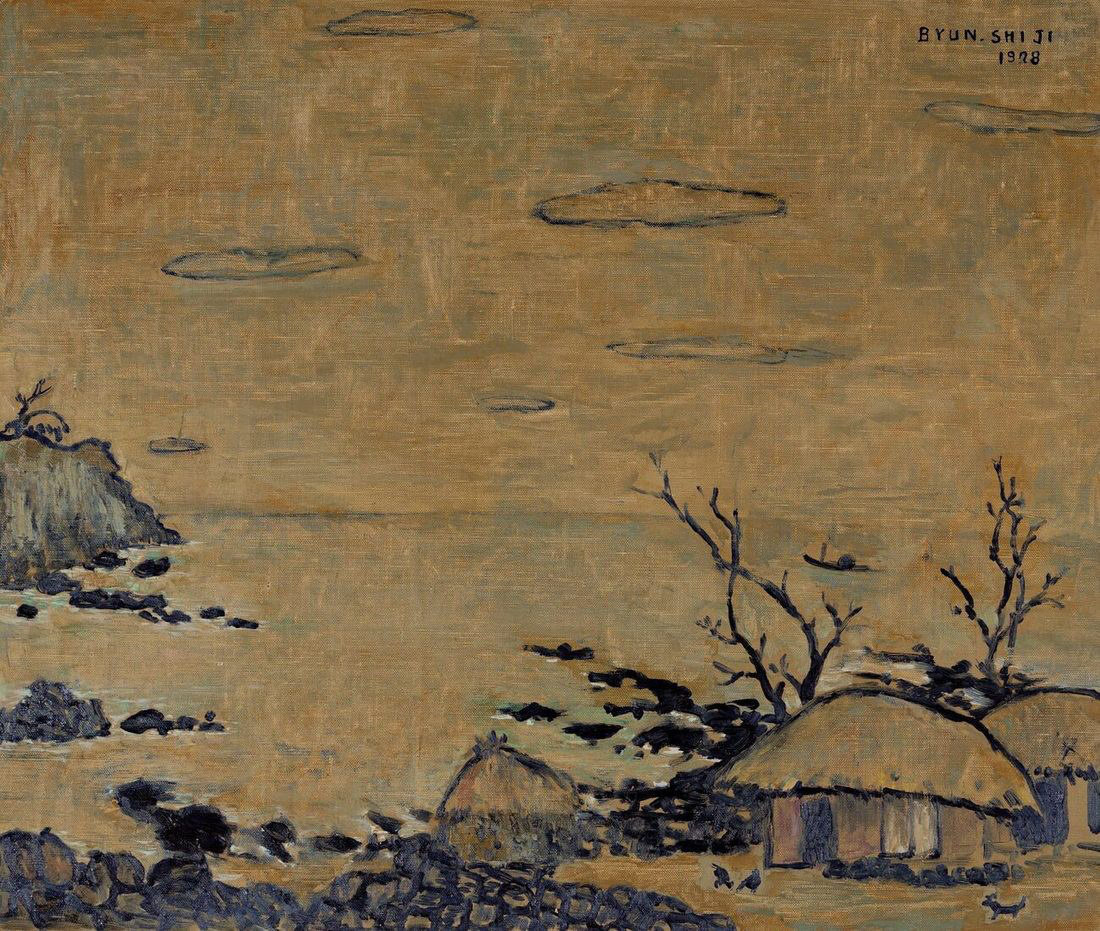
FŪDO 045 · 1978
Sea Village
A sea village is where sea and land divide the work of sustaining life.
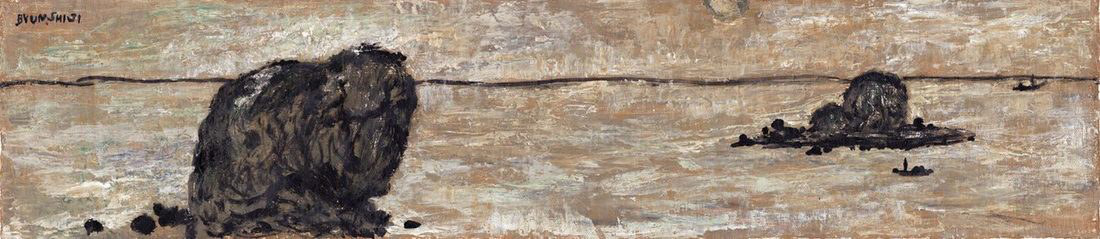
FŪDO 004 · 1977
Brother Islands
Fūdo is not a background. It is a condition.