Research/A Hundred Years of Wind/Ⅴ Life & Place
Ⅴ Life & Place · 65 / 100
Gidang Museum of Art
From One Painter’s Memory to a Place for Shared Looking
기당미술관
A Museum Not Explained by One Name Alone
Gidang Museum of Art opened in Seogwipo in 1987. Kang Gu-beom’s provision and donation of the building and Byun’s participation as honorary director need to be remembered together. Byun’s importance to its exhibitions does not make the whole institution a private museum built by one painter for himself.
This distinction does not diminish the painter’s role. It shows that providing a building, assembling works within it and operating a place people can enter pass through different hands. A museum is also where one person’s intention becomes the work of many.
Reading Byun’s paintings there belongs within this shared history. The relation does not end with painter and fūdo. The city receiving the works, those contributing other works, the people caring for exhibitions and the viewers all continue it.
A Student Reluctant to Name Home
Explaining what led him to think about a museum, Byun recalled a student. A student from Jeju whom he met in Seoul hesitated when asked where home was. On hearing that Byun too was from Jeju, the student responded with pleasure. A small, particular encounter stands at the beginning of an account of a larger institution.
This memory is not evidence that Jeju then had no culture. In the testimony, Byun himself qualifies his words: he does not mean that the place lacked a culture of its own. The issue can be read as the gaze that devalued existing lives and the unequal opportunity to encounter new cultural institutions.
In this sense, a museum is more than a source of pride to display elsewhere. It can help create conditions in which someone need not lower their voice when naming home. Bringing paintings close becomes a matter of how people understand themselves.
A Postcard Asking for a Painting
Byun recalled sending postcards to painters in Seoul to request donations after the museum had been established. Works did not immediately arrive as he had hoped. He said he then approached artists individually. A collection did not emerge through a declaration alone.
A postcard contains a request and a wait. Relations developed before a canvas continue in conversations with other painters. This work resembles caring for one’s own paintings, yet is different: it makes room for other people’s work.
Gidang’s story therefore need not close around the legacy of a single painter. The effort to place other paintings beside one’s own is also part of that history. When names appear alongside one another, viewers encounter differences between works as well as one artist’s world.
From Ownership to Conditions of Encounter
Donation changes where an object belongs. Public value is not, however, completed at the moment of transfer. Its meaning continues to grow when a work is cared for, its history recorded and access made possible for different viewers. Receiving is followed by tending.
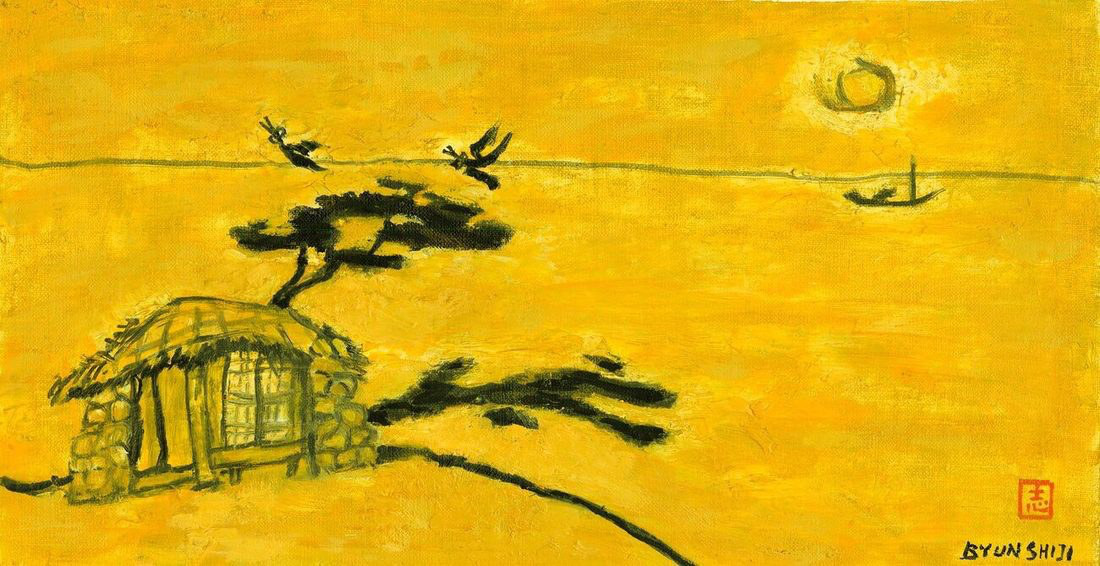
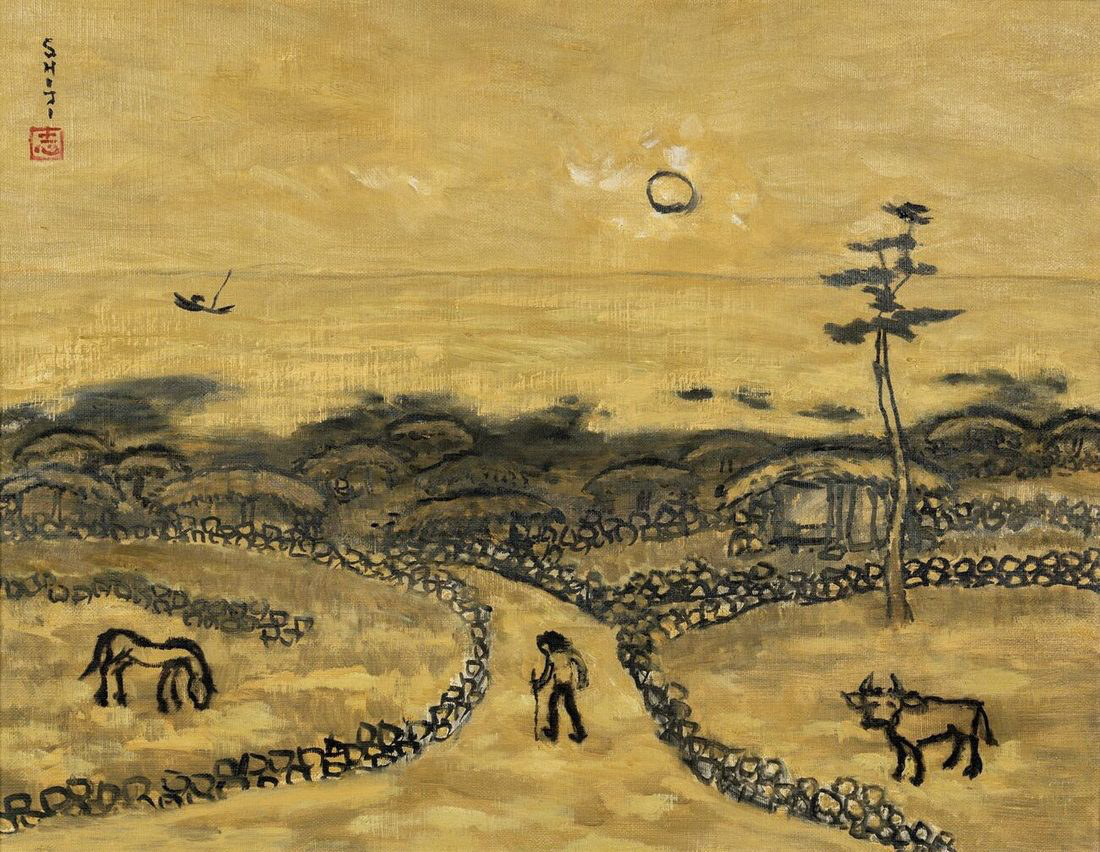
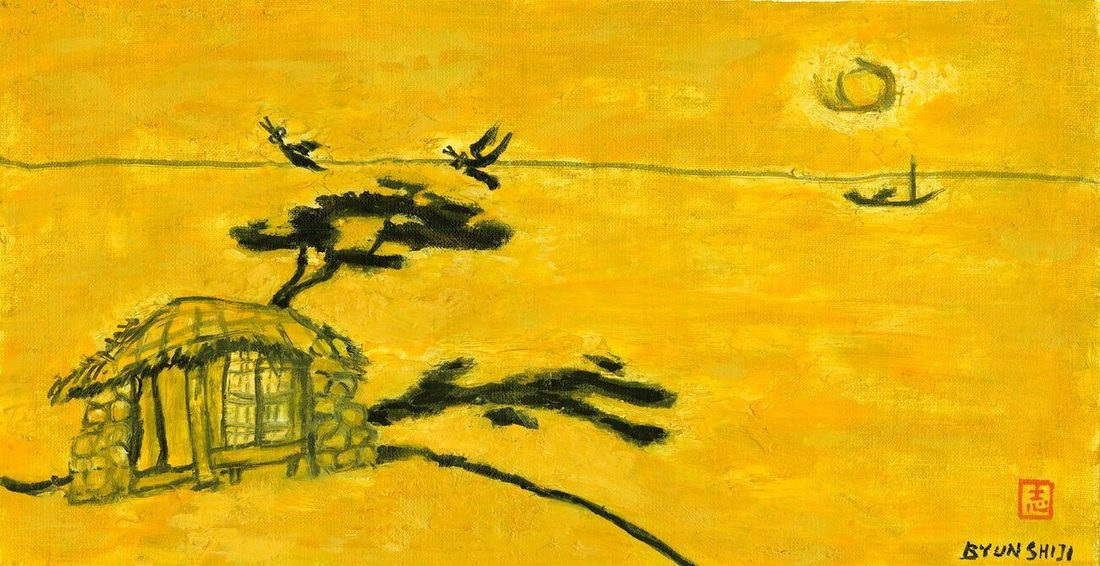
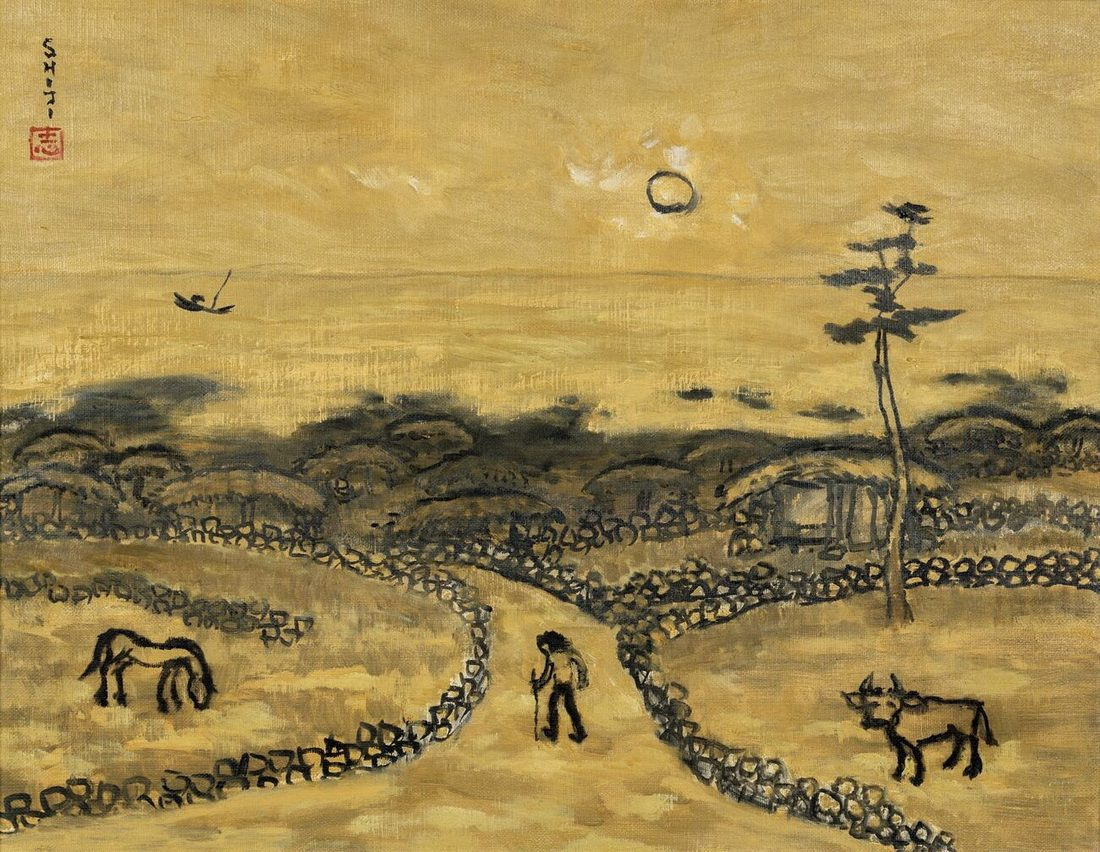
Seeing a painting such as Empty House in Jeju may bring memories of the surrounding landscape into the encounter. In a distant city, other memories and questions may arise. No single location need be declared the only one in which a work speaks properly. Place assists interpretation without monopolising it.
The museum’s task is closer to establishing conditions of encounter than transmitting a prescribed emotion. Viewers need distance to see a whole work, a place to read its label and materials to which they can return for comparison. The better these conditions, the more differently a painting can open to different people.
The Painter’s Voice and Other Readings
The experience of a painter participating as honorary director is an important resource for a museum. Accounts of what was seen and how a work was made preserve information unavailable from the surface alone. Yet recollections also need to be read beside contemporary records and cannot replace every viewer’s response.
A label becomes more trustworthy when it distinguishes the painter’s words, documentary facts and curatorial interpretation. That distinction does not prevent dialogue. It makes clear where the same picture is being read differently. Respect for an artist and room for other readings can coexist.
The same applies to a reconstructed studio. The reconstruction described in the visit record for Gidang encourages reflection on work through surviving tools. Explaining their histories and how the display was assembled lets questions continue when the painter is no longer beside us.
Work That Remains After a Gift
Monet’s Water Lilies at the Orangerie offer another way to consider a gift together with its display space. According to the museum’s record, the works were installed in 1927, after his death, in accordance with the plan. Leaving paintings and providing an environment in which to encounter them are connected acts.
There is no need to classify the Orangerie and Gidang as the same type of institution. A space conceived for a particular cycle and a public museum collecting several artists’ work undertake different tasks. Their useful point of comparison is not the donor’s fame but the continuing need for care and interpretation after a gift.
The practical management of light, air and time on display is not an afterthought unrelated to the work’s sensory life. It helps make future encounters possible. Wind in a painting is no reason to expose the original to sea air. Preserving the sense of fūdo also includes the distance that protects the work.
Living in a Place
A local museum can be a place a traveller visits once and should also be a place to which nearby residents can return. Time can accumulate through seeing yesterday’s painting in another season or beside a newly encountered work. The value of a landmark is not identical to its value within everyday life.
Returning to the student’s hesitation in Byun’s account brings the museum’s social meaning closer. It concerns a home no longer explained only through someone else’s judgement. When people viewing local art can call it moving, unfamiliar or difficult in their own words, the locality ceases to be merely an object on display.
No single painter can complete this role. Later curators and later viewers must take it up. Leaving Byun’s work open to new questions need not mean altering a legacy out of existence. It can mean preserving it as a living relation.
After the Door Opens
To say that a museum completes a painter brings the work after opening too quickly to an end. A building is a beginning; works need continuing care, and interpretations may change with new evidence. A public place is closer to a recurring responsibility than to a completed declaration.
Kang Gu-beom’s gift, Byun’s participation and the work of contributing painters helped make a place. Other hands connect that place to present encounters. A place that remembers one person without being explained by that person alone: Gidang’s meaning can be read within this relation.
Someone steps back from a painting. Another person stands beside them. Between the two, the painting is seen again.