Research/A Hundred Years of Wind/Ⅷ Philosophy of Art
Ⅷ Philosophy of Art · 96 / 100
The Ethics of Looking
Seeing, Knowing, Looking Again
감상의 윤리
What Is Seen First
One person reads the title first.
Another finds the title after looking.
We do not yet know who has seen more deeply.
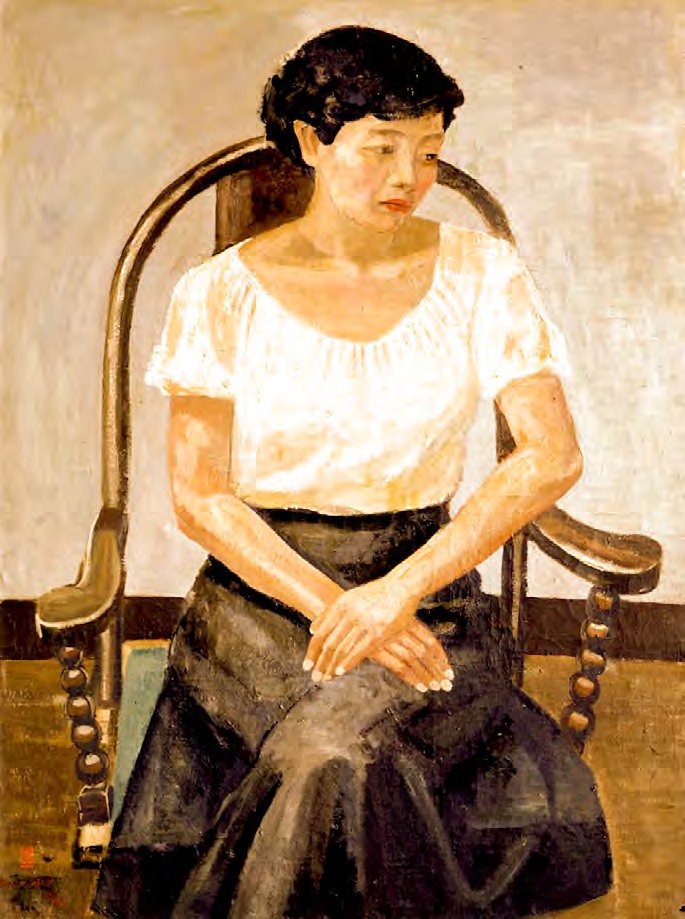
The two hands in Portrait of Nemo rest on a dark skirt.
Even someone who knows the title may have missed a finger.
An unfamiliar eye may stay there a long time.
Has knowing stopped us from looking further?
Has feeling made us think we have seen everything?
Both must be able to return to the painting.
Knowing and Savouring
“How to Appreciate Art” carries the subtitle “Knowing a Work and Savouring It”.
It acknowledges the value of learning through good books and reproductions.
It distinguishes that knowledge from directly felt pleasure.
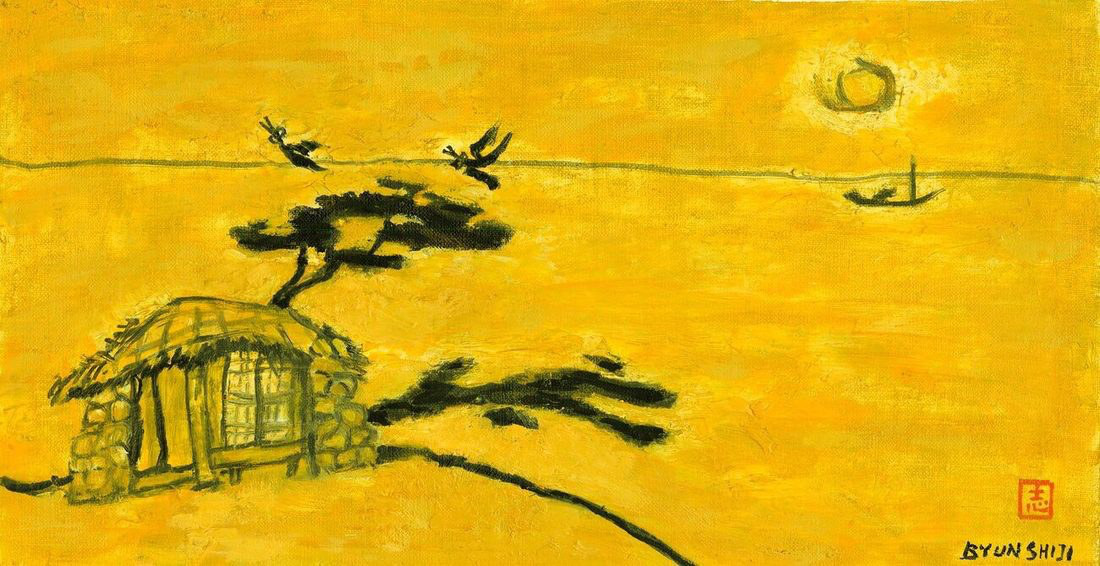
Knowing the date does not remove the need to look again at the distance to the boat.
Saying we were moved does not replace that distance either.
Attend both to what was learnt and to where feeling arose.
What we are reading is a transcription of manuscript pages.
Japanese text appears with a Korean subtitle.
Not every written sentence can be offered as a saying originated by the painter.
Even When It Recalls Home
The notes on Volkelt describe past experience and knowledge taking part in present perception.
Feeling does not require erasing the days already lived.
Memory can also open the eye.
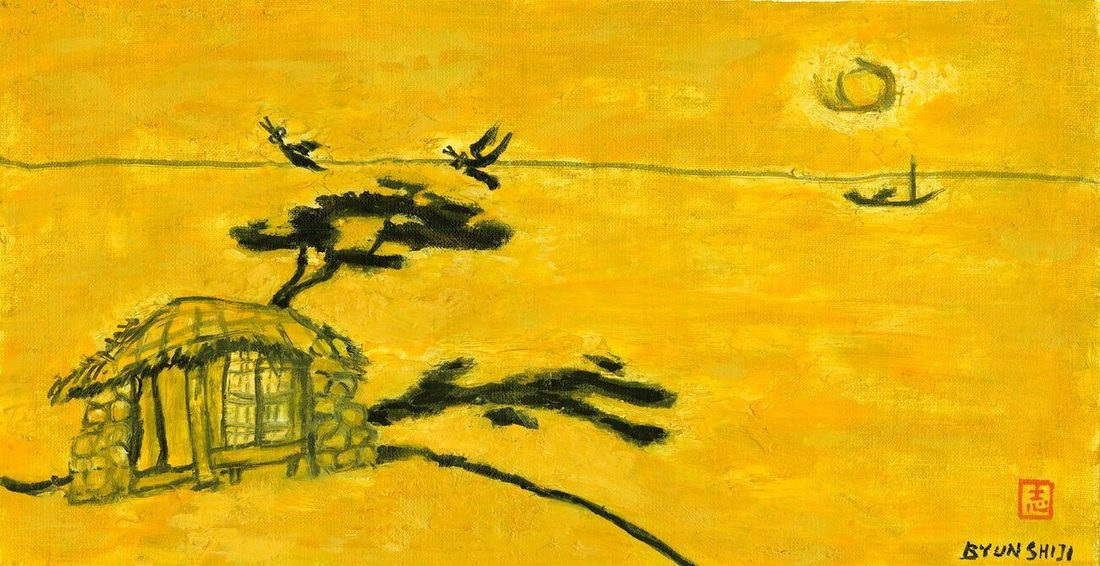
Empty House may recall one’s own home.
It may bring back someone long unseen.
Yet its door and roof are not exactly those of memory.
We do not know who is inside.
We look at the door without knowing.
We can approach the house without filling it with our own story.
Checking Beside Feeling
“It felt lonely” differs from “there was no person”.
The first records a response.
The second can be checked in the painting.
A better reproduction reveals a small form.
Different paintings with the same title become distinguishable.
Greater accuracy need not mean less feeling.
Do not stop after attaching words such as solitude or homecoming.
Return to the line that brought the word to mind.
Words that remain in touch with the painting can be followed by others.
Looking While Seated
Byun recalled how people occupied with earning a living had little leisure for art.
Not staying long need not mean lack of care.
Time to reach the painting is needed too.
A chair can help.
So can readable text and an image that can be enlarged.
A seated viewer, or one listening to an explanation, can still have an encounter of their own.
It is all right not to be moved at once.
It is all right to remember only one colour.
An invitation to look carefully is not a demand to produce sadness or comfort.
Writing Looks Back Too
“How to Appreciate Art” also discusses Mondrian’s lines, planes and colours.
It suggests that a painting can speak without a person or apple.
Caring for figures does not require closing off paintings without them.
Do not add an absent person to make a good story.
Do not erase a distant boat.
When a smooth sentence conceals the image, revise the sentence.
This book’s words are not the final answer either.
Follow them when they help; step away when they do not.
The writing should not occupy every place in which the reader’s gaze might stand.
Learning the Colour Again
Van Gogh’s The Bedroom cannot be fully seen through the phrase “yellow room”.
The museum’s account says the walls were originally pale purple.
Time has entered the colours we see now.
The dried-grass colour of Empty House makes the house small and the boat distant.
Brightness does not promise an easy life within it.
Colour is felt with the forms beside it.
Light may look unfamiliar after reading an explanation.
That need not mean the first feeling has been lost.
The eye may simply be beginning again.
Once More
Notice one finger previously missed.
Feel distance where there seemed only emptiness.
The eye can change without a great revelation.
There is more to see after “I know”.
Something remains after “I felt it”.
Stay for a moment between them.
The two hands rest on the skirt.
The chair’s arms stand on either side.
The eye stops at the fingertips.