Research/A Hundred Years of Wind/Ⅷ Philosophy of Art
Ⅷ Philosophy of Art · 94 / 100
The Wind That Remains
Different Days Before the Same Painting
남겨진 바람
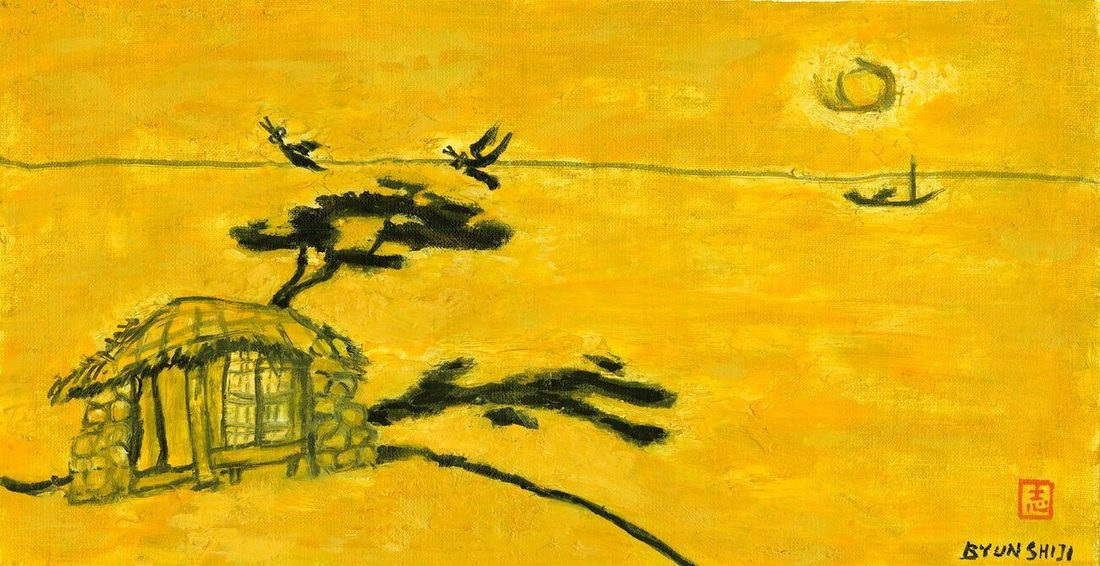
From House to Boat
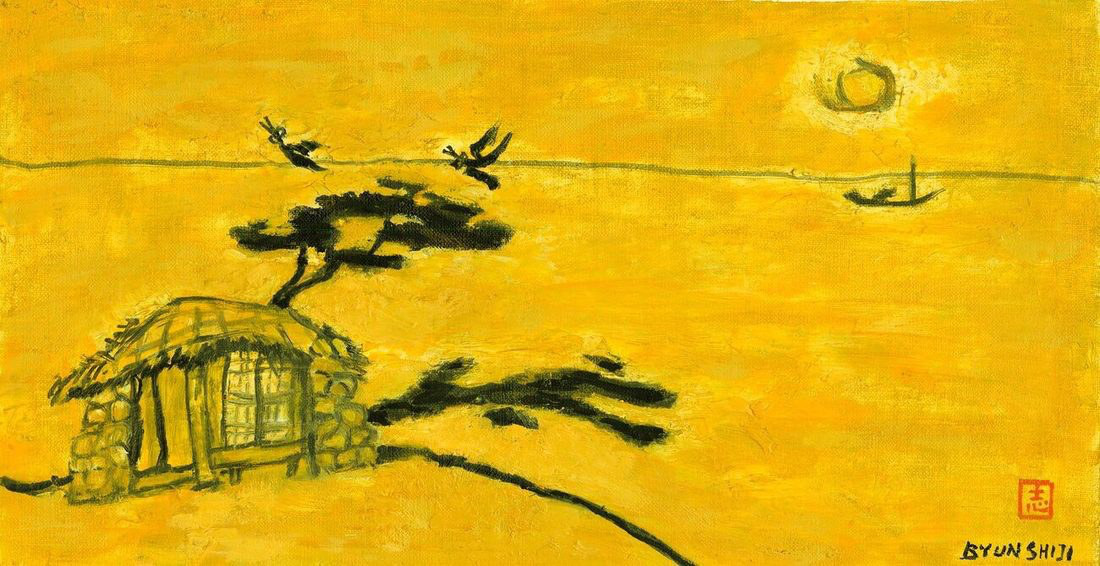
The house in Empty House is small.
A leaning tree stands beside it; the boat is far away.
Leaving the house for the boat, the eye crosses a broad field of colour.
The maker is no longer here.
We cannot recover that day’s weather exactly.
Yet the house and boat still alter distance within our sight.
Move a little closer.
Step back again.
The painting left by someone who can no longer touch it moves the person who looks.
Father and Painter
Someone thinks first of a father.
Someone else stops before a colour never seen before.
Different times arrive before the same painting.
Intimate memory does not know everything.
A distant gaze does not arrive without expectations.
Keep clear who remembered and who offered the reading.
A stranger can enter without erasing a family’s memory.
Leave room beside it to hear that person.
The painting need not choose only one of them.
Doing Different Work
Continuing a legacy does not require painting in the same style.
Someone records; someone translates.
Someone shows the painting to a new viewer.
One can write while caring for paintings.
One can make one’s own work while tending another artist’s records.
A person need not be left with only one task.
A different path can still hold care for the same painting.
Not resembling someone does not mean abandoning them.
Look also at the path opened to the next person.
Days Not Fully Seen
Living close does not mean sharing every day.
While one person was before the easel, another was living a day of their own.
Even memories of the same house have gaps.
A painting does not tell us fully why the brush was laid down that day.
There is a day we cannot return to.
The line he left that day is here.
Love does not require filling every empty place.
It is possible to leave the painting for a while.
On returning, there is still a place from which to look.
A Hand That Adds Nothing
Byun spoke of losing a good effect while trying to improve it.
He was speaking about painting.
I recall the words also before the task of caring for what remains.
Do not make the colours brighter than they are.
Do not put unrecorded words into the painter’s mouth.
In trying to bring him closer, we may lose what remains.
What he painted and what we imagine can stand together.
But they should not be offered as the same thing.
There is also a hand that keeps the distance between them.
Someone Who Never Met Him
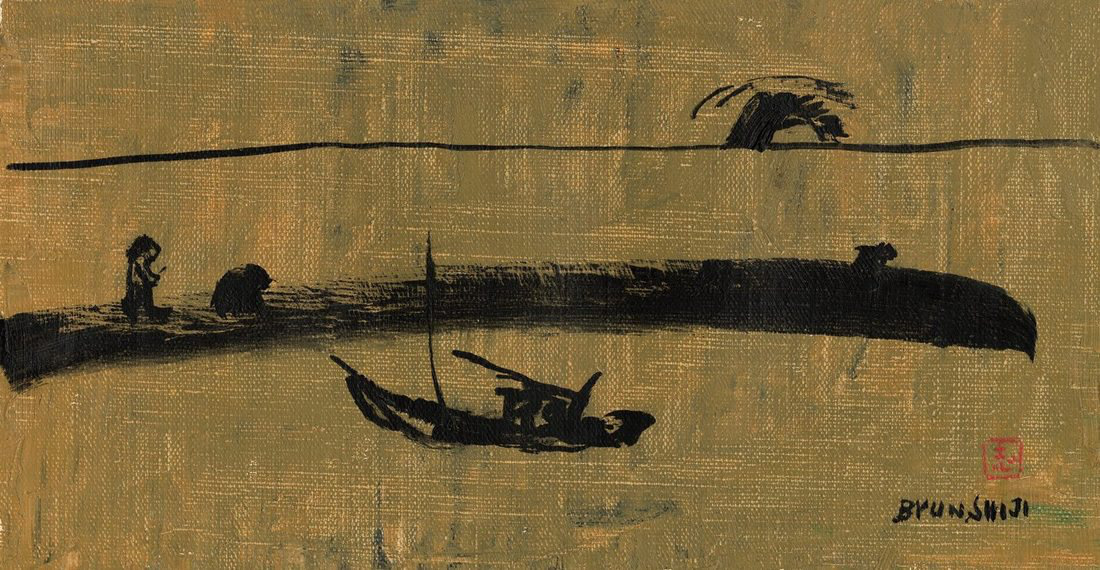
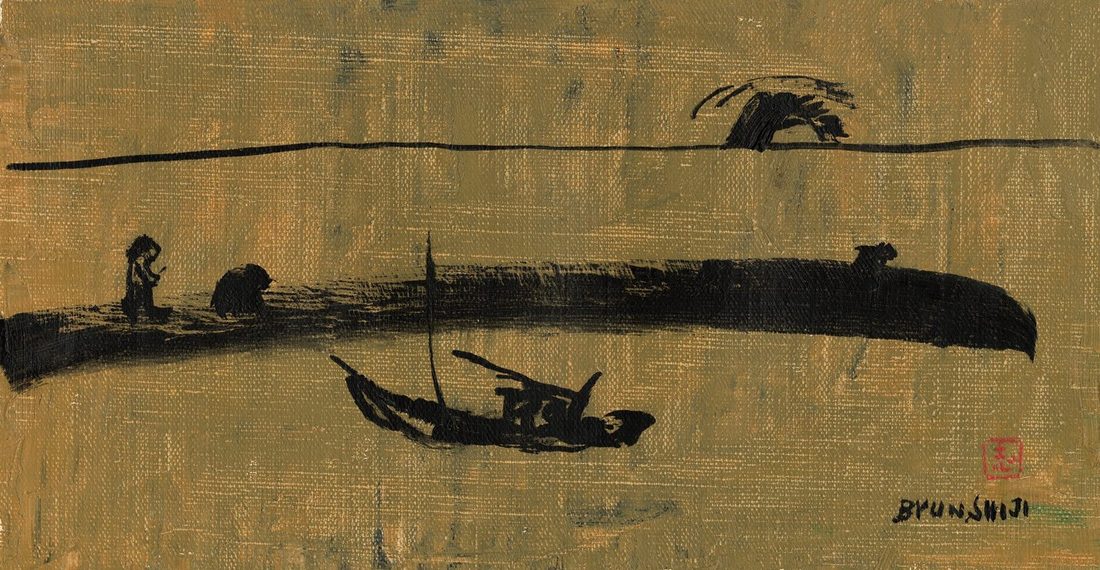
Boat and land are close in The Jetty.
Yet the water does not disappear.
Before speaking of passing something on, look at that water.
Someone who never knew the painter can still see the painting.
Hearing one small memory may invite another look.
The explanation does not look in their place; it brings their eye back.
One person notices the boat; another, the body on land.
Their eyes may rest in different places.
The giver cannot decide every arrival.
When Words Stop
Do not fill the broad field of Empty House with explanation.
Point to the house and boat, then pause.
Let the eye cross between them.
This is not calling the unknown a mystery.
Keep evidence open to checking and interpretation open to more than one answer.
When words are needed, begin again before the painting.
The name Jeju remains.
So does the time the painter lived through.
Beside them lies the day of the person looking now.
A Place Beside
Those who remain cannot live the painter’s life in his place.
They meet the work again within their own days.
They may return with different questions.
Leave the painting and its name.
Leave a readable record and the questions still unanswered.
Do not fill all the room in which the next person might stay.
The house is on the left.
The boat is far away.
One person steps back; another stands beside them.