Research/A Hundred Years of Wind/Ⅷ Philosophy of Art
Ⅷ Philosophy of Art · 93 / 100
An Artist’s Legacy
One Work for the Next Person
예술가의 유산
Counting One
How many paintings are there?
First, take out one work and look.
A reliable count begins by distinguishing an original from a photograph, a finished work from a study.
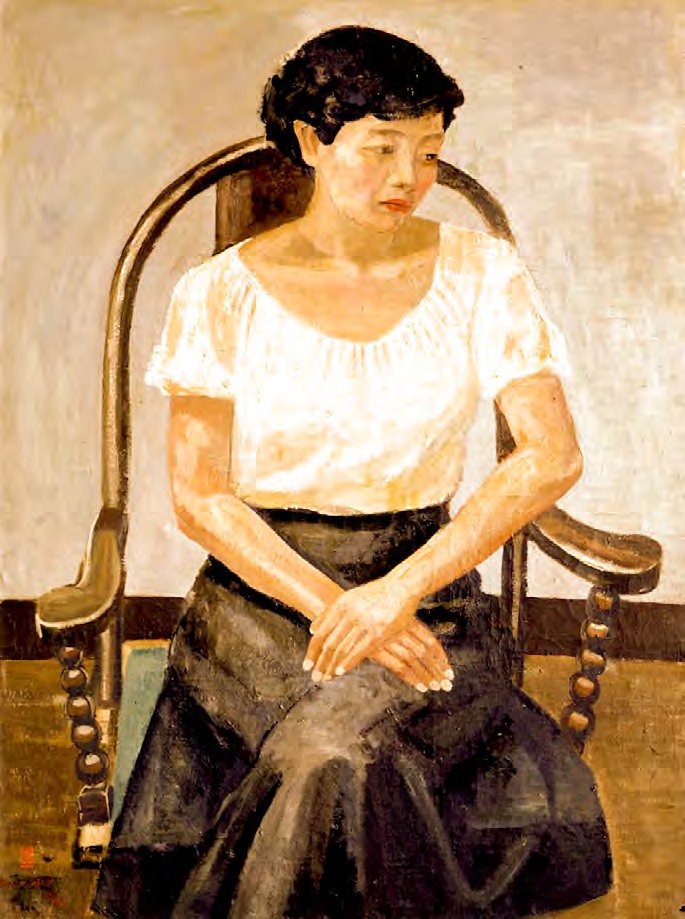
Portrait of Nemo is one painting.
There may be many photographs.
The same hands appearing in several books do not make several paintings.
Counting one work means finding its place.
A familiar painting may be new to someone else.
I do not want to put a wrong name before that first encounter.
The Record Beside the Painting
Having a painting does not mean knowing it fully.
A wrong title sends the eye towards another story.
Even a short record can change the way into a work.
Record where the original is.
Check who made the photograph and the scope of its permitted use.
The more deeply a work is cared for, the more its small particulars matter.
People may think differently before one painting.
But first they need to know that it is the same painting.
Care and records support that meeting.
Beside the Last Work
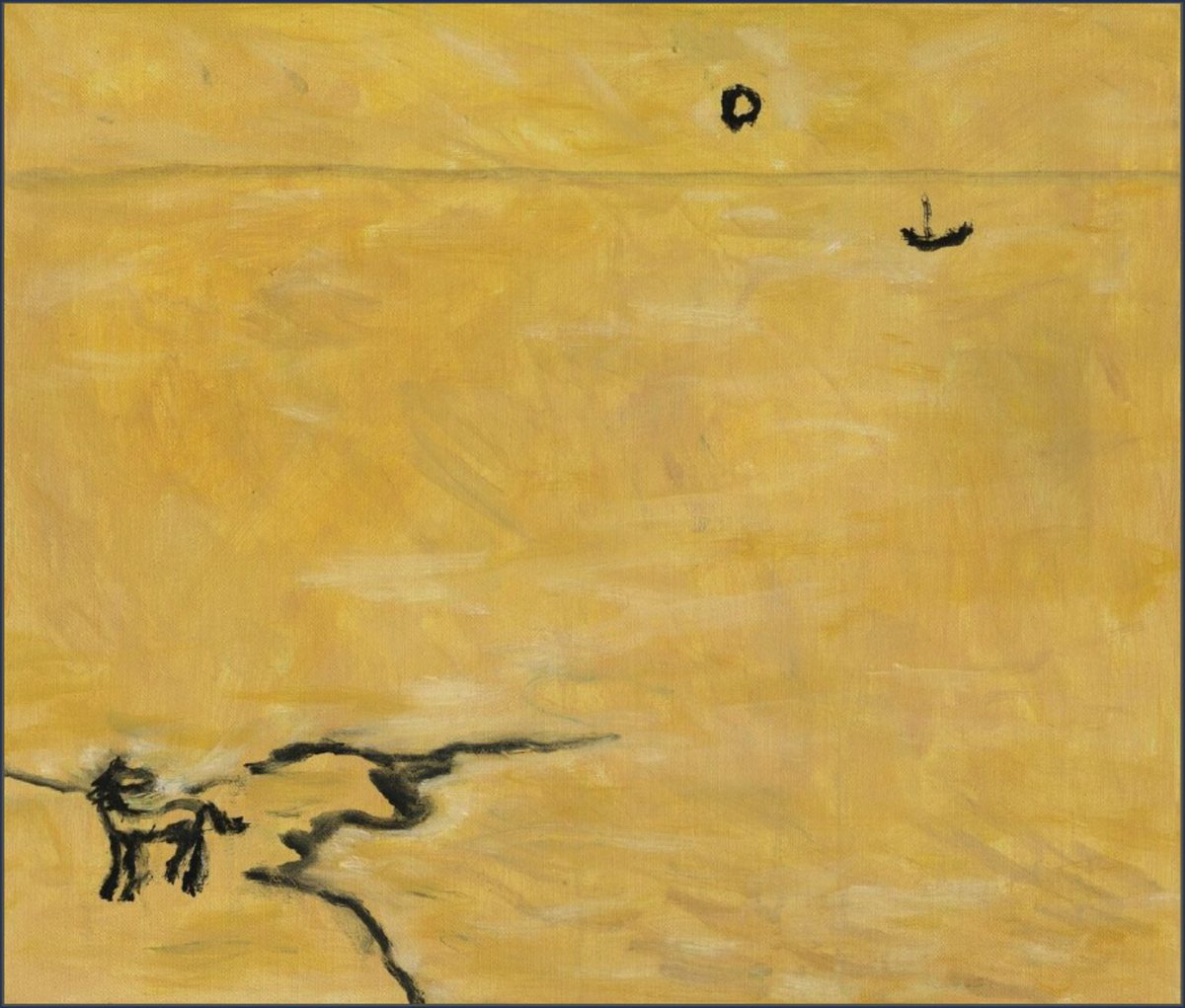
The Last Work contains a small pony.
There are also a little ground, the sun above, and a distant boat.
See that image before accepting a story that everything ended in one dot.
The hands in Portrait of Nemo were not painted in order to disappear later.
They already had their place in that painting.
The last work does not stand in for all the earlier ones.
Folded hands and a small pony.
An indoor chair and a broad sea.
Different paintings remain beneath one painter’s name.
A Painting Absent from a Book
Byun said that many paintings were absent from the material being discussed.
He also mentioned studies brought from Japan.
There is room to look further.
Absence from a book does not mean a work was never exhibited.
An unsold work is not necessarily unseen.
Do not fill an unknown field with the word “masterpiece”.
A newly encountered painting may not fit the familiar story.
Revise the story before leaving the painting out.
The painter we thought we knew may look a little different.
The Hand That Made It Readable
In 1914, Jo van Gogh-Bonger edited Vincent’s letters in three volumes.
Leaving paintings and making letters readable were different acts.
A person’s work lay between them.
Find a title and compare dates.
Read a difficult sentence and carry it into another language.
Without such hands, even what survives may grow distant again.
Inheritance is not only writing a name large.
Write it small if necessary, but keep its source clear.
Let the next person check with their own eyes.
Words Cross a Distance Too
Translate “the colour of dried grass”.
Keep clear whether it is a critical description or the painter’s own phrase.
Beside the colour’s name is the place of the person who named it.
Do not change “can be read this way” into “was painted this way”.
Do not add or remove a work’s questions merely to make reading easier.
Some distances must remain even as words bring us closer.
A reader in another language may notice another part first.
Each can say what they saw in the same painting.
An encounter does not require identical feelings.
A Place for Not Knowing
Do not call a painting lost merely because it has not been found.
Burning and losing are different too.
Do not fill the distance between them with a beautiful story.
Write “not yet verified”.
Leave room beside those words for the next piece of evidence.
Caring for surviving paintings does not require inventing the fate of missing ones.
When a new record arrives, revise the list.
Leave the reason for the change.
There will then be a way back from an error.
For the Next Pair of Eyes
The painting has already been made.
The place in which it can be read is still being made.
Beside what the painter left lies the work of those who remain.
Sometimes one accurate title matters more than a large number.
Sometimes distinguishing two reproductions comes before praise.
These are small tasks for passing paintings on.
A small pony stands low in the painting.
The boat above is far away.
The eye leaves the title and returns to the broad interval.