Research/A Hundred Years of Wind/Ⅵ Time & Memory
Ⅵ Time & Memory · 77 / 100
The Centenary
A Life Concluded, Encounters Continuing
탄생 100주년
Whose Hundred Years?
For Byun Shi-Ji, born in 1926, the centenary falls in 2026. These hundred years are neither his lifespan nor the age of any one painting. They mark the distance from a person’s birth to the present viewer’s encounter with his work. Commemoration begins by not compressing these different times into a single number.
The number one hundred can enlarge the scale of a celebration. It does not enlarge the small person inside a painting. Indeed, the louder the commemorative language becomes, the more easily it may obscure the work’s quiet voice. A centenary should ask less how high to raise the artist than what to make visible again.
Here the centenary is an occasion to ask how to commemorate, not a list of confirmed events. No exhibition or project is treated as completed in advance. We begin with a small, practicable task: showing one work well and recording its title and date accurately beneath it.
The Life of a Painting Does Not Continue by Itself
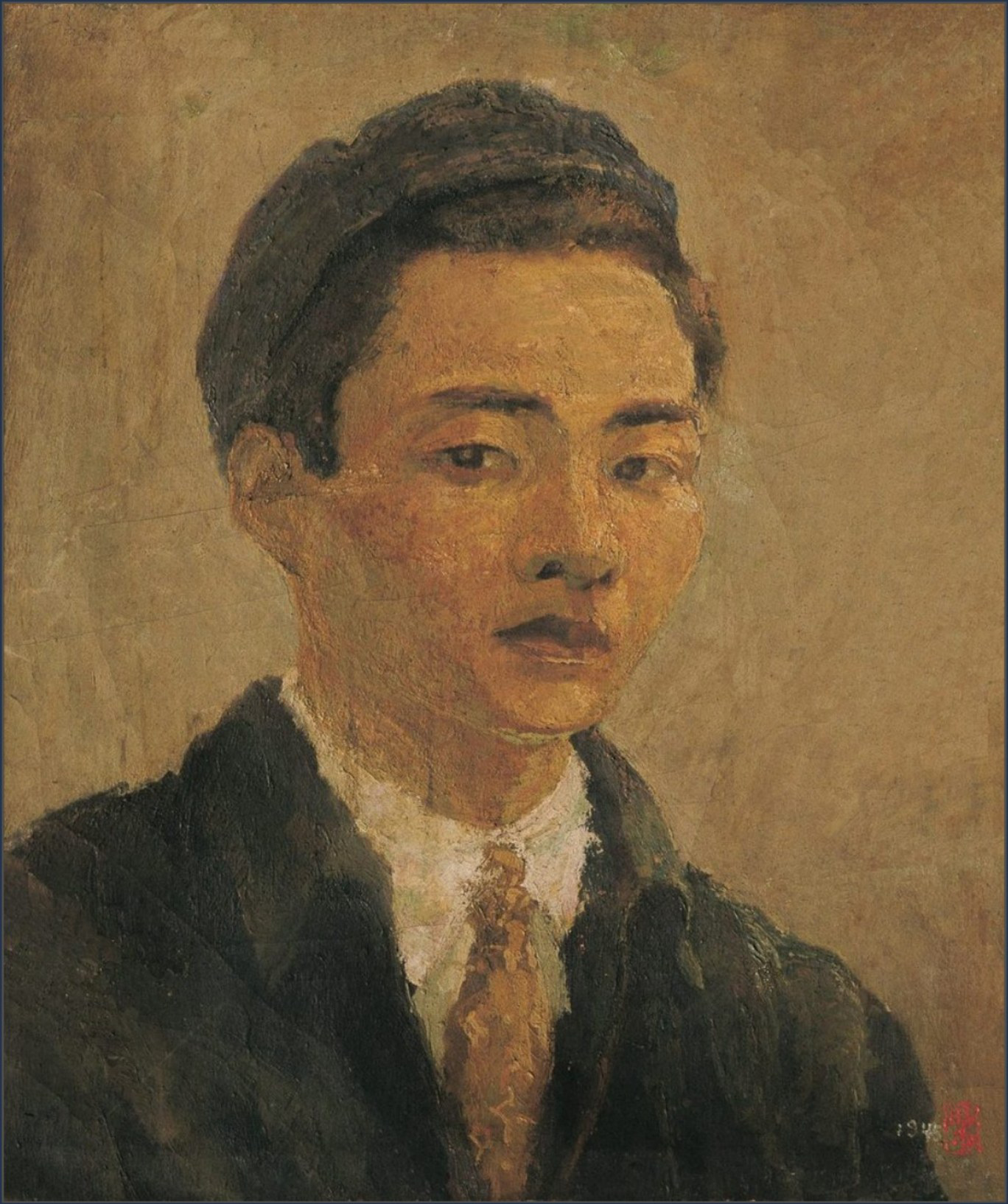
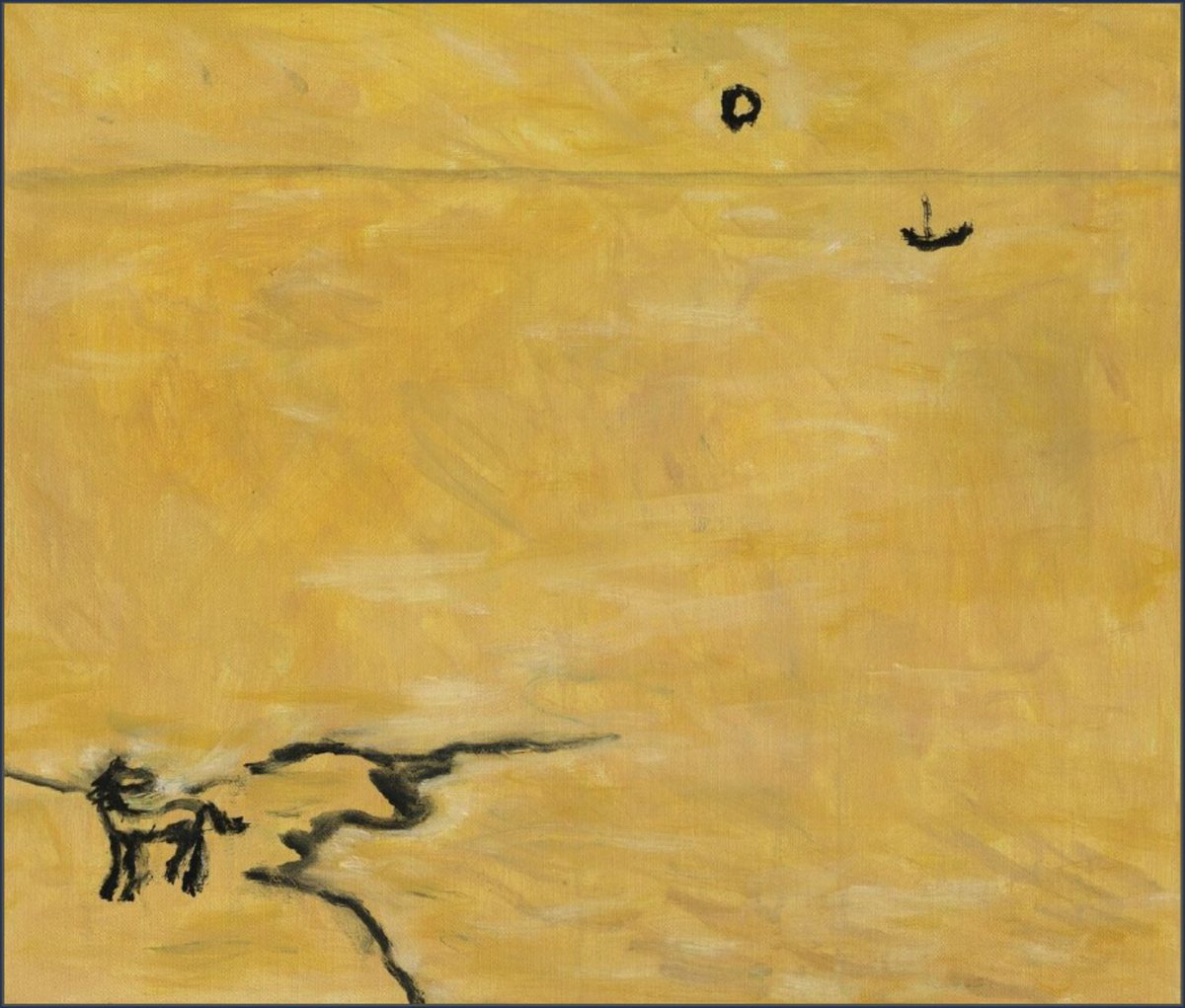
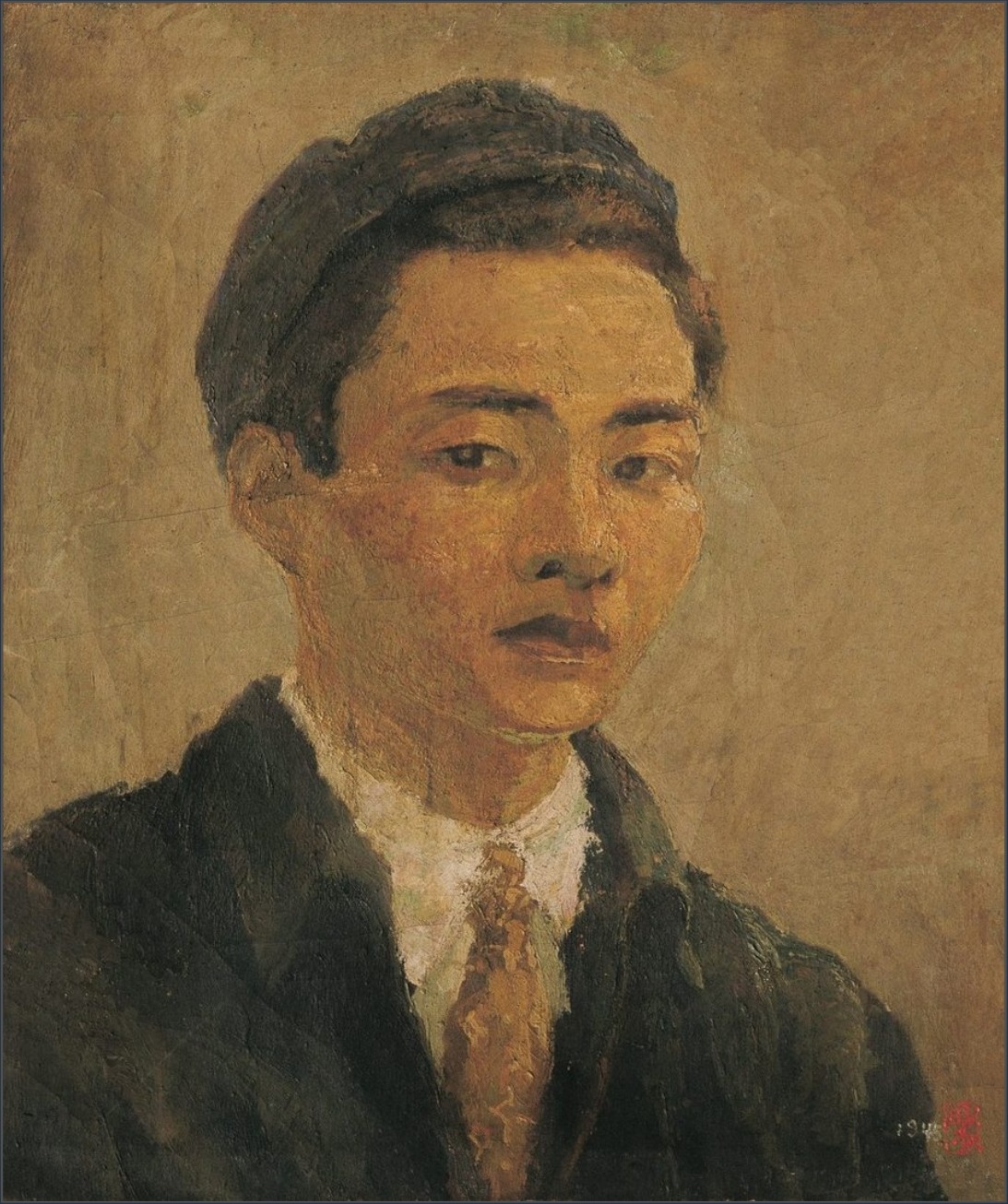
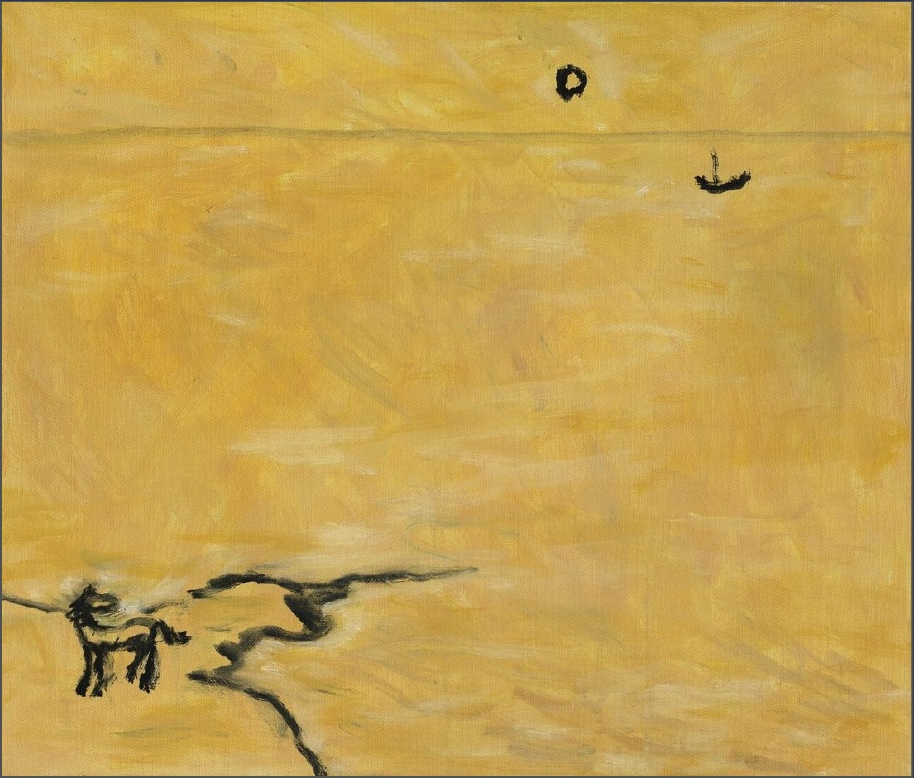
Different times of the body lie between Self-Portrait and The Last Work. But if we treat them merely as signs marking a beginning and an end, we pass too quickly between them. The colours shaping the face and the broad later landscape each deserve attention. Even the endpoints of a life ask for separate moments of looking.
To say that art defeats time is beautiful, but paintings do not remain without care. Someone must store, document, move and show them again. Commemoration becomes more honest when it remembers the labour that makes endurance possible, rather than describing that endurance as a miracle.
The time of encountering a painting can continue after the painter’s hand has stopped. Yet that encounter is not a guaranteed future. Readable records, accessible images and sources that can be revisited open a path for the next viewer. Art’s long duration is made through these small connections.
A Present Question Is Not a Past Prophecy
Today we can return to storms, solitude and the relation between people and nature through questions arising in our own lives. Byun’s paintings can stand beside those questions. Their present relevance does not require us to claim that he predicted all our concerns. Being read anew is different from having painted with advance knowledge.
A viewer today may look at a small body and think first of support rather than victory: the distance from a house that cannot be entered, another life nearby that cannot live on one’s behalf. Such relationships resist the slogans of a particular moment. A painting can outlast the topic we assign to it and allow another question.
Why Byun now? The question needs a particular act of looking more than a single promotional sentence. Which interval in which painting stopped me today? Why did my eyes return to that small horse? The answers need not agree. Commemoration is not the distribution of one identical feeling.
The Door of an Exhibition and the Door of a Record
An exhibition offers actual scale, surface and distance from neighbouring works. A digital archive allows materials held far apart to be compared, and titles and dates to be searched. Neither replaces the other. When both doors remain open, viewing and research can support one another.
A useful publication or archive leaves a route as well as a conclusion. Readers should be able to tell where a reproduction came from, which record supports a title, and where interpretation diverges from testimony. Rather than demanding belief in an explanation, it enables a return to the work.
That route should not be open only to specialists. A first-time visitor needs a readable explanation, a description when an image cannot be accessed, and a note that makes an unfamiliar place-name intelligible. Internationalisation is not merely the addition of prestigious institutions. It is the offer of a first sentence to someone who does not yet know.
Remembering while Leaving Room for Revision
Commemorative language often smooths a person’s life. It is easy to make every choice correct and every painting a preparation for the next masterpiece. Yet a living person may hesitate and try another path. Leaving room for that does not diminish respect; it preserves the dimensions of the person being respected.
New evidence can change a sentence long in use. Recording a corrected date or revised description need not weaken an archive’s authority; it can strengthen trust. To preserve whose recollection it was and why a change was made is a small consideration offered to the next researcher.
A son’s memory has an intimacy no stranger can possess. Yet intimacy does not determine the meaning of every work. When family testimony, the painter’s records and viewers’ interpretations keep their distinct places, a legacy is not confined to one voice. Commemoration makes room for several people to read together.
A Conversation Rather than a Predetermined Lineage
Byun recalled looking at Chusa’s calligraphy and considering affinities with bent branches he had seen on Jeju. He also insisted that his own houses and trees differed from those in Sehando. Before placing the artists in one lineage, this testimony asks us to examine how one artist looked at another.
A centenary comparison should not end with an array of great names. What resembles what, and what does not? Which differences of period and relationship cannot be erased by residence on the same island? The more clearly differences remain, the more comparison becomes a starting point for research rather than an ornament of praise.
The same applies to placing Byun within a wider world. We need not first rank him as deeper than someone else. We can ask how different works respond in different forms to a shared question. Language describing Jeju can then travel further without erasing other places.
Why Write One Hundred Essays?
One hundred essays cannot explain a painter completely. They can show that more than one question opens before a work. A reader who begins with colour may turn to the body; another who begins with childhood may consider exhibitions and translation. The essays can become several paths rather than one final answer.
The writing that creates those paths must identify its own voice. An actual statement by the painter, a monologue written by his son and an editor’s interpretation are not the same kind of evidence, however similar their sentences may look. A technologically generated film or reconstructed image can likewise be read fairly as new work when distinguished from an original.
Placing Korean and English together is not merely a way to state an answer twice. It preserves the same hesitation in another language. An interpretation left open in Korean must not become an established intention in English. Translation must carry not only meaning but the place where a statement stops.
So That the Next Person Can Look
Commemoration does not end on the date an event closes. Can someone who missed an exhibition find its records later? Can a student checking a quotation return to its source? Can a person unfamiliar with the artist linger before one work? These small possibilities establish the time after the commemoration.
To keep a painting for the future is not to guarantee its emotional effect in advance. It is to preserve the next person’s freedom to see differently. A meaning cherished today may open as another question tomorrow. Caring for a work includes allowing that unfamiliar encounter.
A small label is placed beneath the painting. It gives a name, a title, a date and a source. Someone reads it. Then takes one step closer.