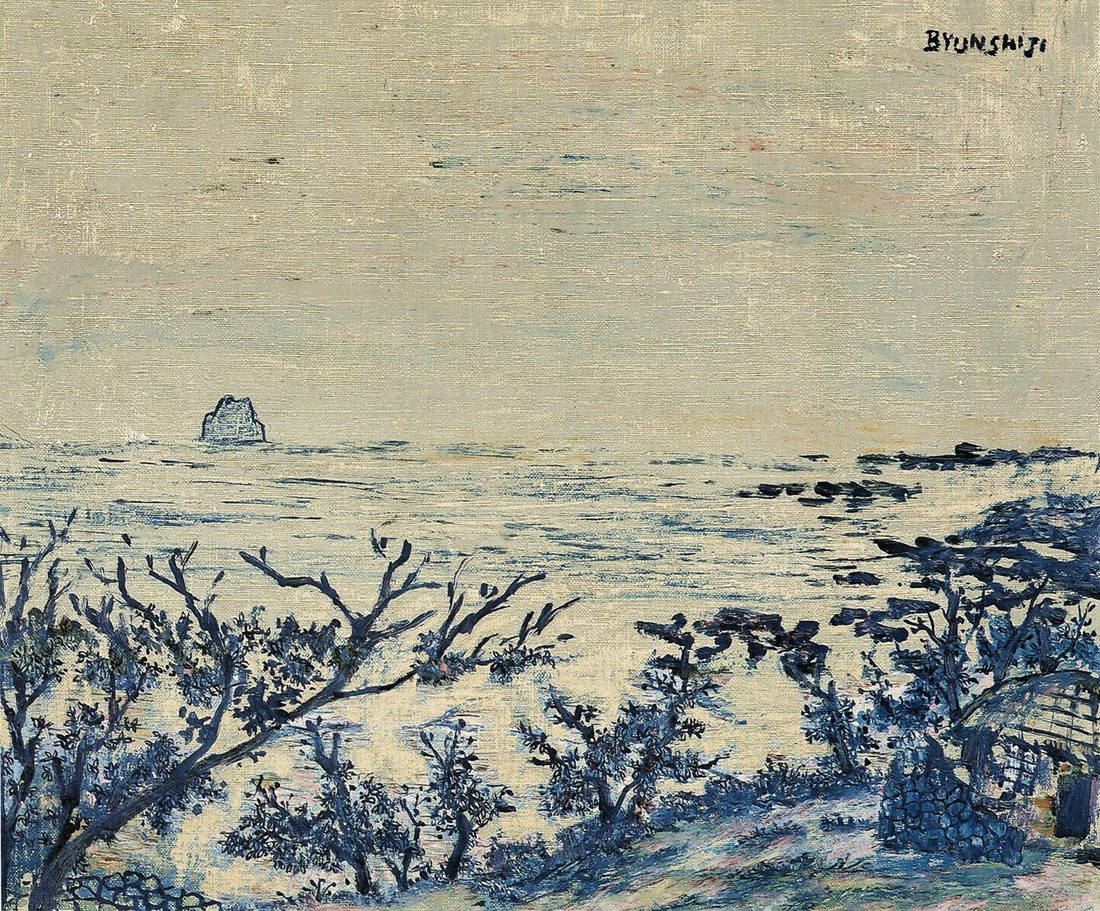
Ieodo
Fūdo is not a view observed from afar, but a condition entered bodily, where one receives the same wind and cools within it.
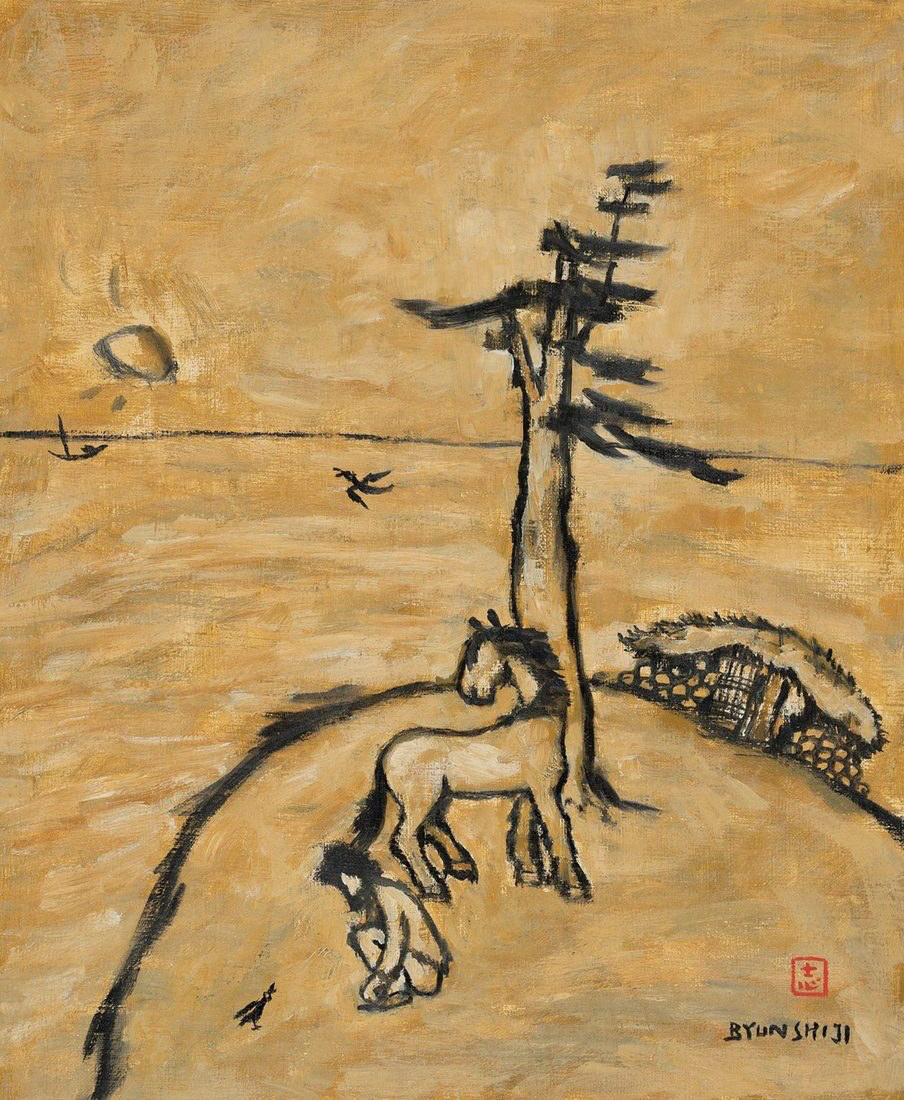
Dialogue
Human and horse receive the same wind, remain in the same place, and bend together. Enduring the same fūdo without words is itself a dialogue.
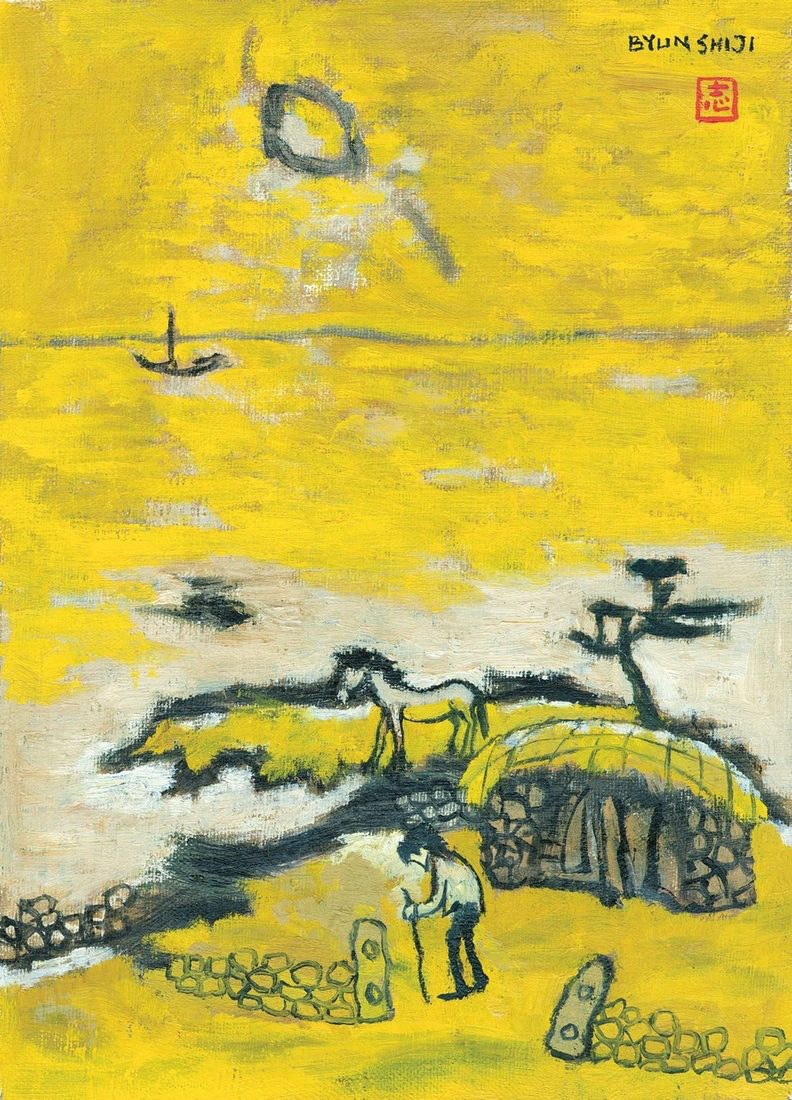
In Memoriam
Dwelling is not occupying a place, but gradually becoming part of it.
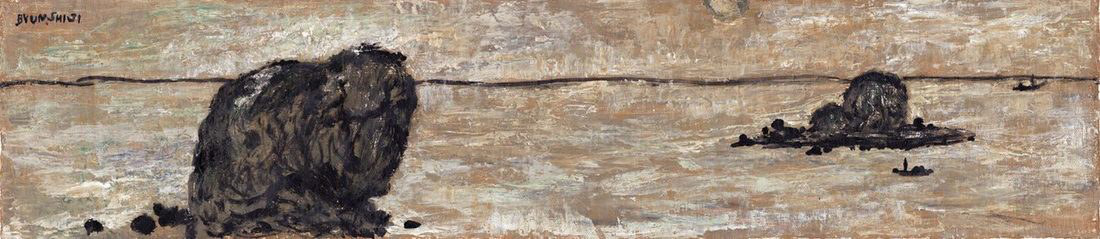
Brother Islands
Fūdo is not a background. It is a condition.
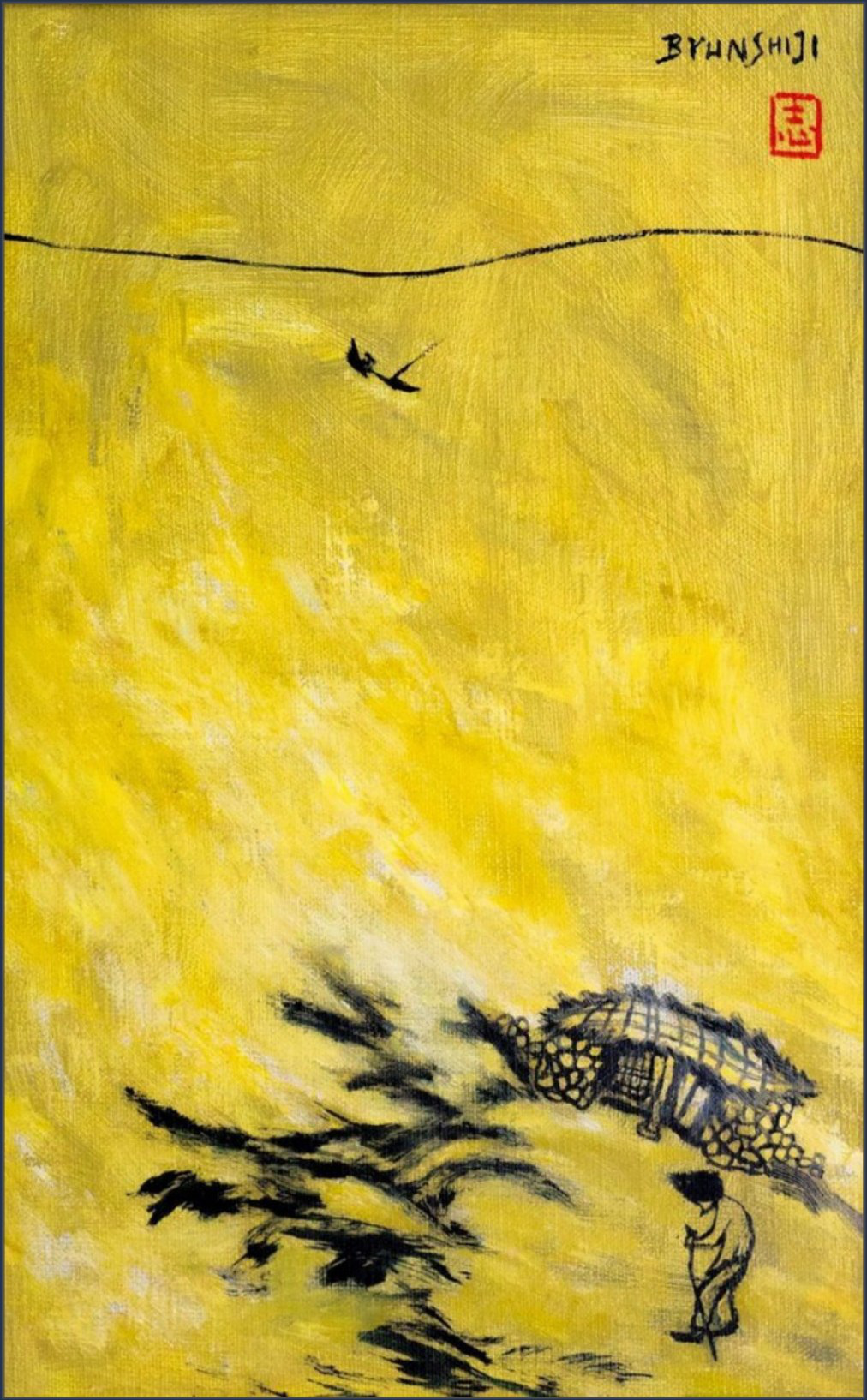
A Wavering Horizon
This is not merely landscape, but the posture through which a human being faces the world.
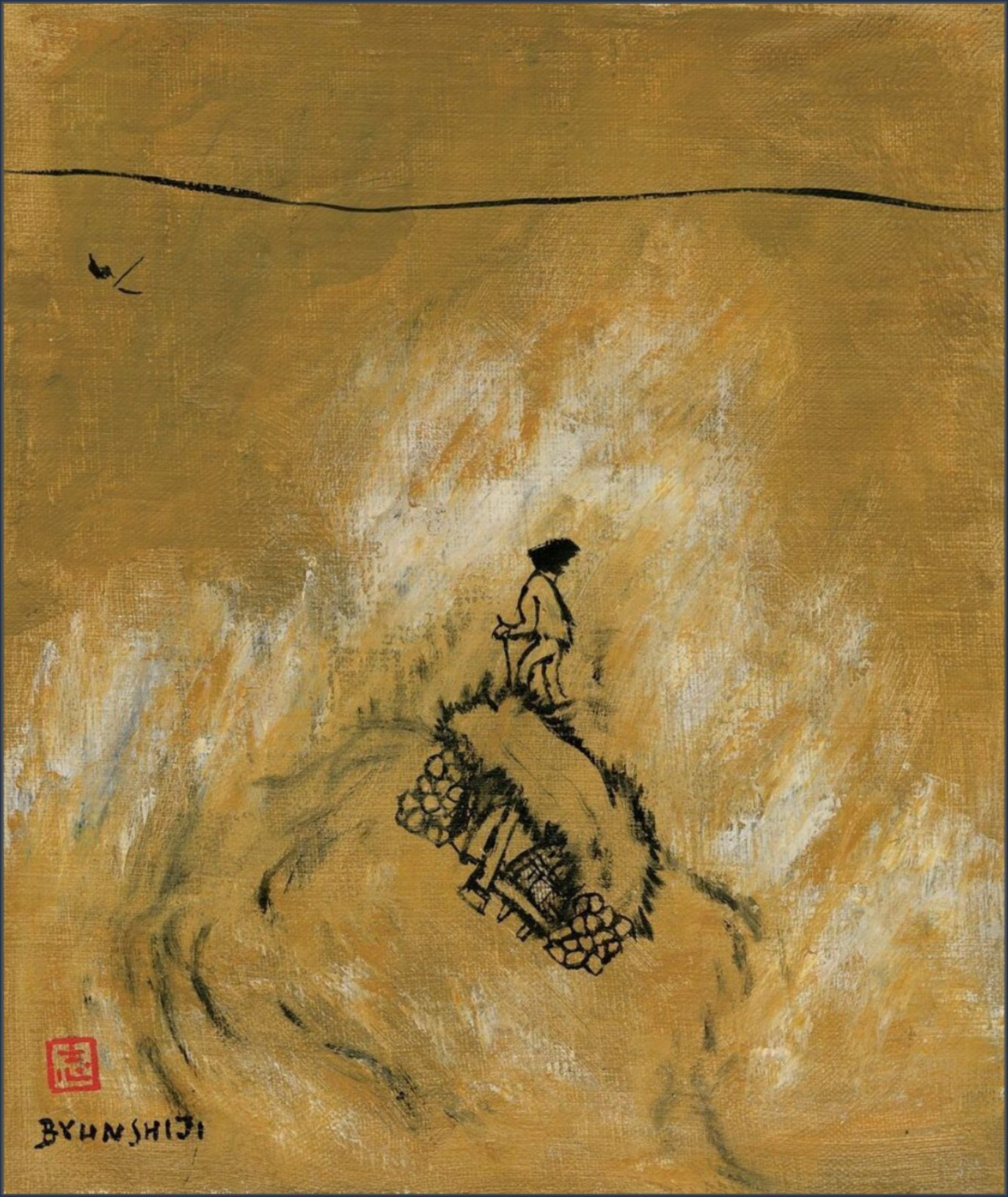
A Wavering Horizon
Even when every standard wavers, one raises the gaze toward what is still to come.
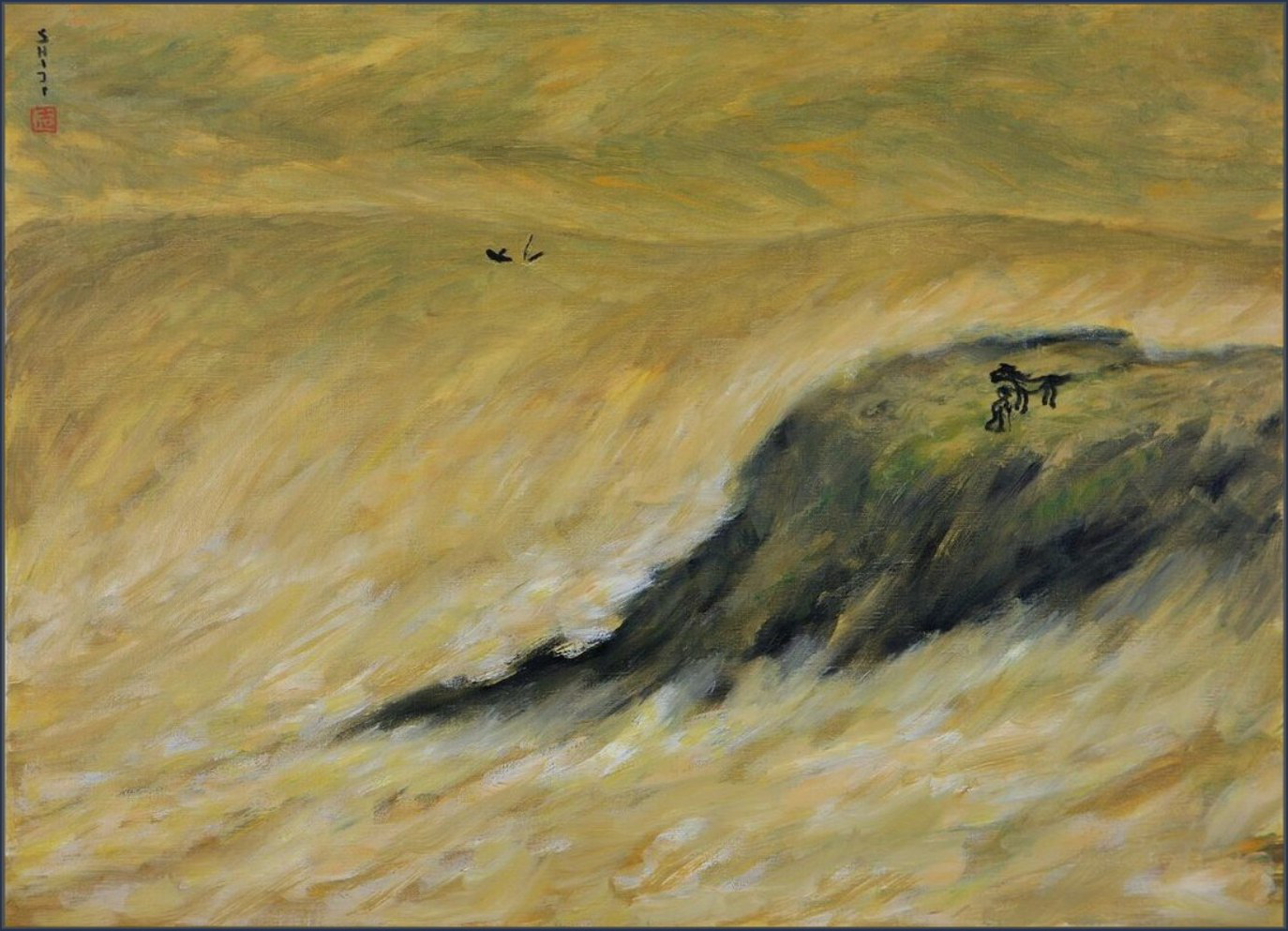
A Wavering Horizon
To endure is not to survive alone.
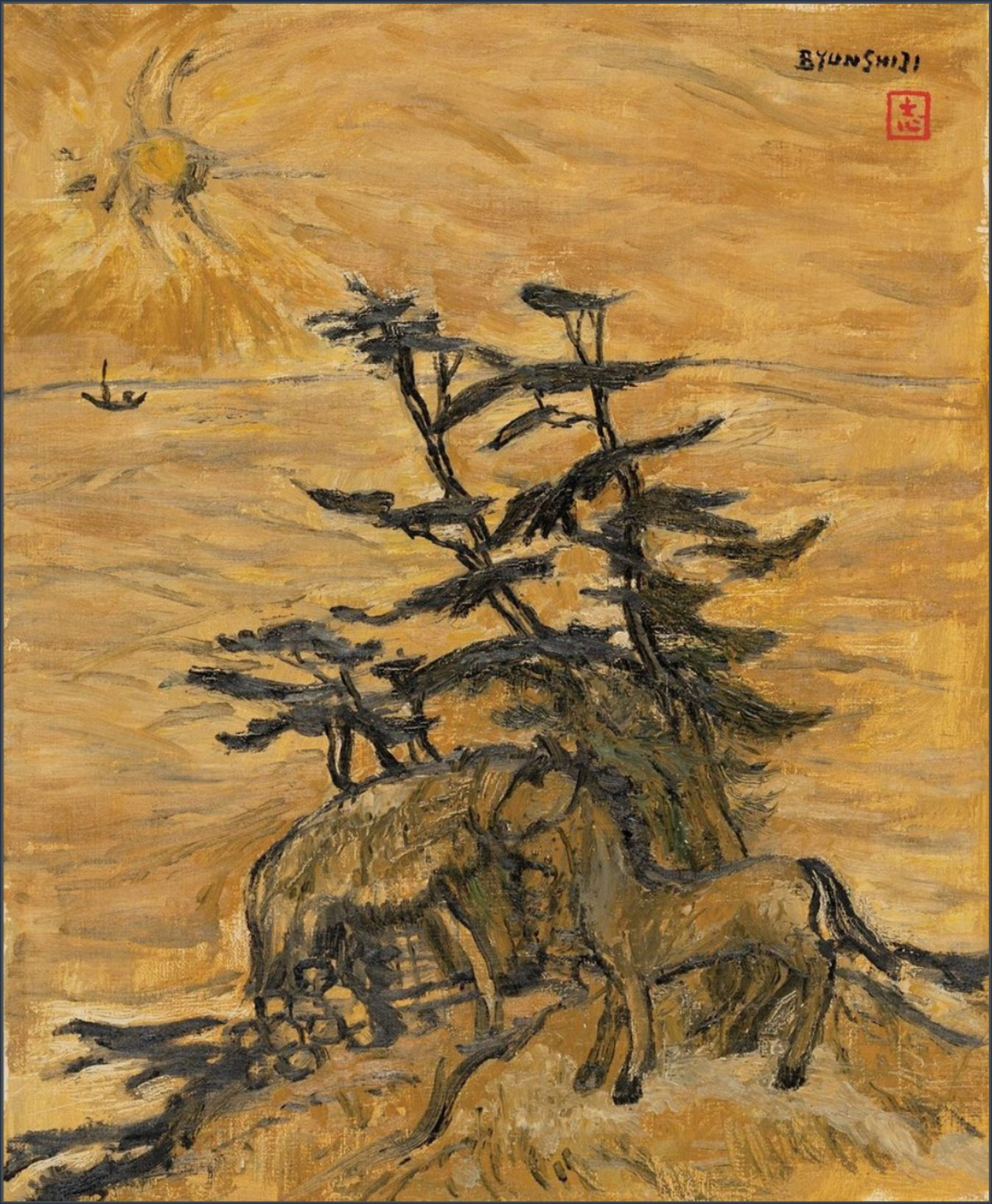
Tropical Sun
This yellow is not merely local colour; it is the colour of life that has endured.
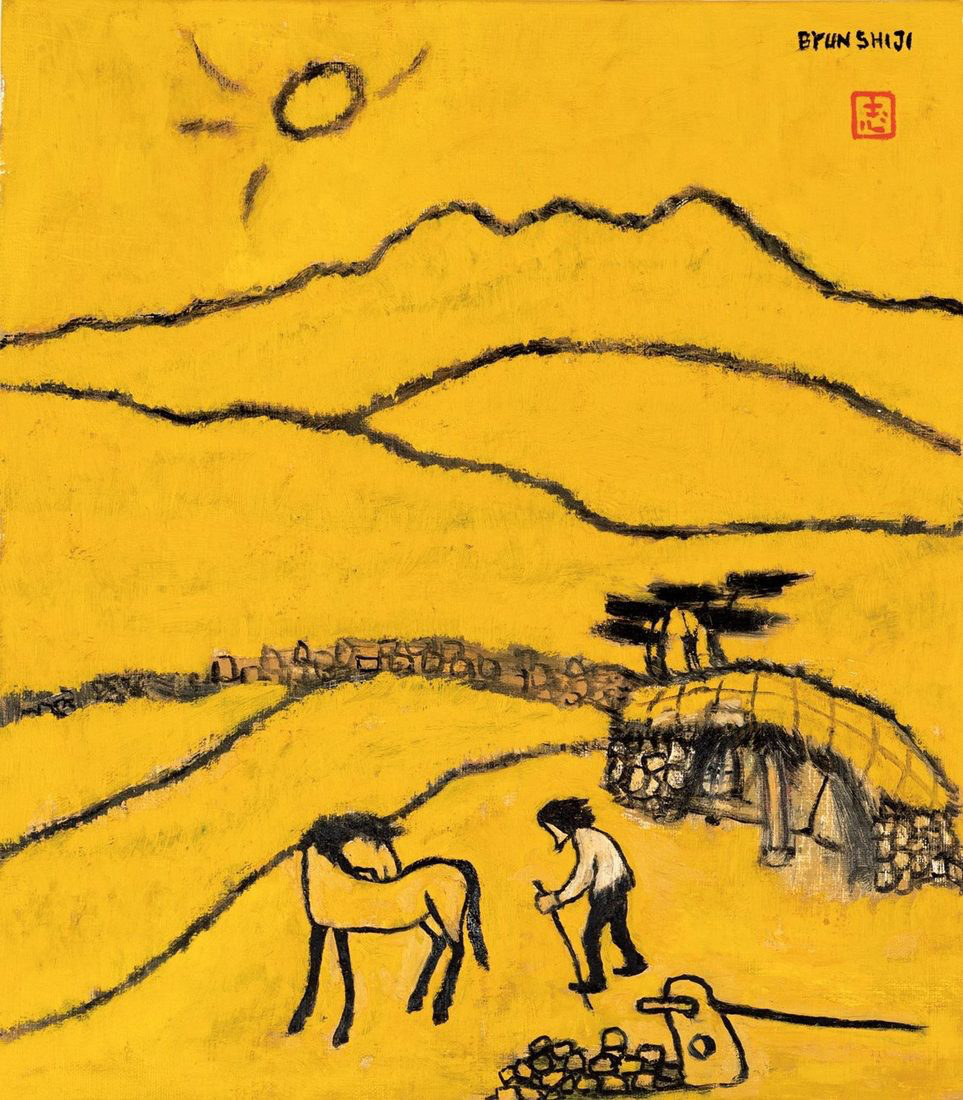
Hallasan
Landscape is not a background behind a person, but the posture formed by a life lived there.
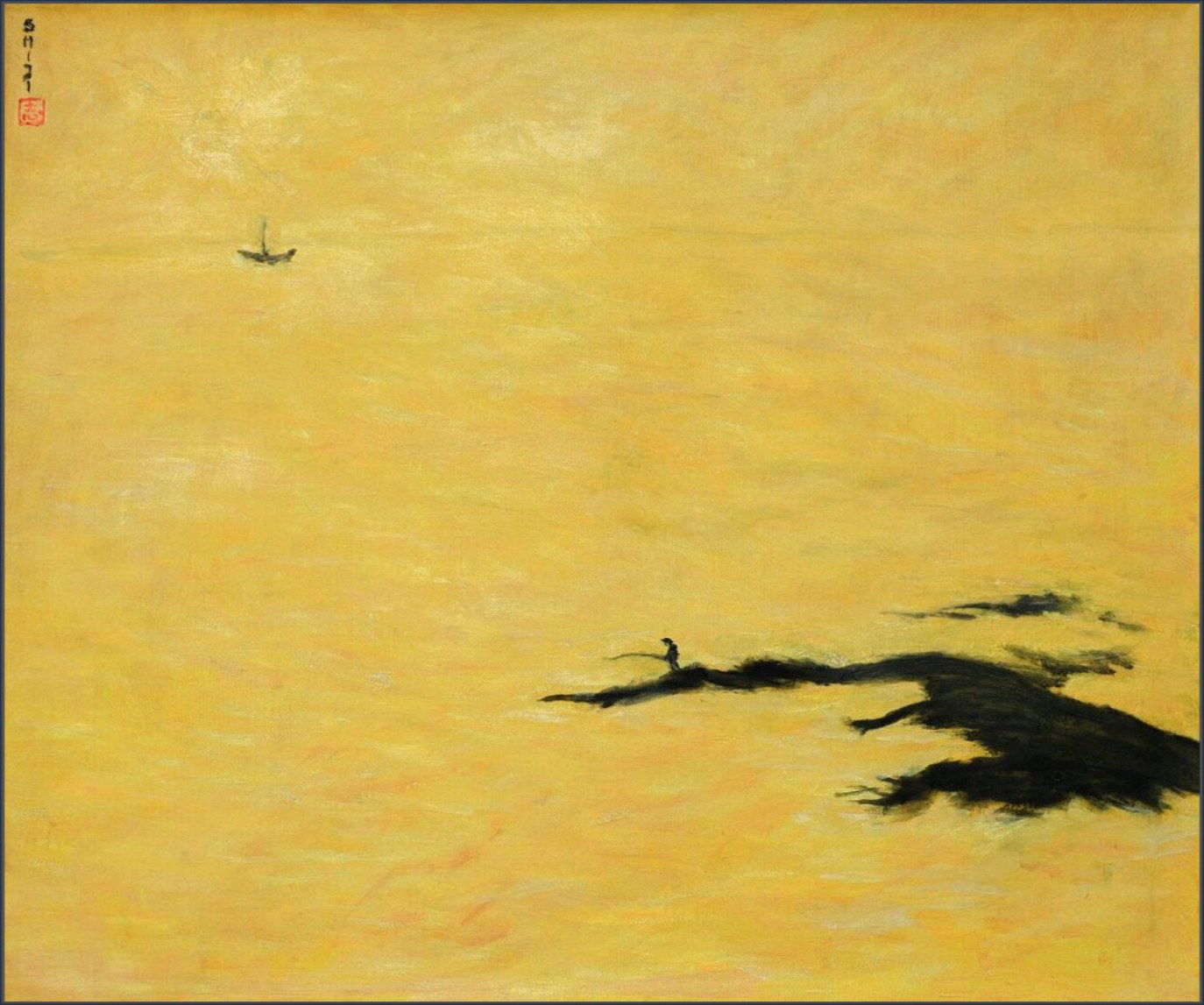
The Sea of Jeju
The sea does not only divide; it also keeps distant lives within the same body of water.
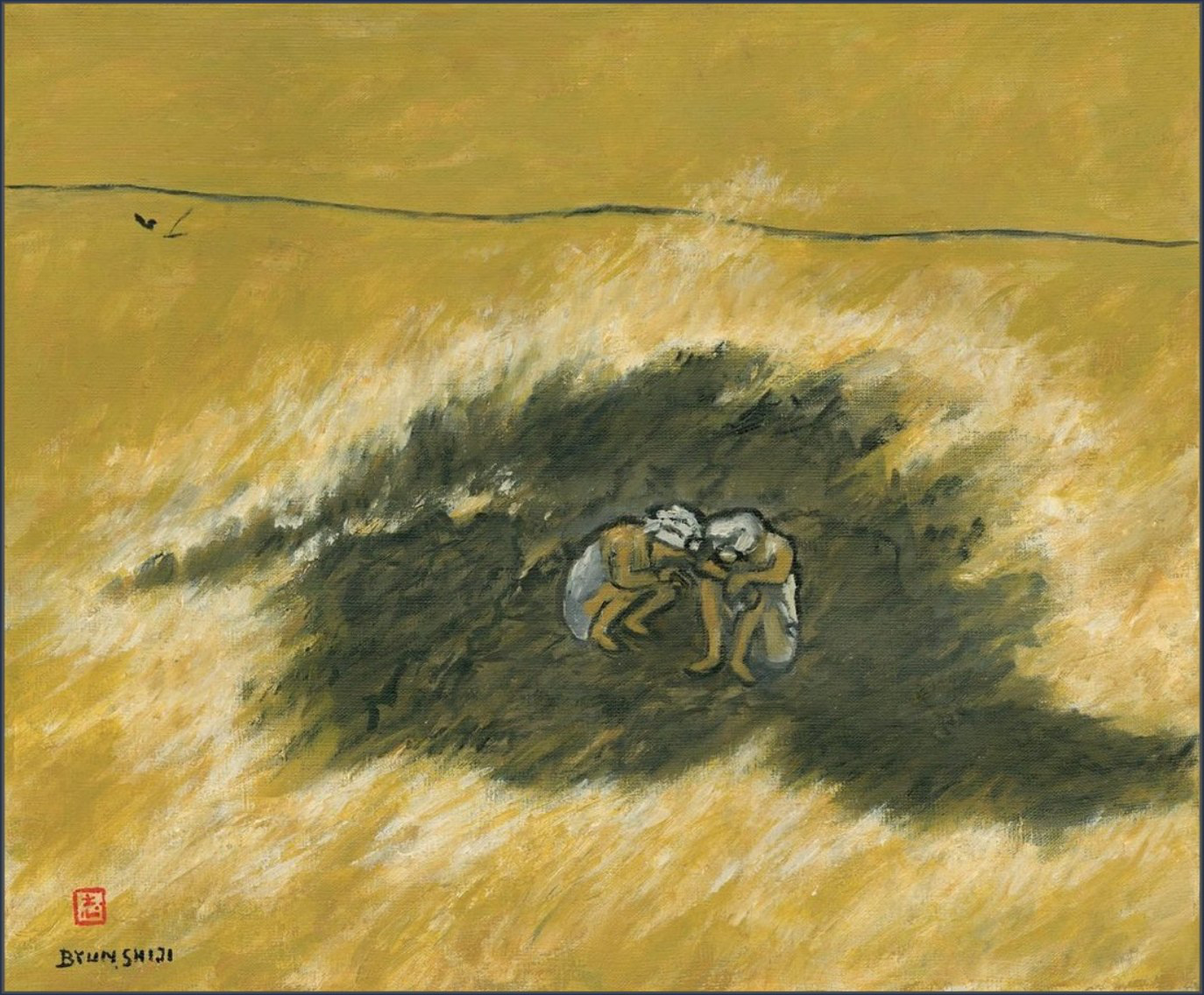
The Sea Is the Haenyeo's Tears
Endurance is not defeating the world, but leaning on one another enough not to collapse.
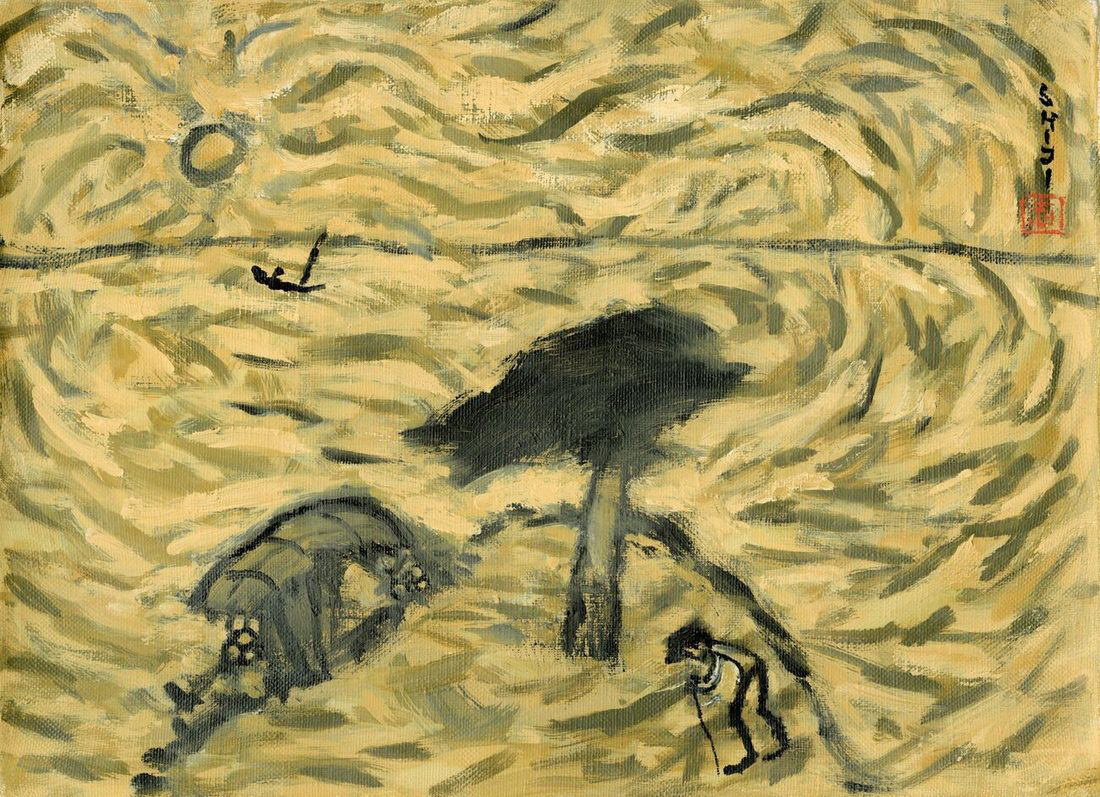
Noon
Endurance is not waiting for a windless day, but keeping one's path while the wind continues.
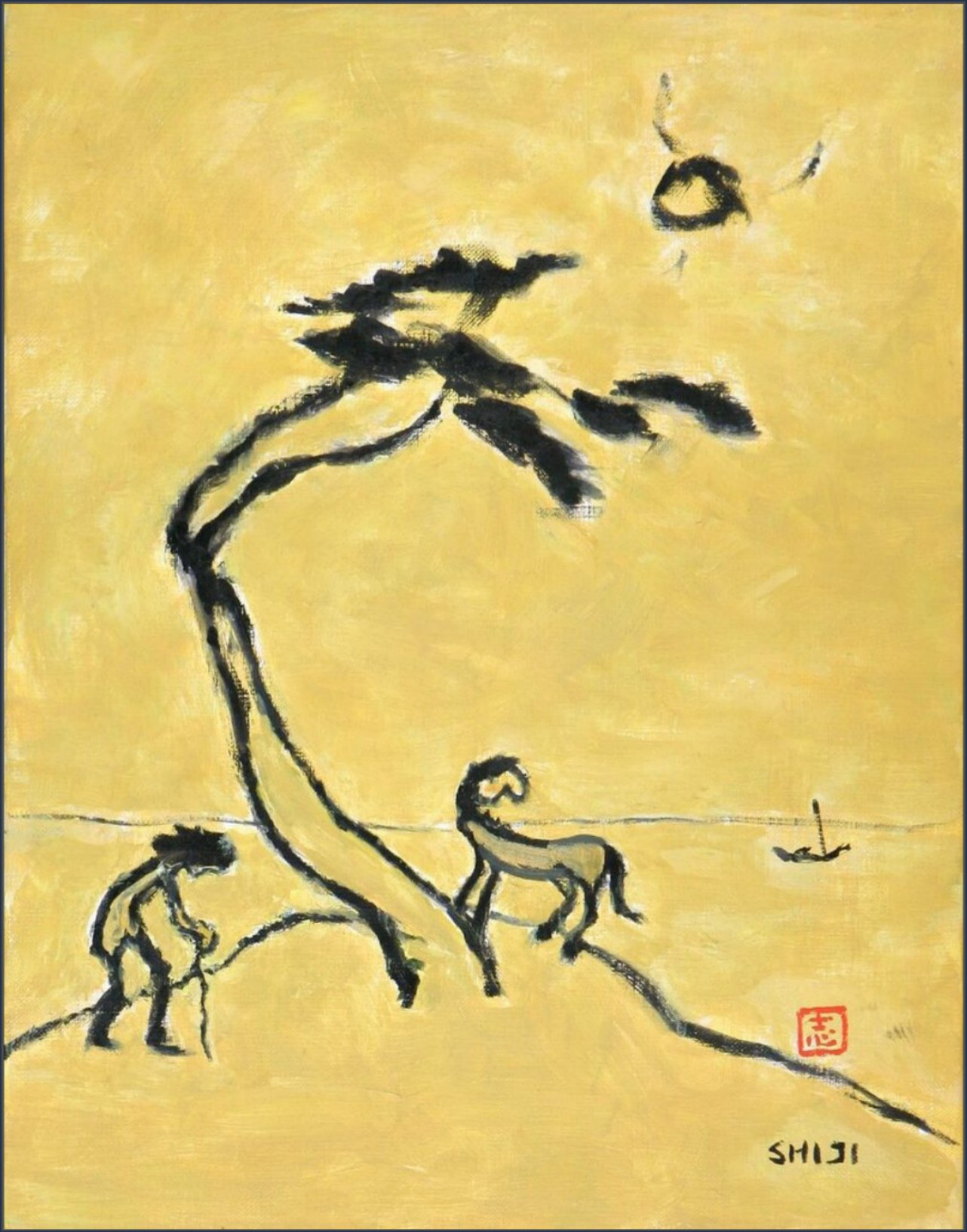
The Tree That Reaches Toward the Sky
Even while lowered, life continues upward and refuses to forget the sky.
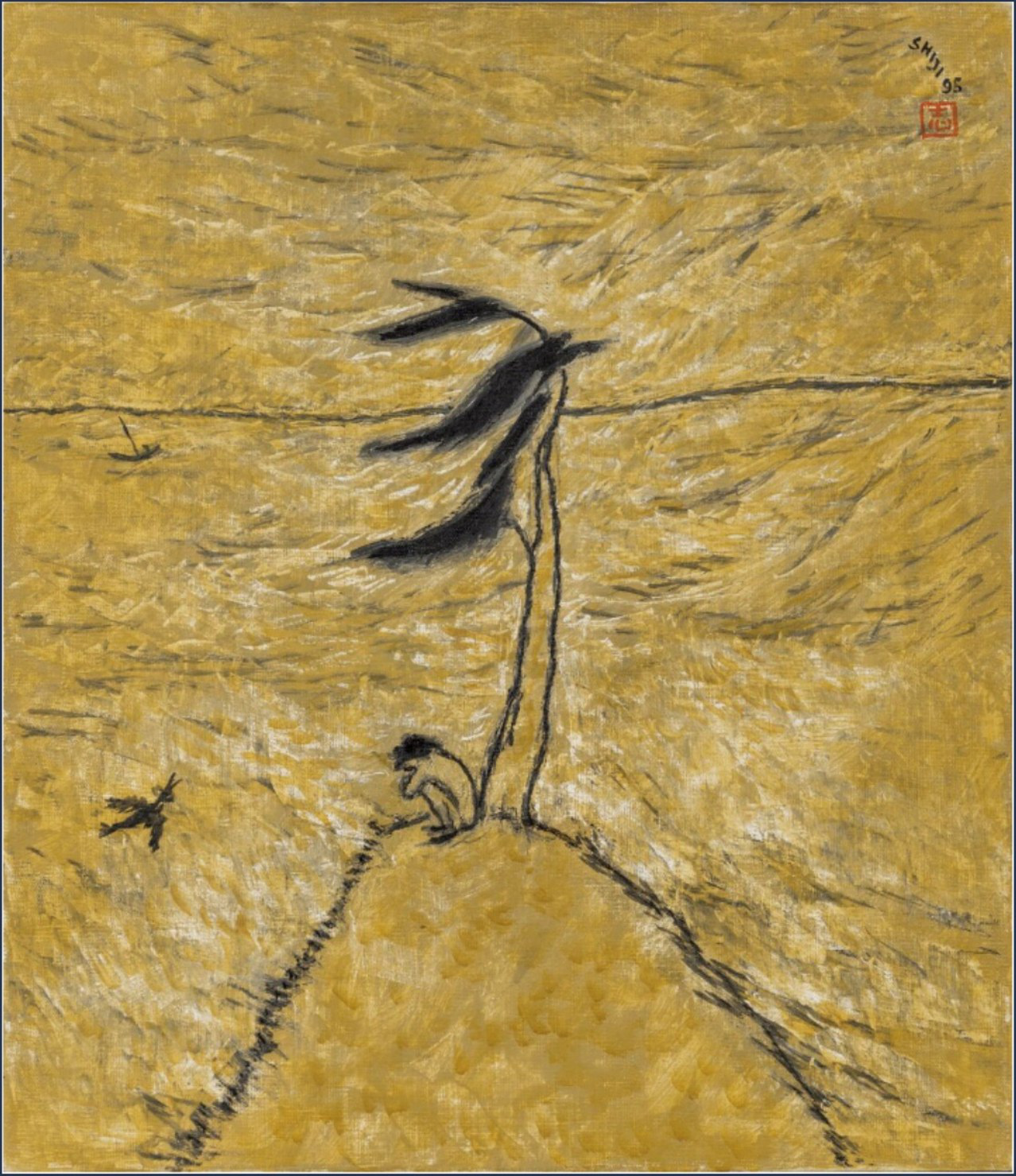
Solitude
The bent form is not a trace of defeat, but the shape of endurance that has not forgotten the sky.
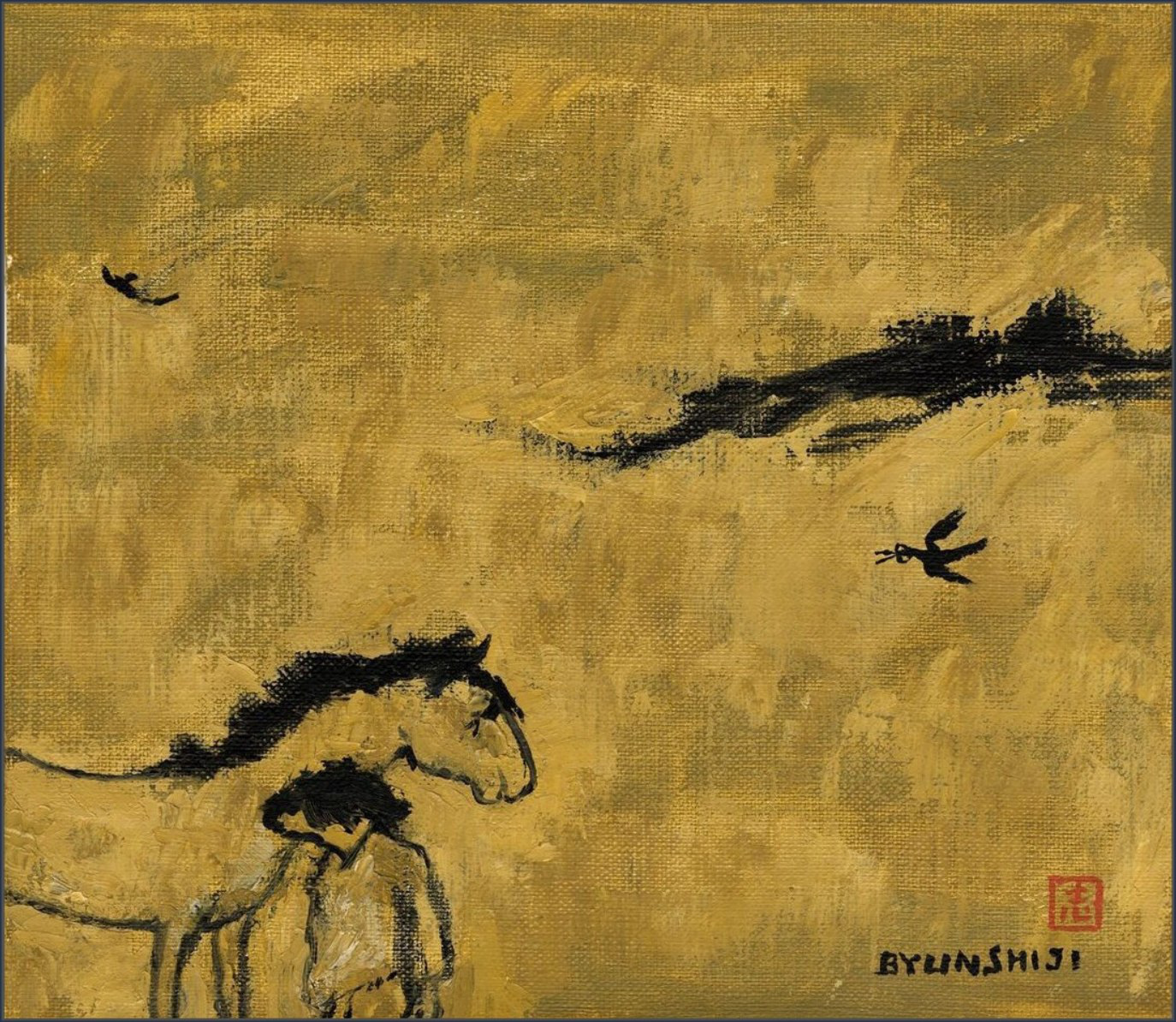
In the Wind
Everything leans in one direction as the wind's signature. Endurance may mean leaning together so as not to break.
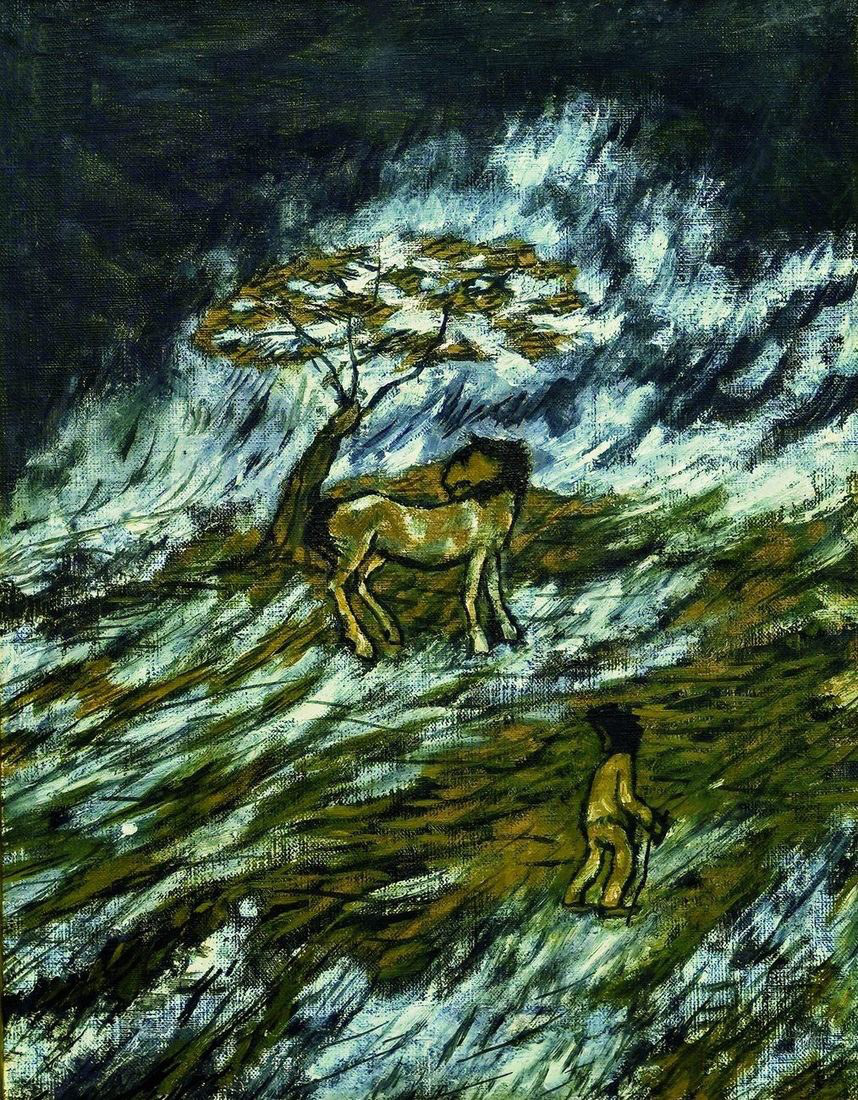
Wind
Everything shakes, yet nothing withdraws. When the wind passes, the posture that endured remains.
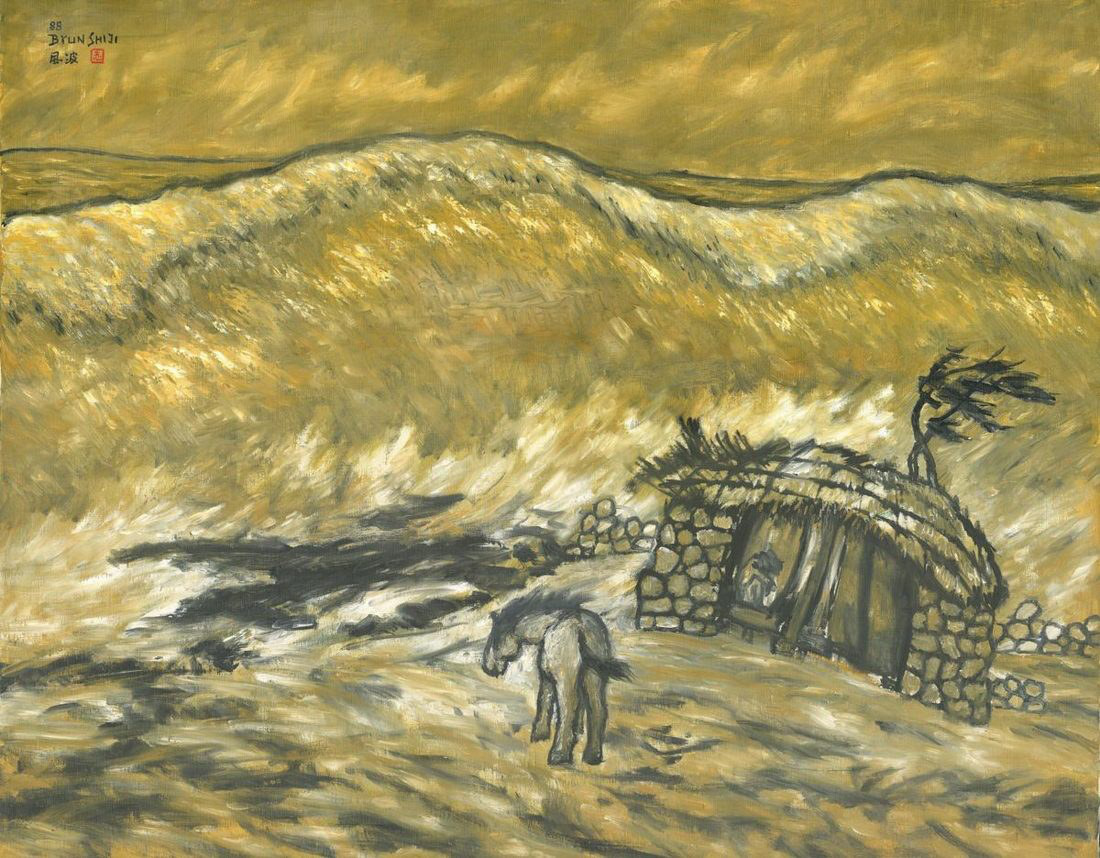
Wind and Waves
Endurance is not remaining unhurt, but yielding little by little without disappearing.
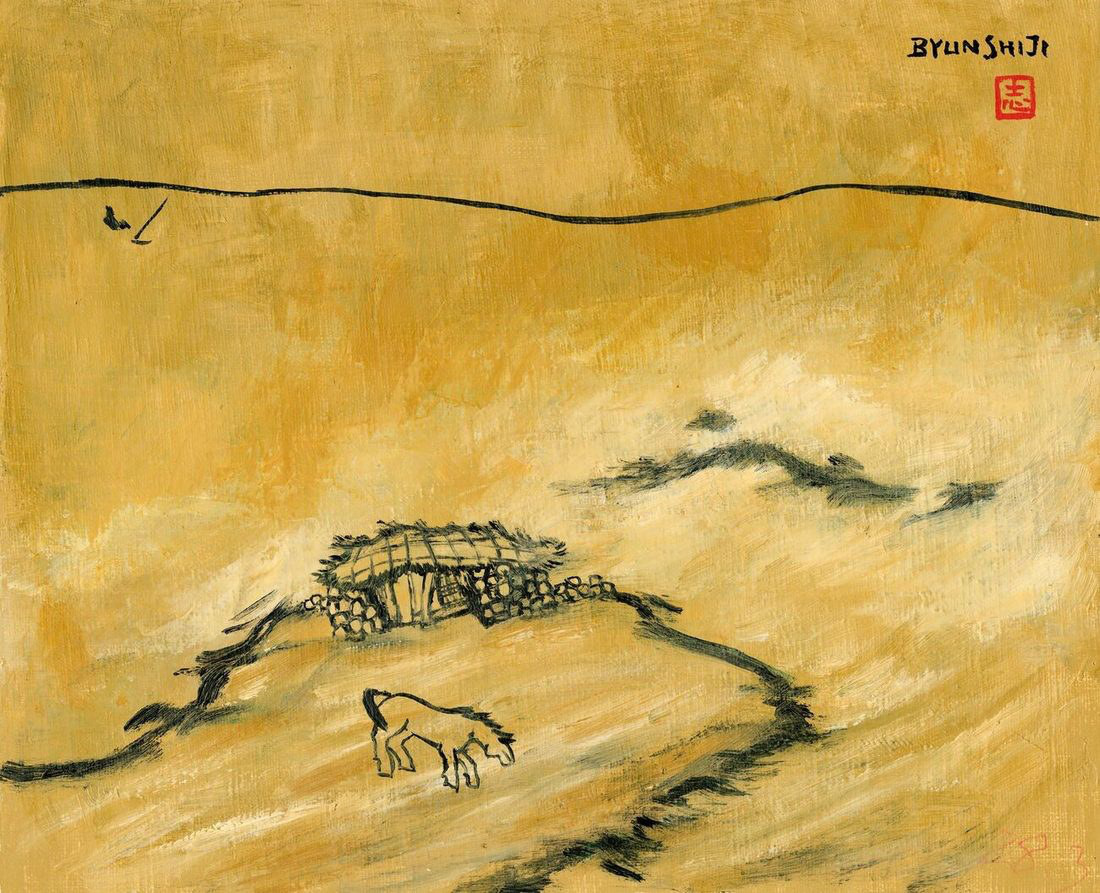
Typhoon
Even after the wind disappears, the place that endured it remembers for a long time.
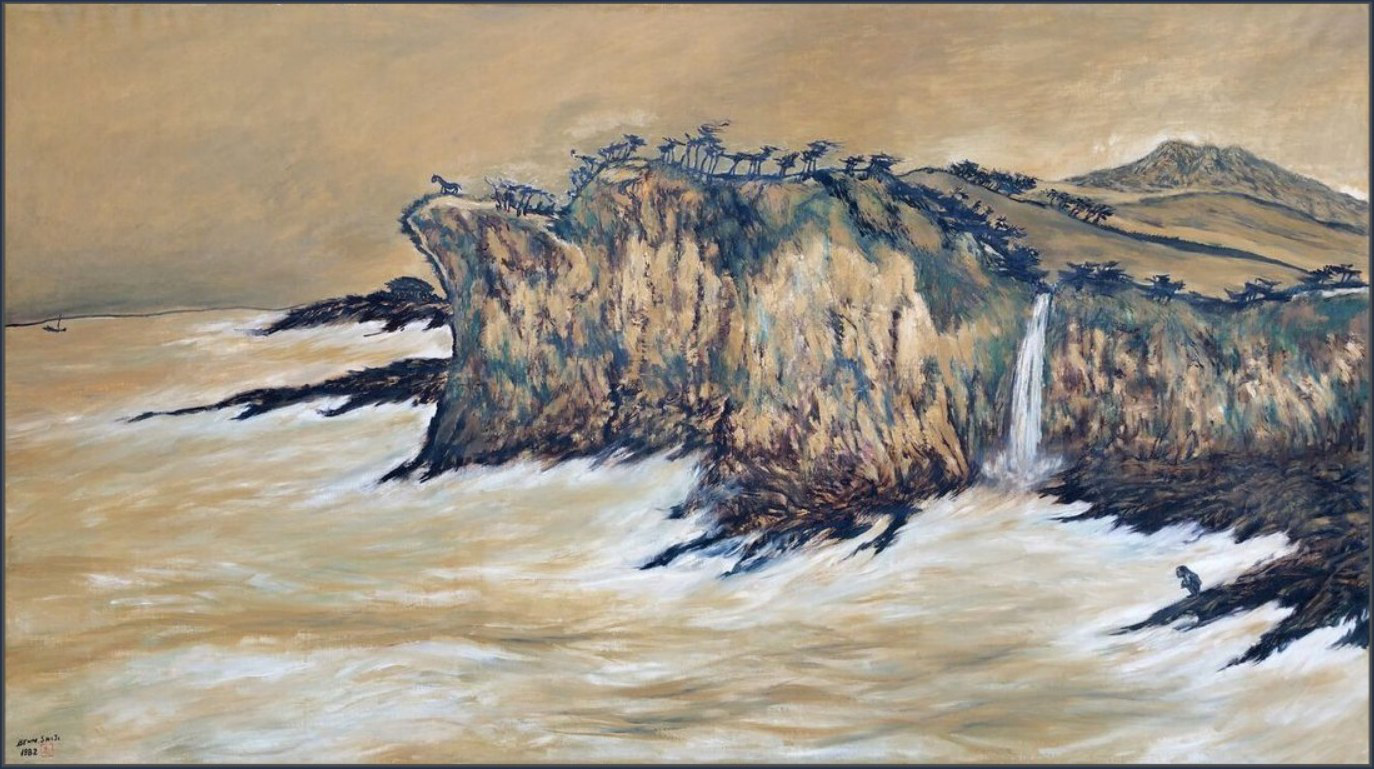
Typhoon
There are two ways to meet the wind: resist it or move with it. Endurance is bending together enough not to break.
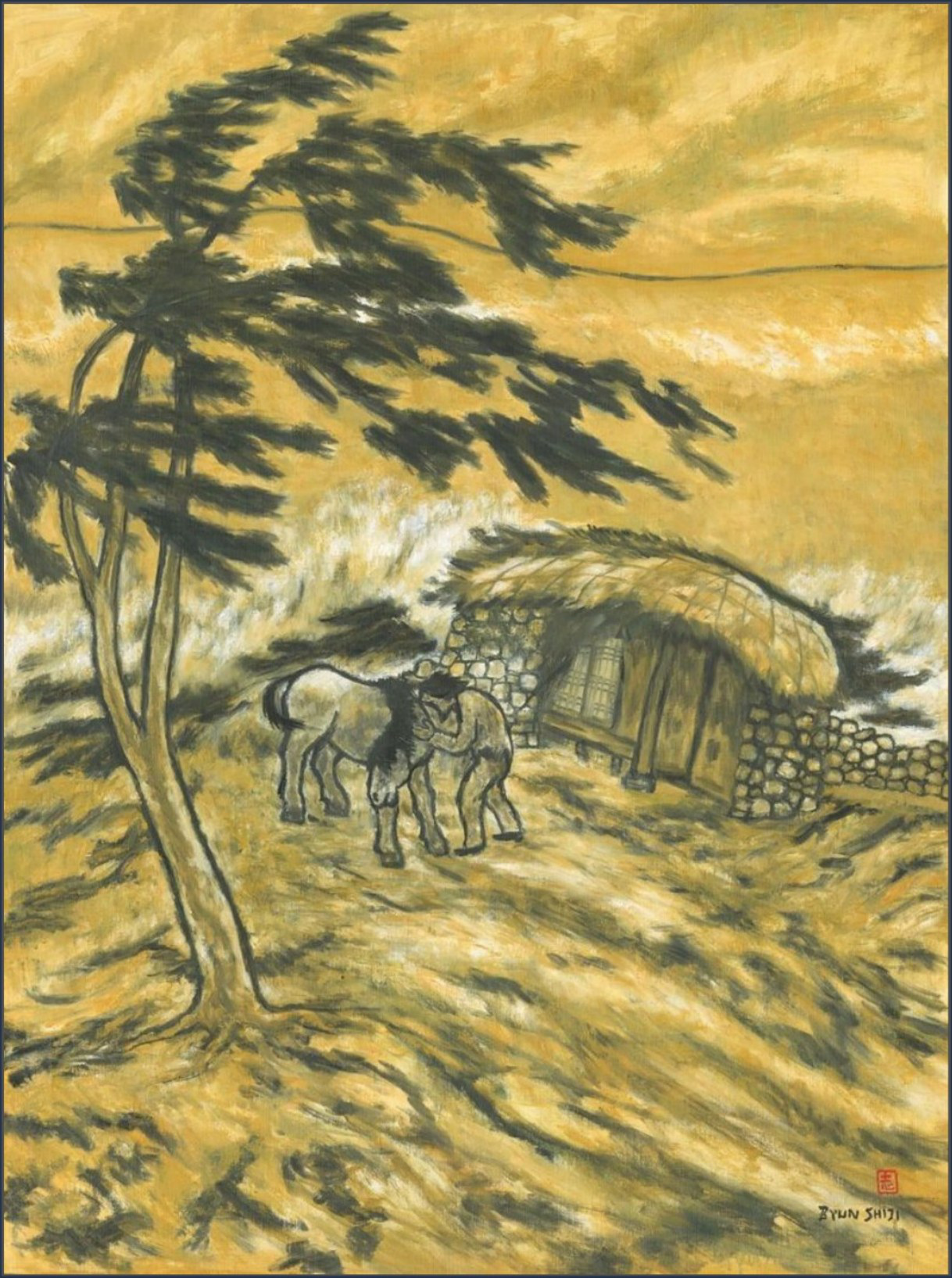
The Sea in Storm
To lie down is not to lose. It is to leave enough strength in the earth to rise again.
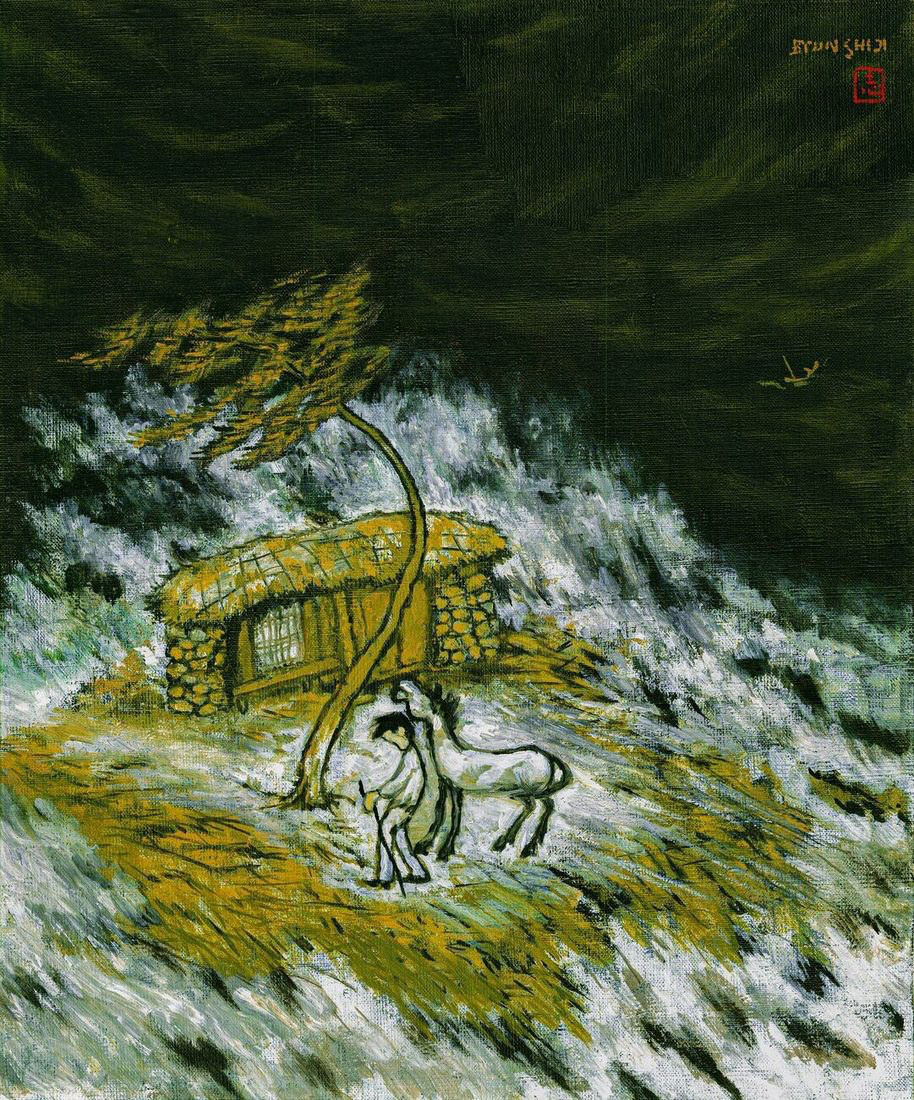
Storm
It is impossible to tell who protects whom. Endurance is borrowing one another's bodies.
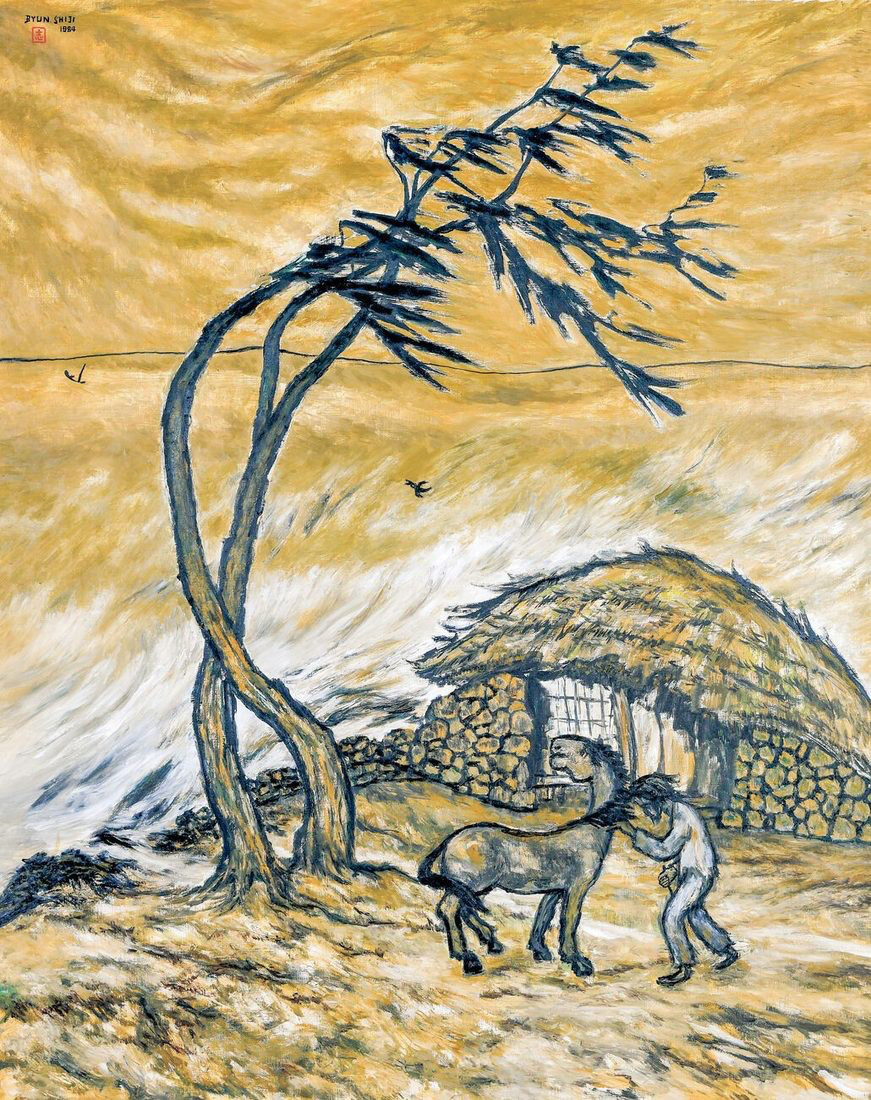
Storm
The line follows the wind rather than the contour. It releases rather than encloses.
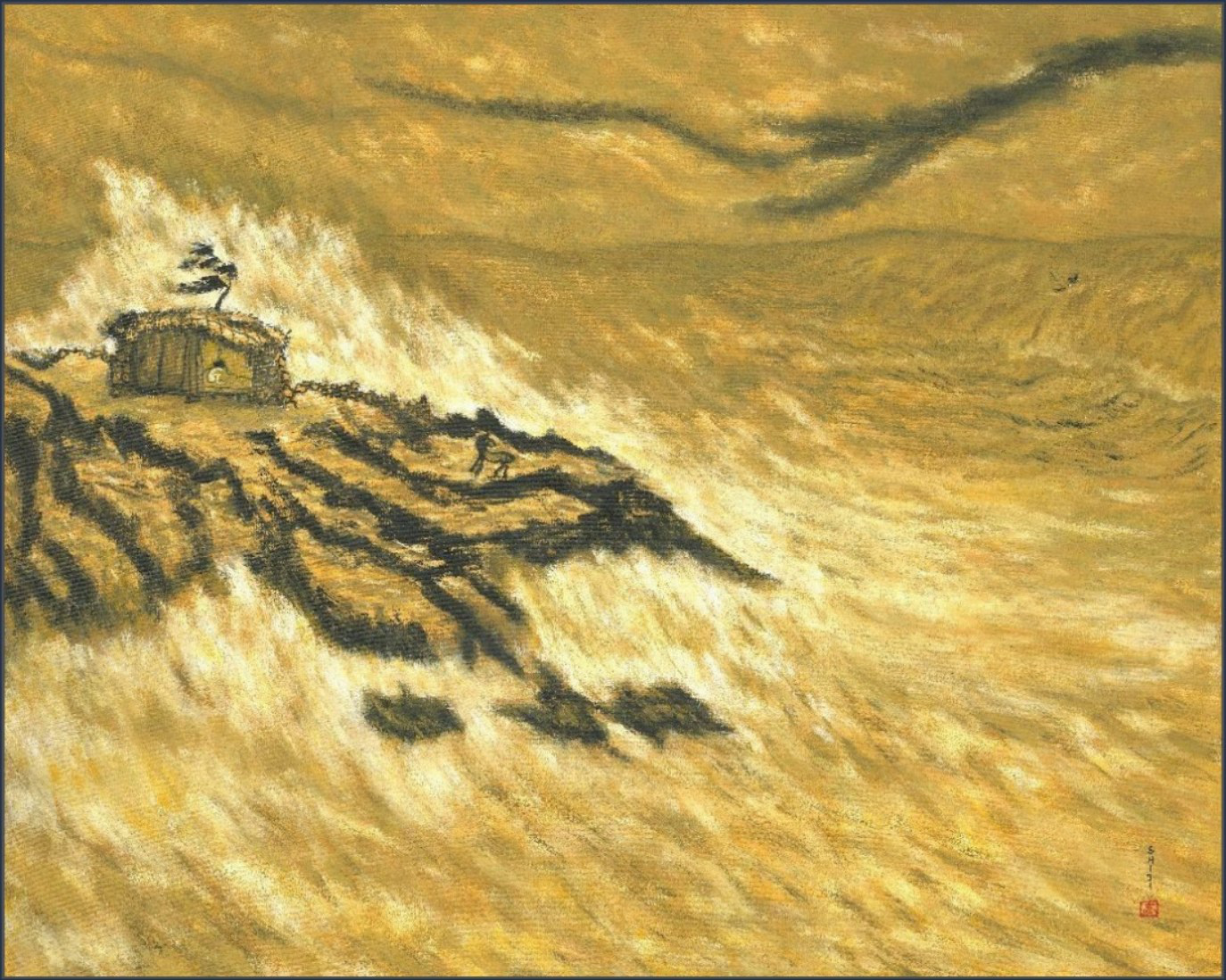
Rough Sea, Wet Sky
The greatest forces fall silent before one small existence they cannot wholly overcome.
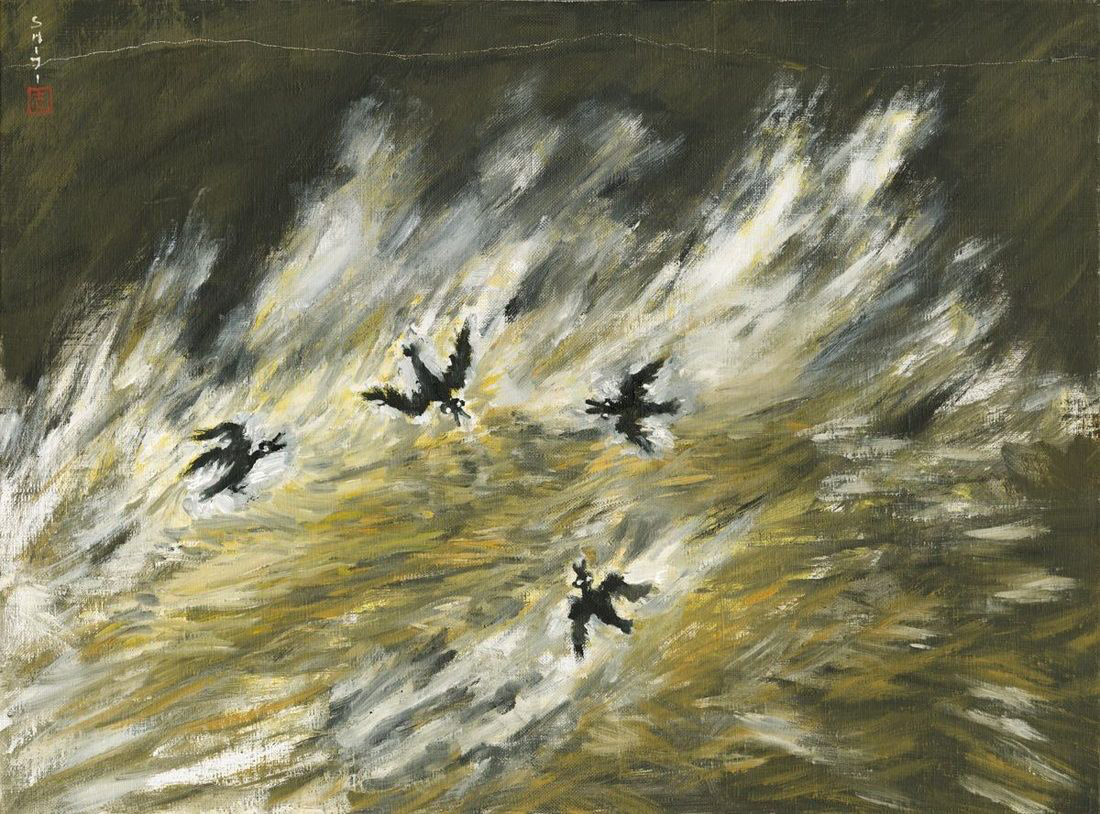
Survival 2
To bend is to resist breaking; to rise is to resist disappearance.
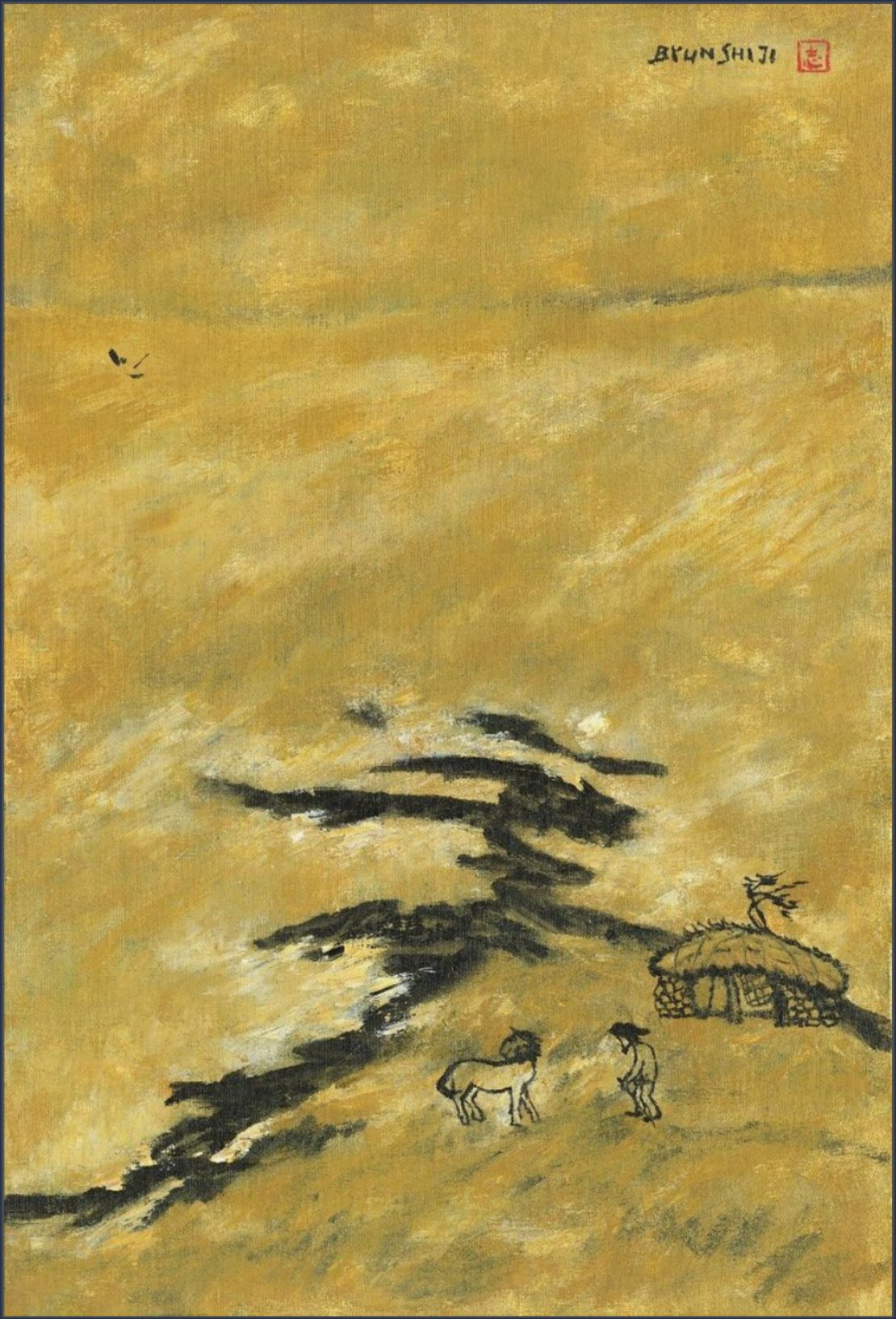
The Wavering Skiff
Endurance means sharing the wavering of a distant existence and refusing to withdraw one's gaze.
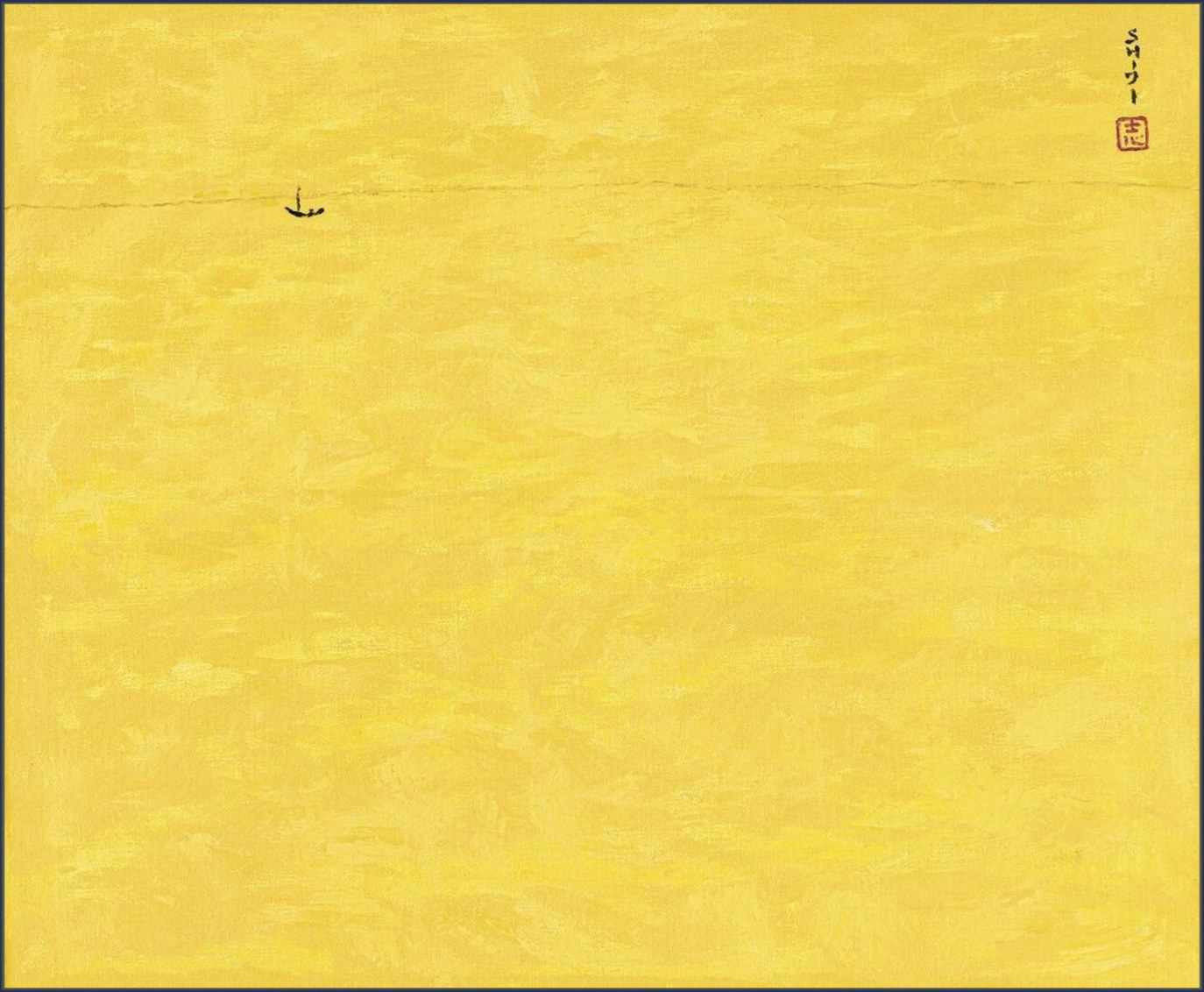
A Single Dot
When nothing more can be removed, one dot remains. The emptiest place becomes the fullest.
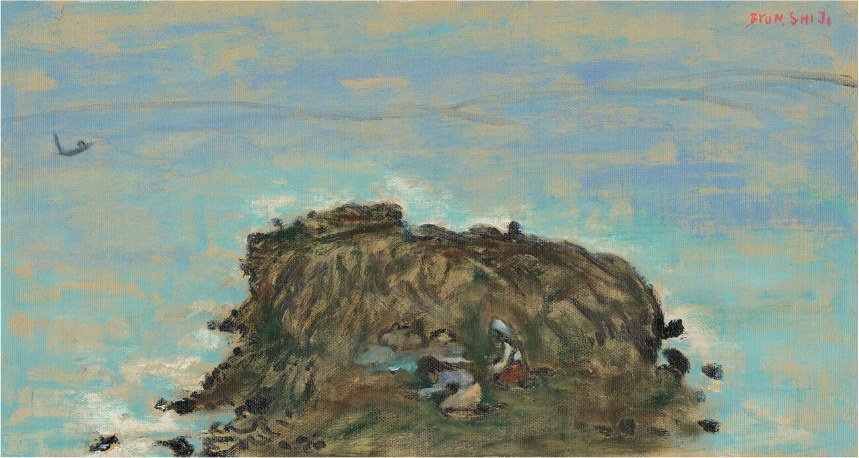
Rite to the Sea God
The prayer goes to the deity, while the heart goes to the boat. A single rite binds those who leave and those who remain.
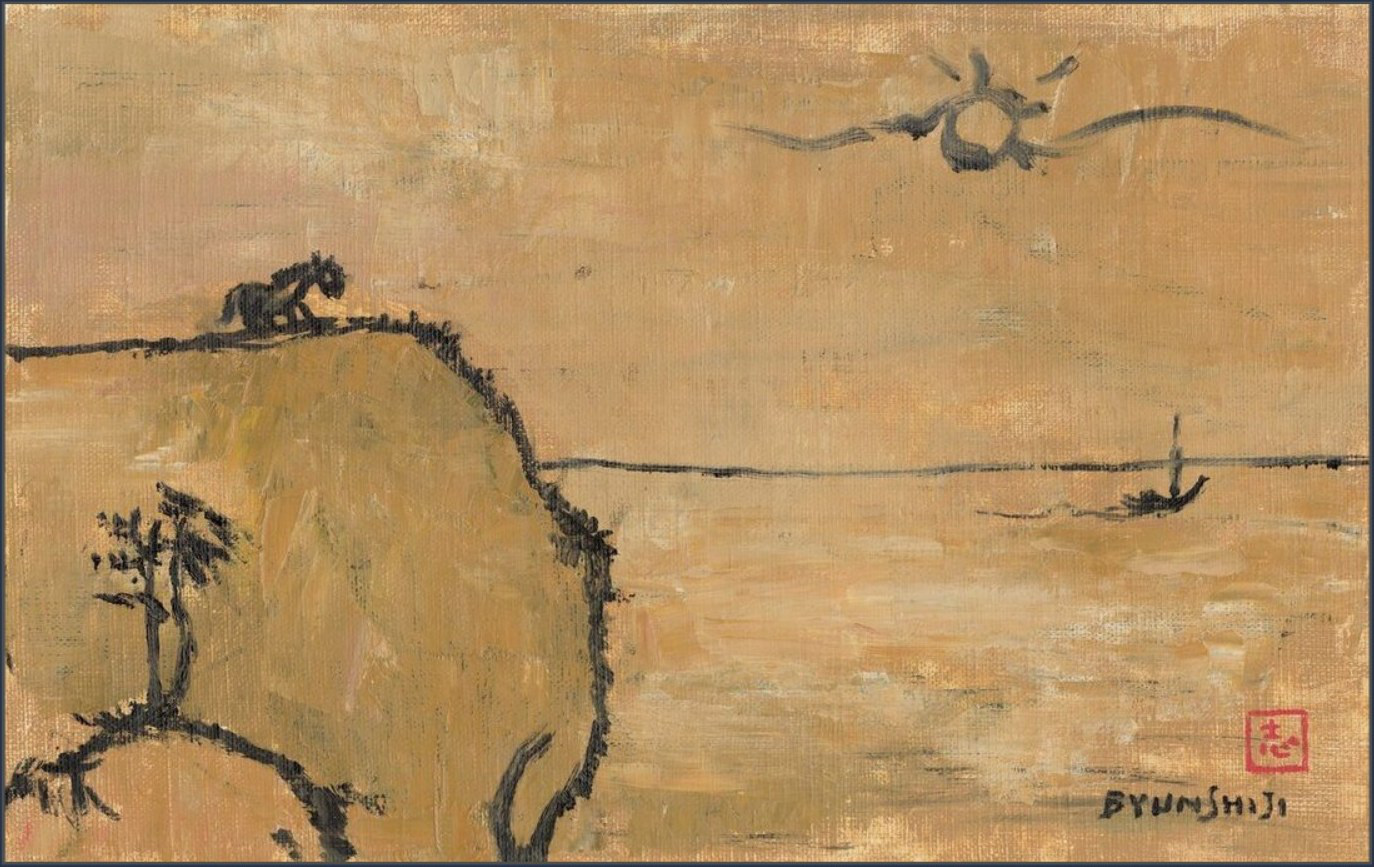
The Cliff's Edge
To paint dried-grass colour is to call Jeju into the work. Colour reveals fūdo rather than covering scenery.
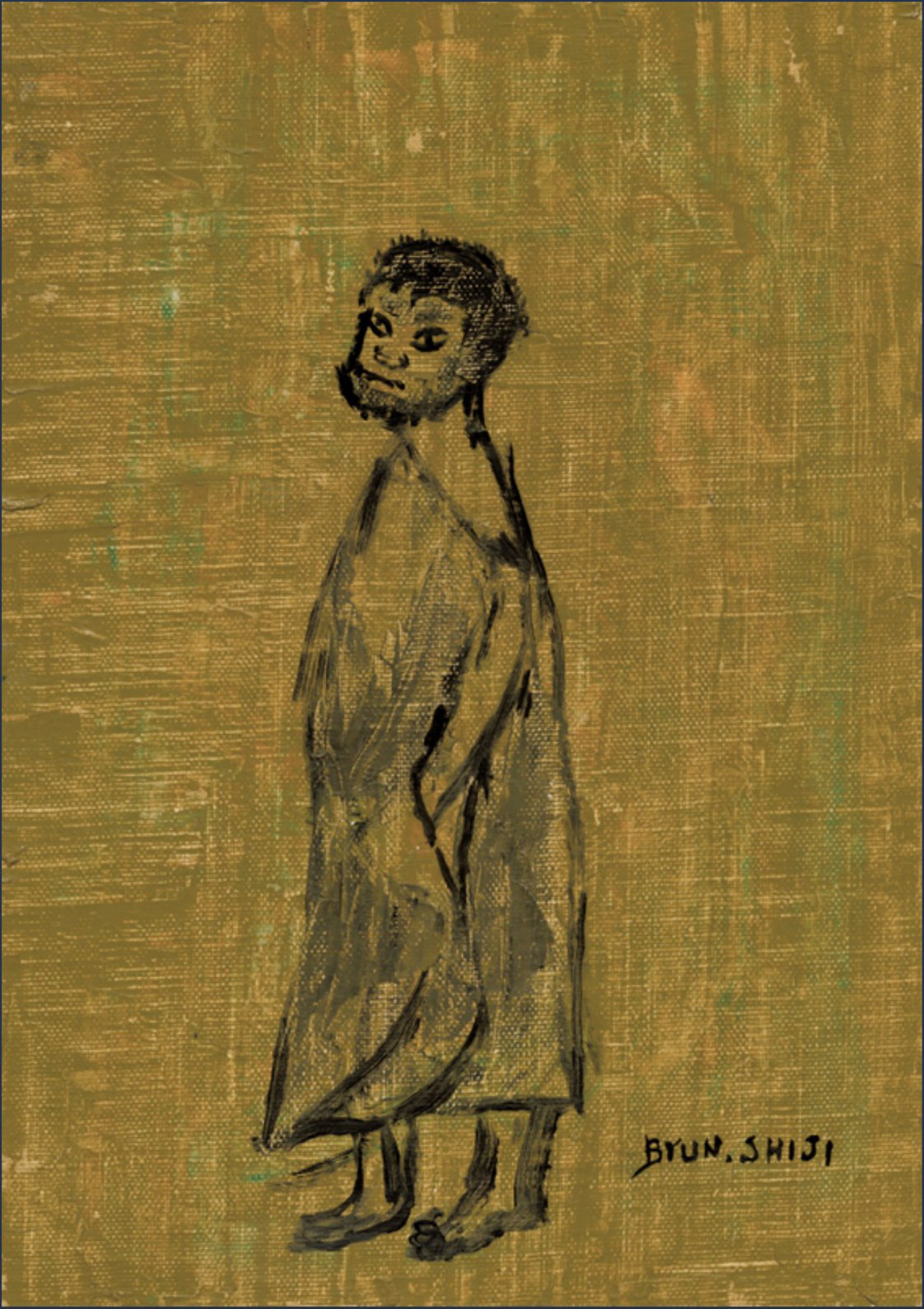
The Beggar
The wind calls him a beggar, yet he is one who has passed through wind and cloud, light because he owns and risks little.
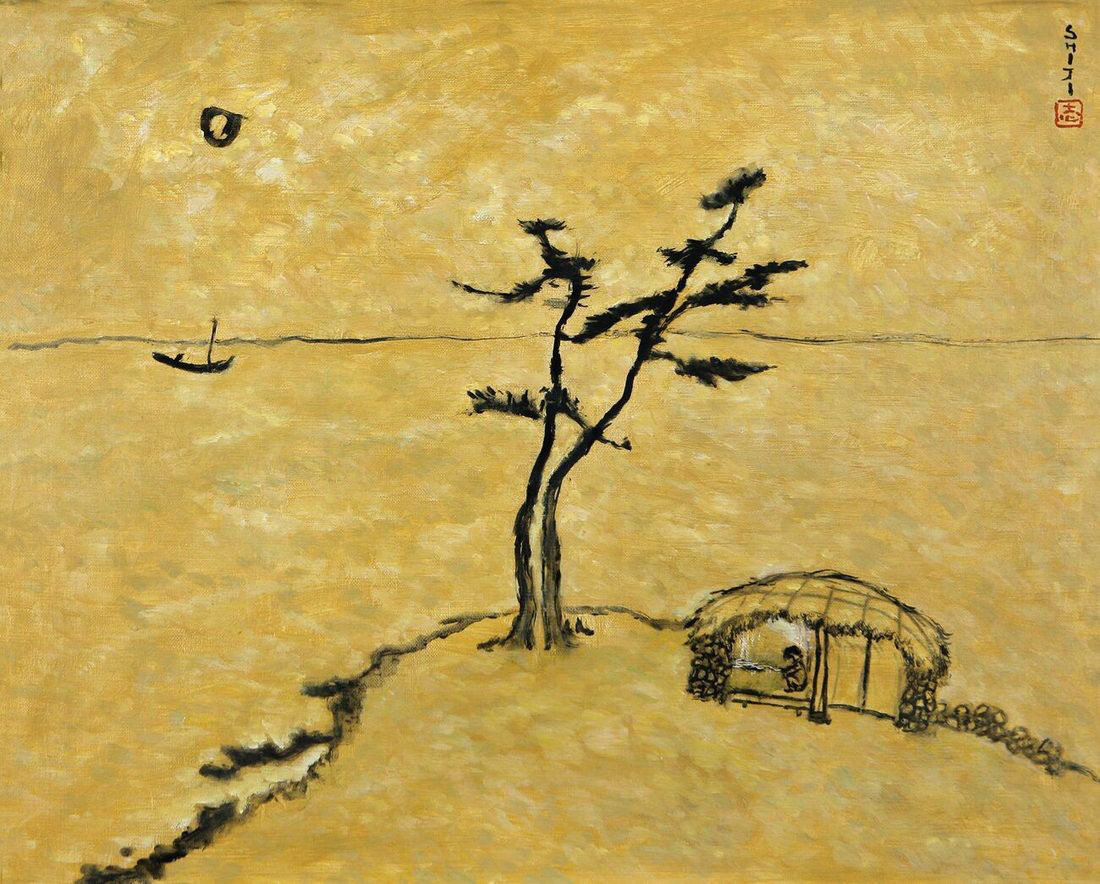
Living Alone
Living alone is not severance from the world, but a place of dwelling deeply with oneself.
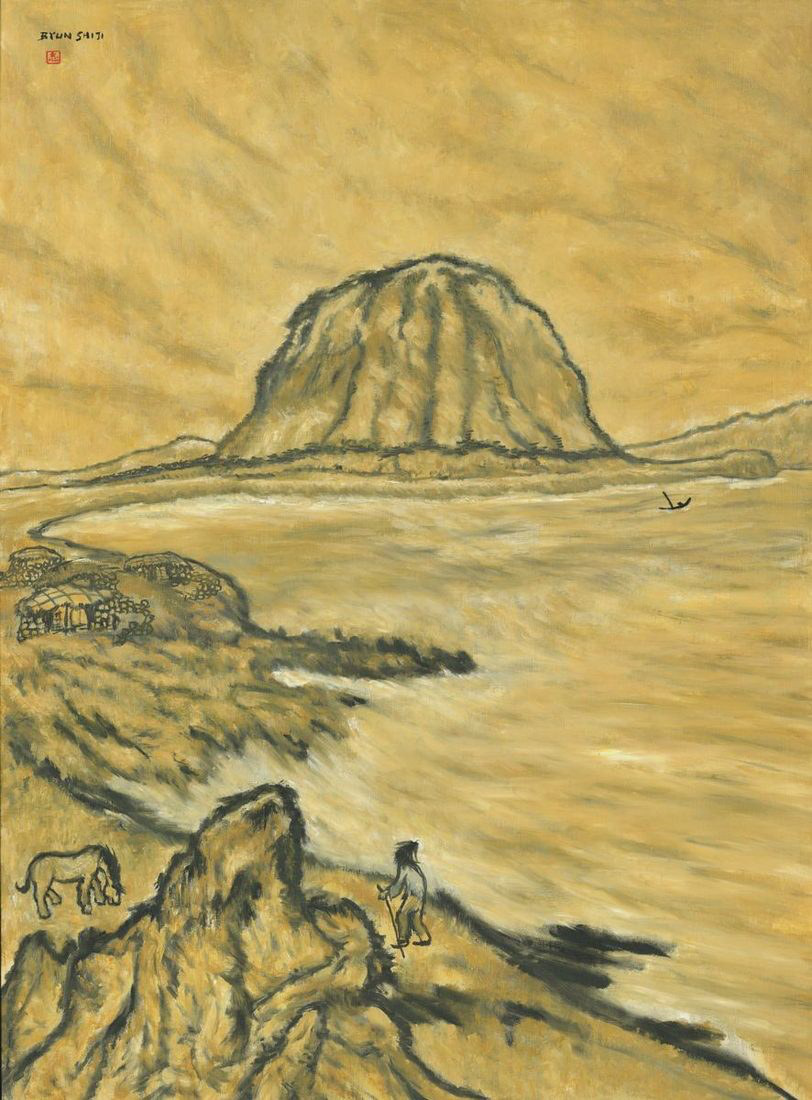
Mount Sanbang
Form emerges through endurance; it is the mark left by endured time.
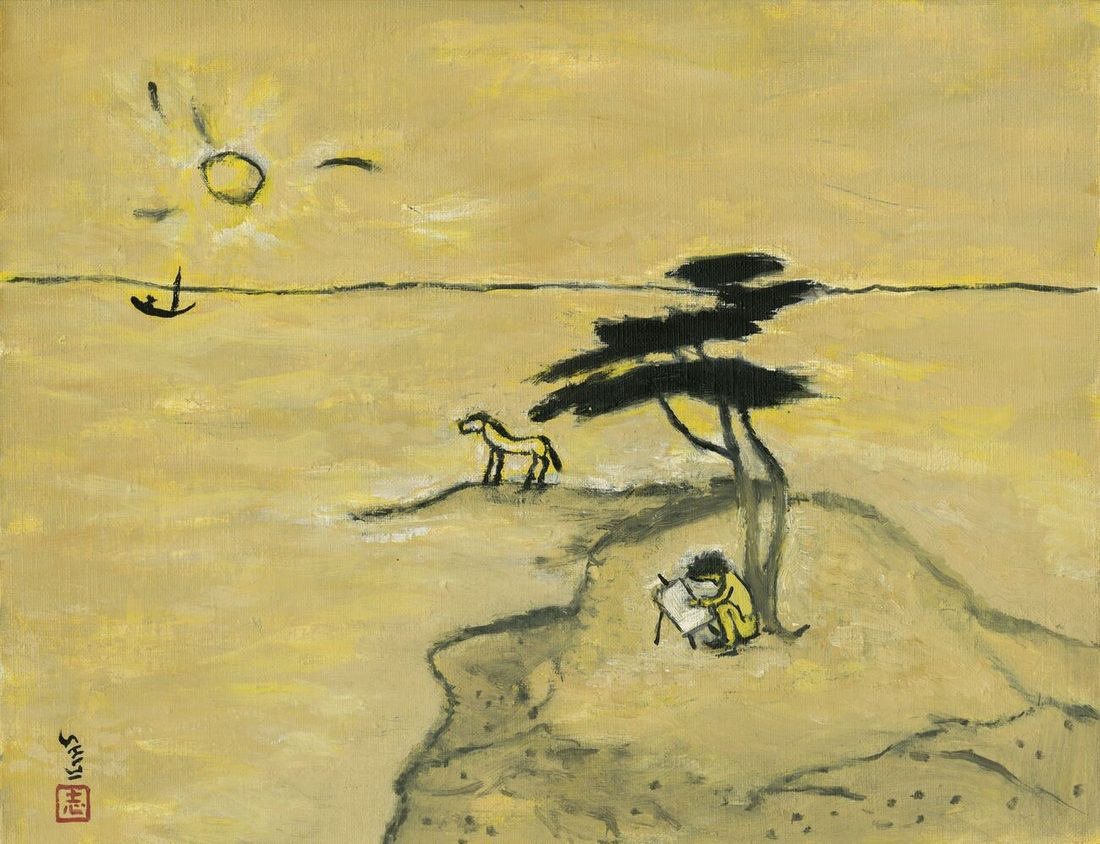
Absorption
After distance, withdrawal, and emptiness, peace was the light settling upon one unoccupied patch of earth.
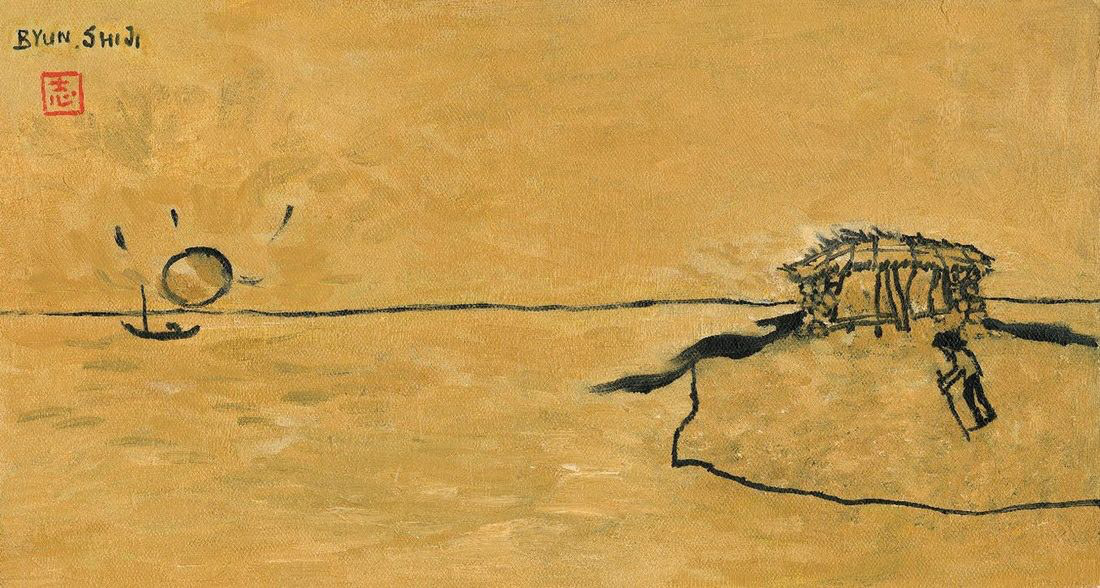
The Departing Boat
A person no larger than a dot governs the image; the smaller the dot, the deeper the solitude.
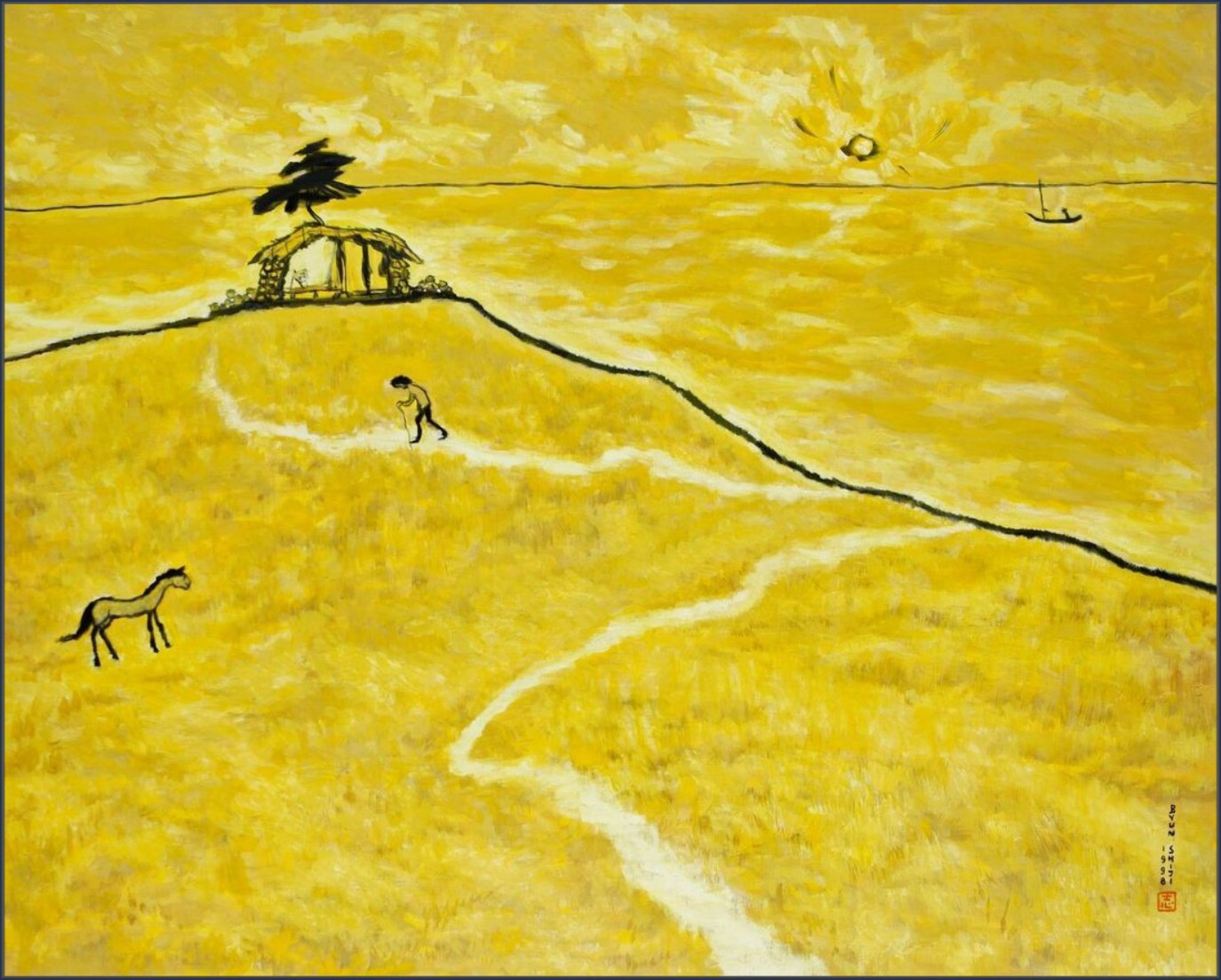
The Path Rejoined
The line thins almost to breaking, then joins again. An entire life can enter a single line.
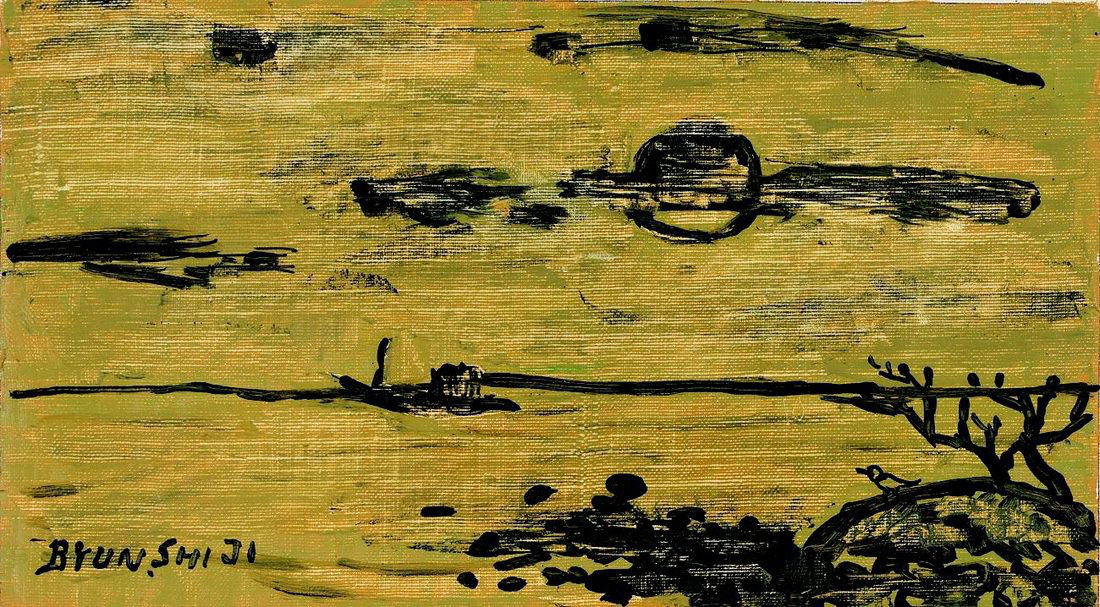
Moonlit Night
The moon lights the night as though unable to look directly. Sorrow does not disappear when the eyes are covered.
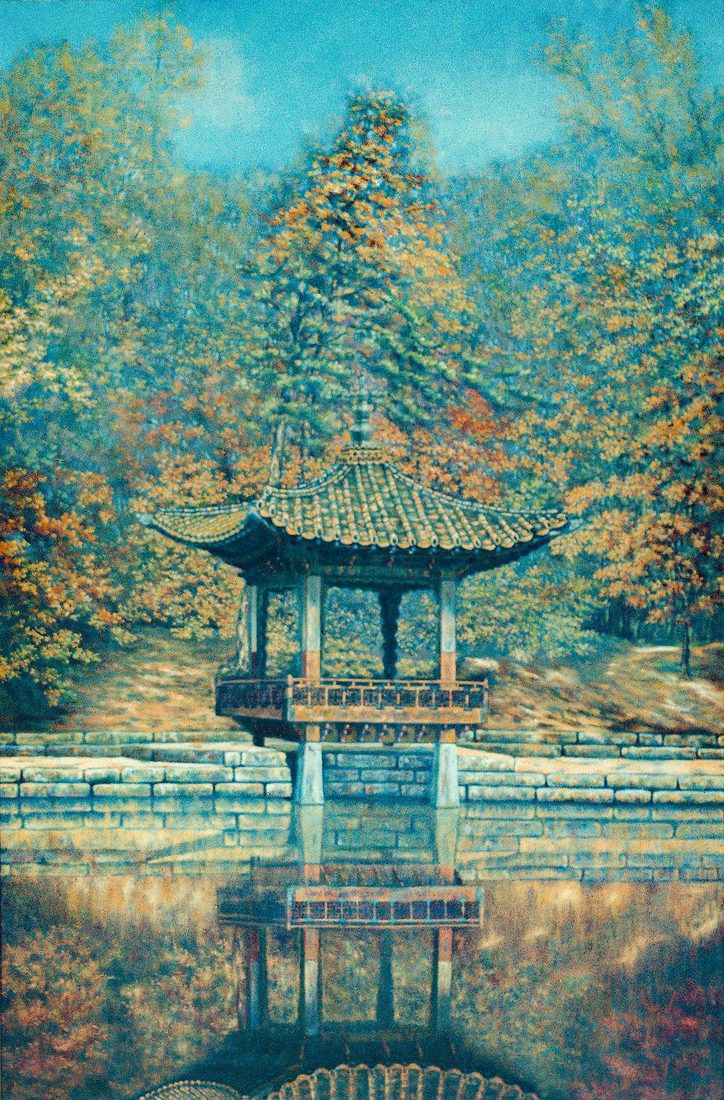
Autumn at Aeryeonjeong
Splendour is put down one colour at a time. Only one who possessed abundance could choose to relinquish it.
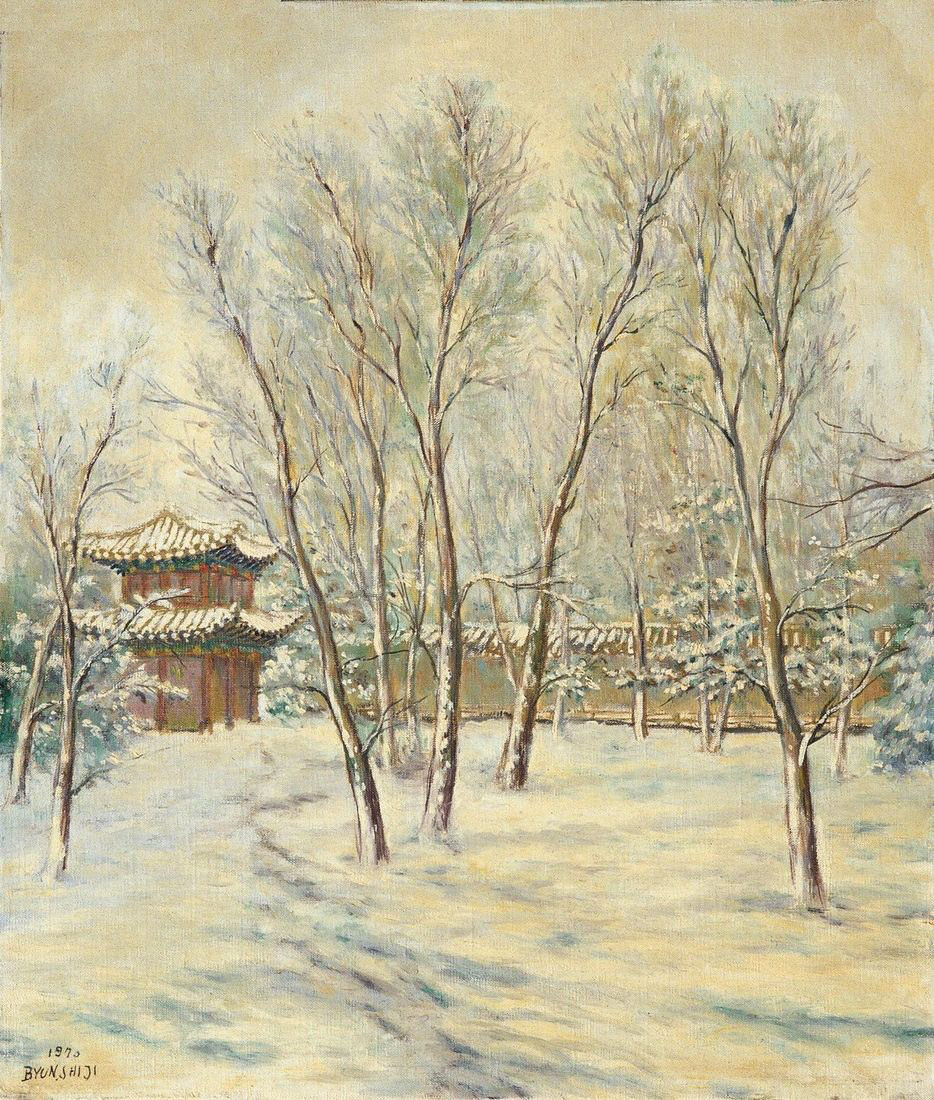
Changdeokgung Palace
The work stands at a passage from academic representation to fūdo, from form toward existential posture.
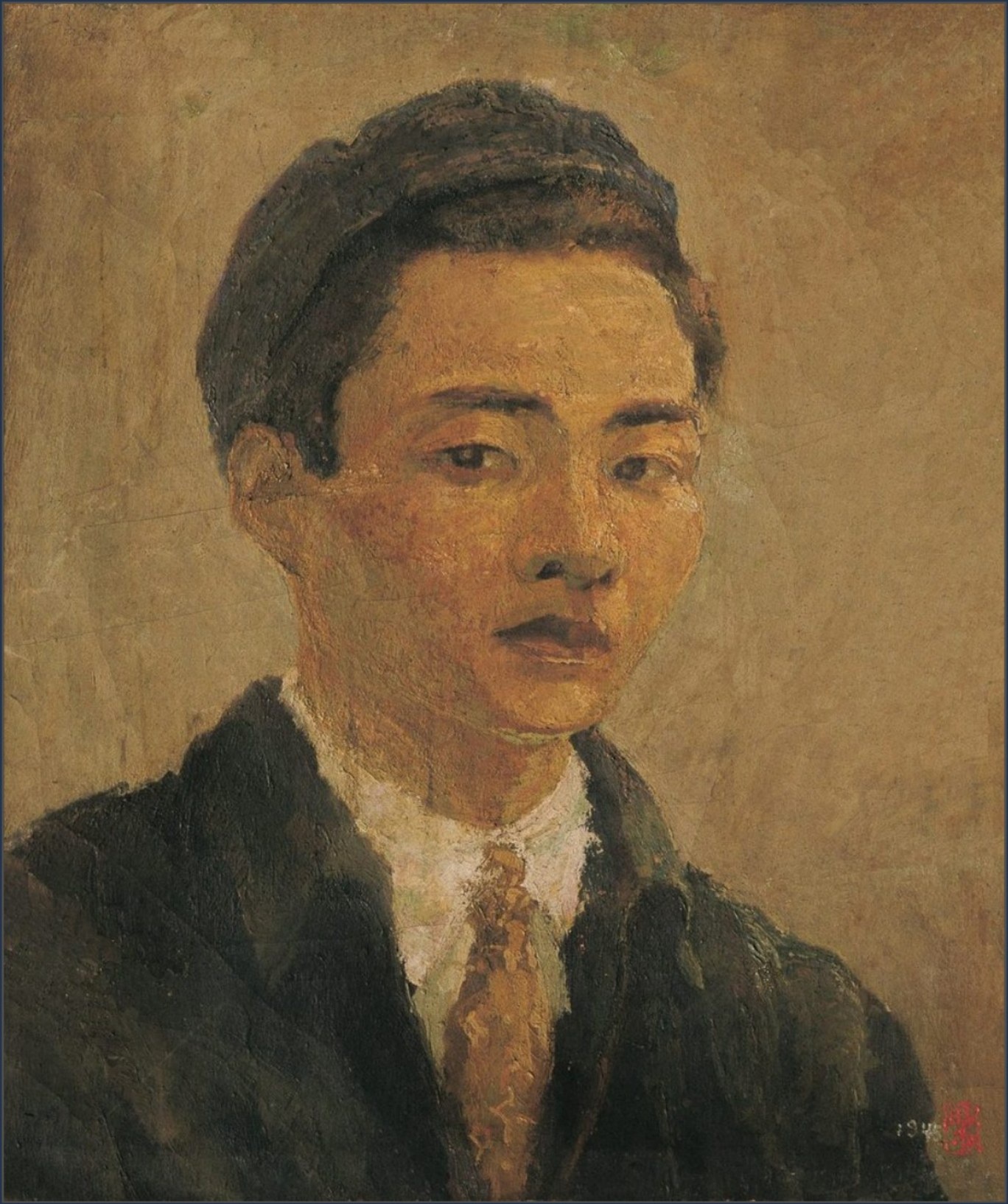
Self-Portrait
Between the place left behind and the place not yet reached, the young painter establishes himself through the brush.
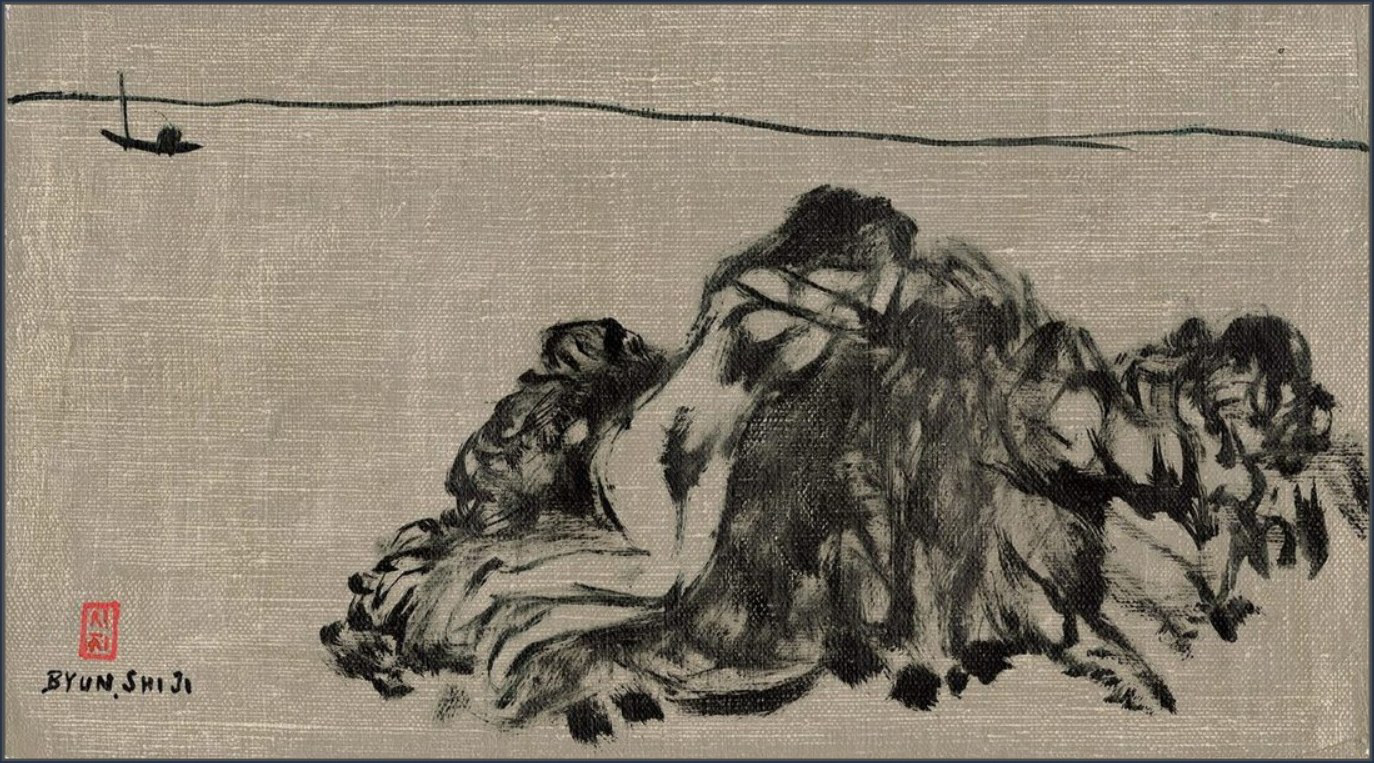
The Sea Is the Haenyeo's Tears
Faded colour is not empty. To look for a long time is to discover an old cry within it.
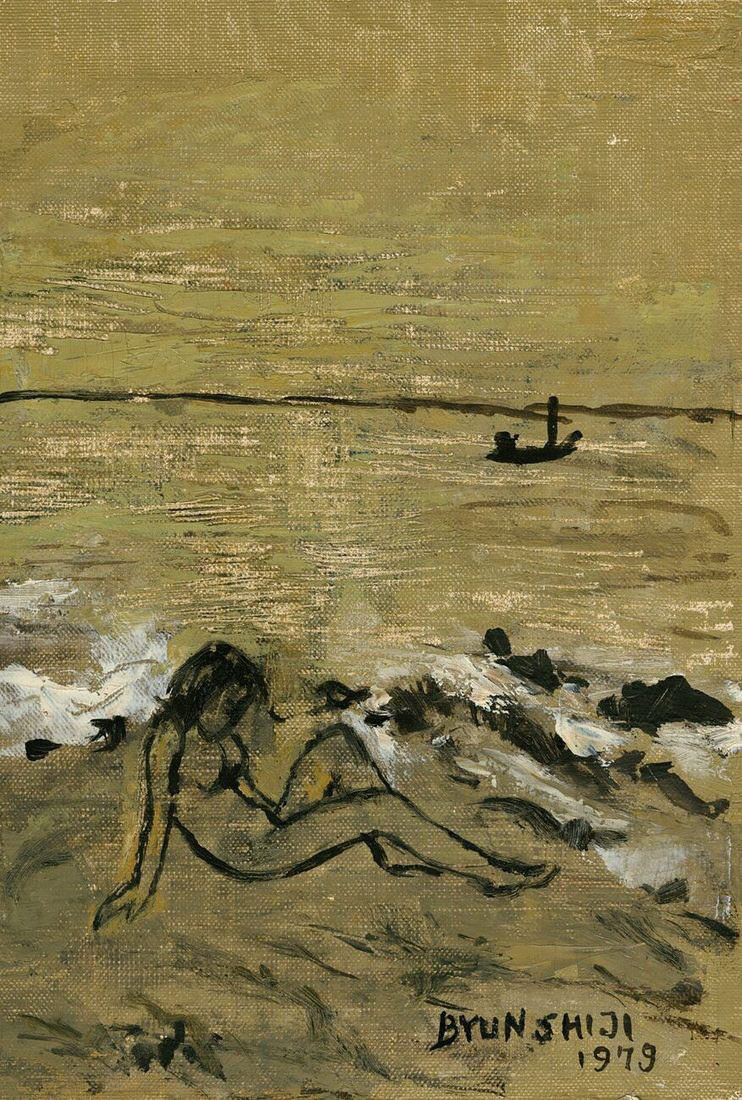
Haenyeo
Depth does not come from darkness alone, but from long endurance and weathering.
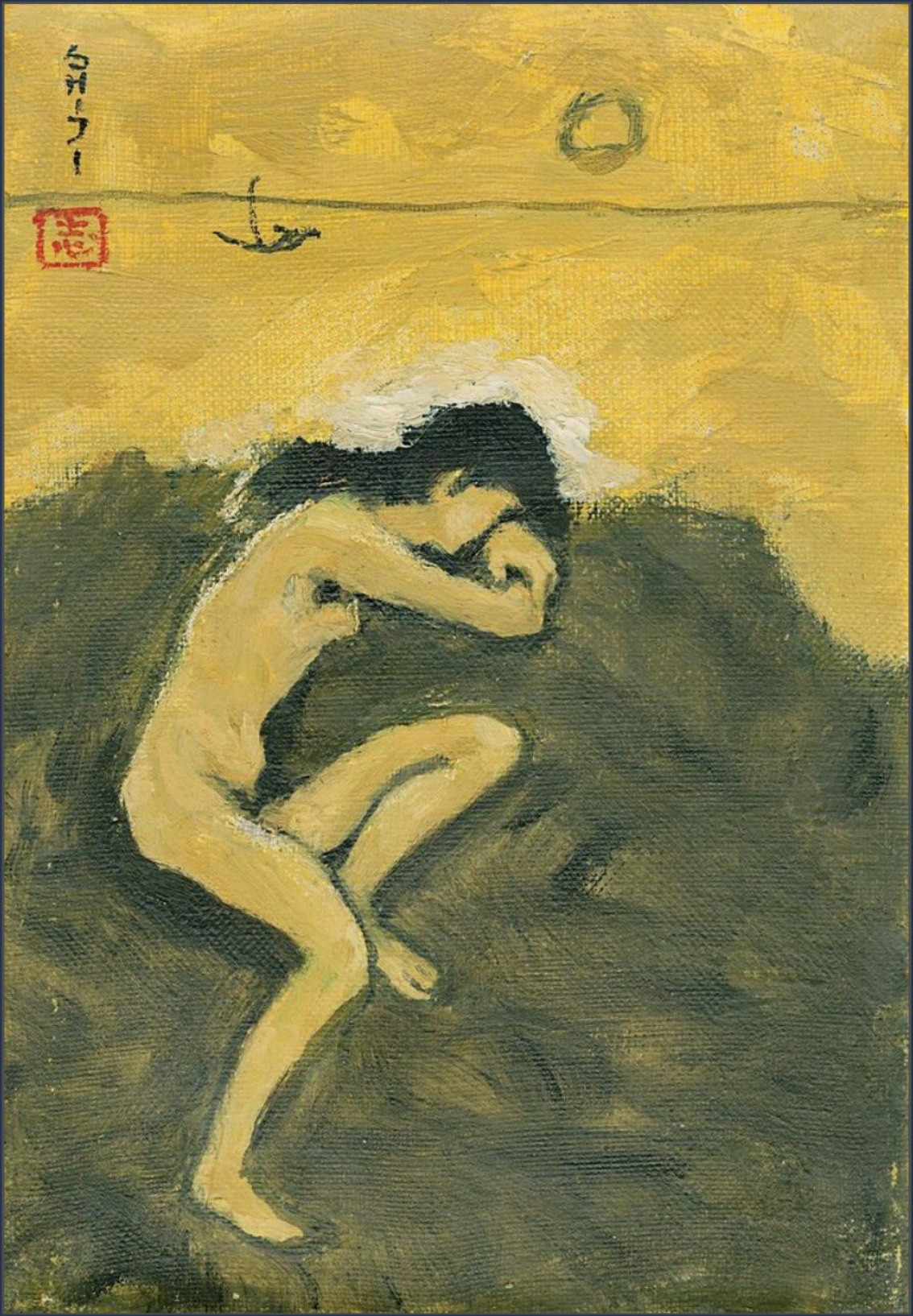
The Sea Is the Haenyeo's Tears
The blue sea endures until it fades yellow. The sea becomes the tears of the haenyeo.
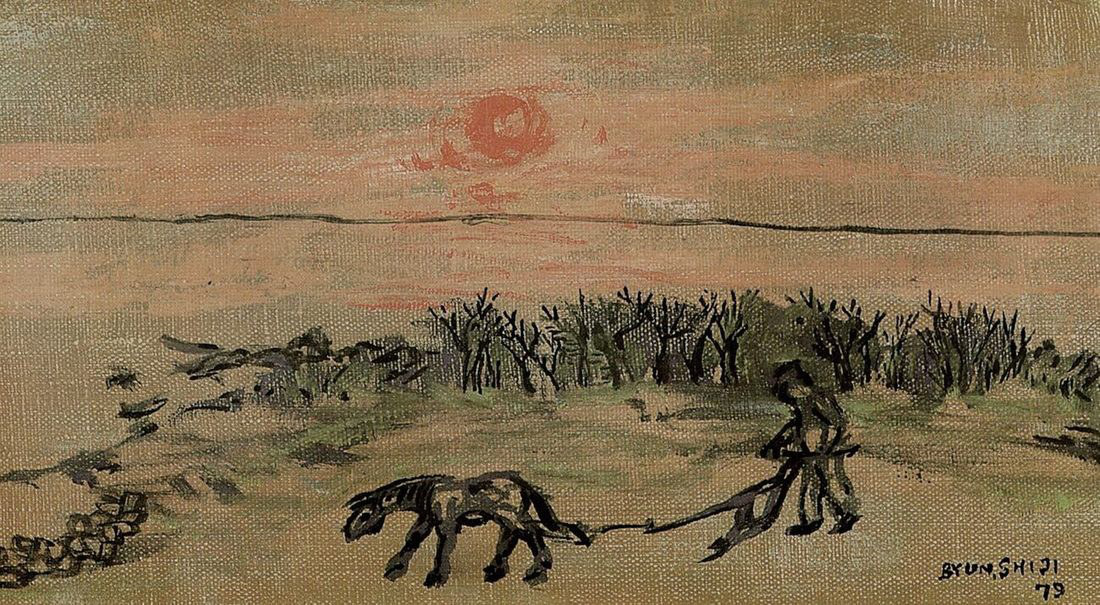
Plowing
Dried-grass colour is the living colour that remains after life has endured for a long time.
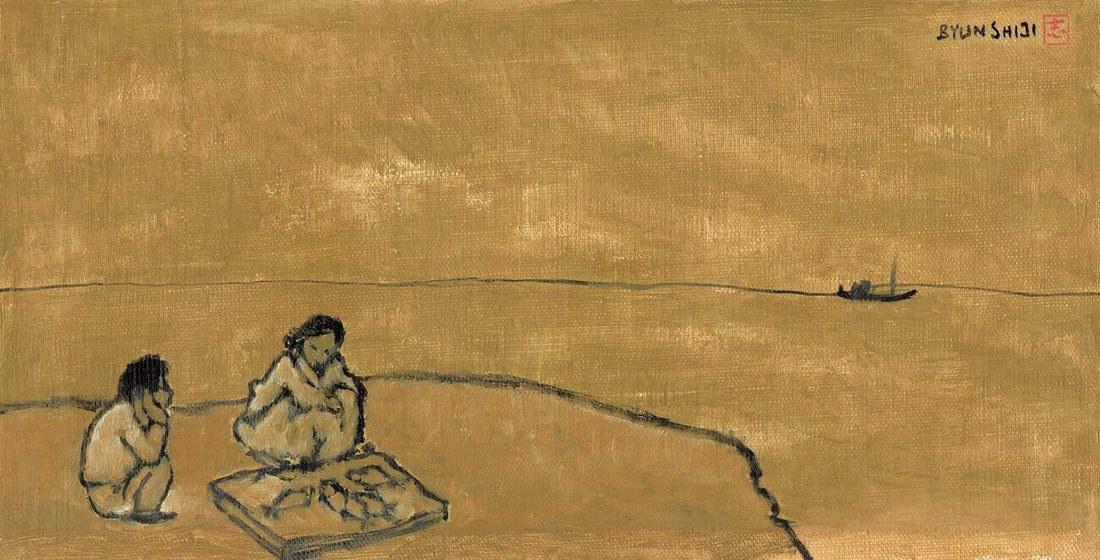
Mother and Fish
The horizon is the distance between mother and father: unreachable, yet unbroken.
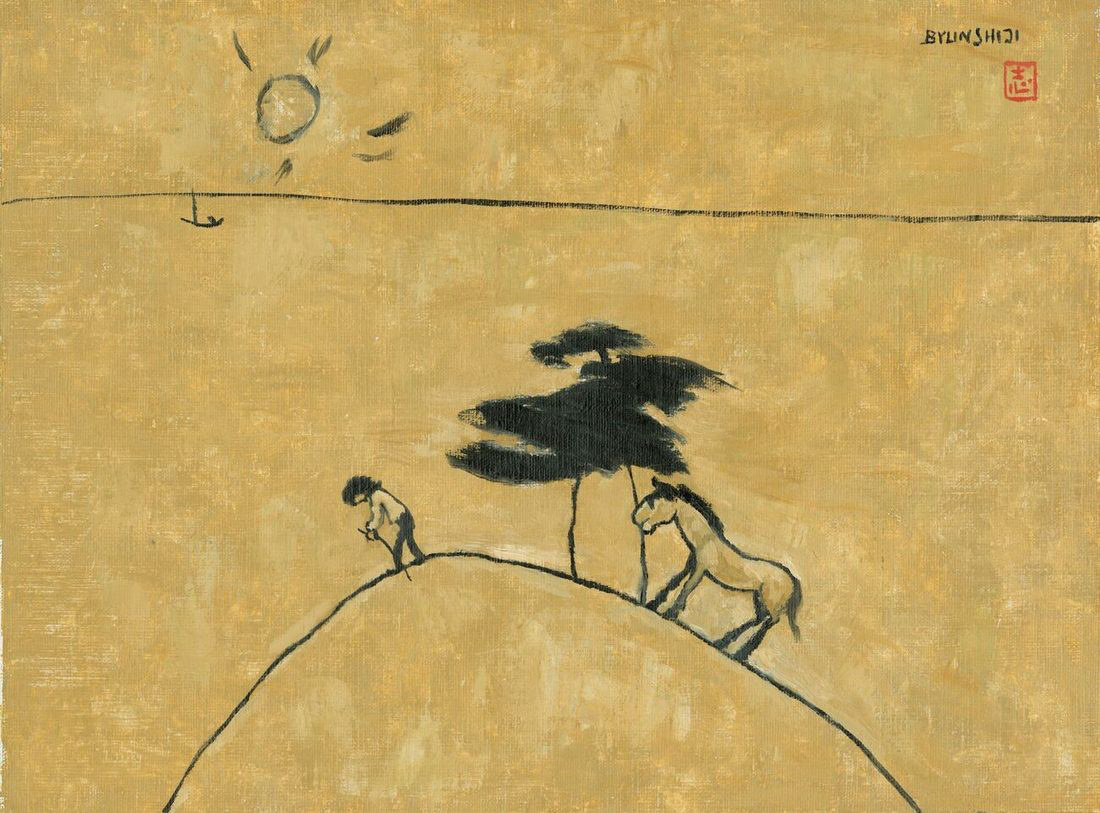
Oreum
The summit is not a place to remain. An ascent is completed by descent.
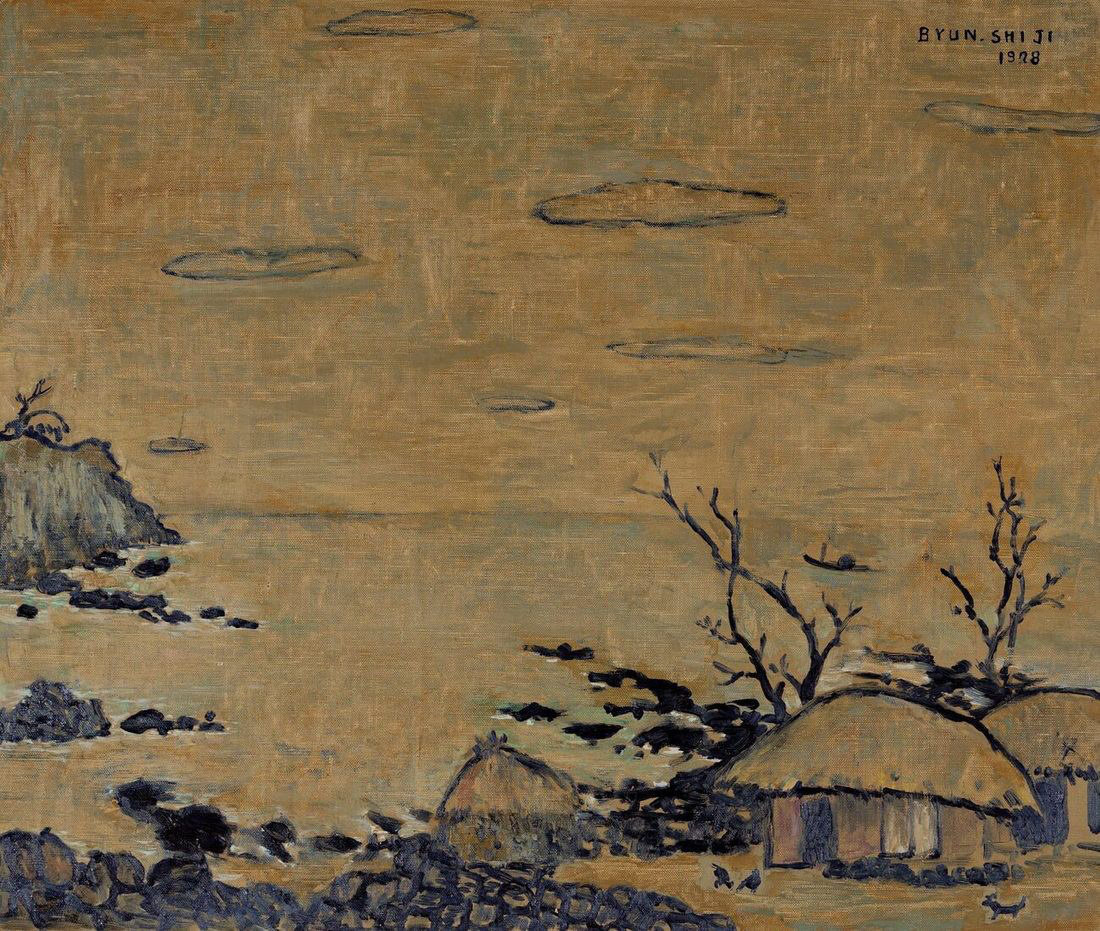
Sea Village
A sea village is where sea and land divide the work of sustaining life.
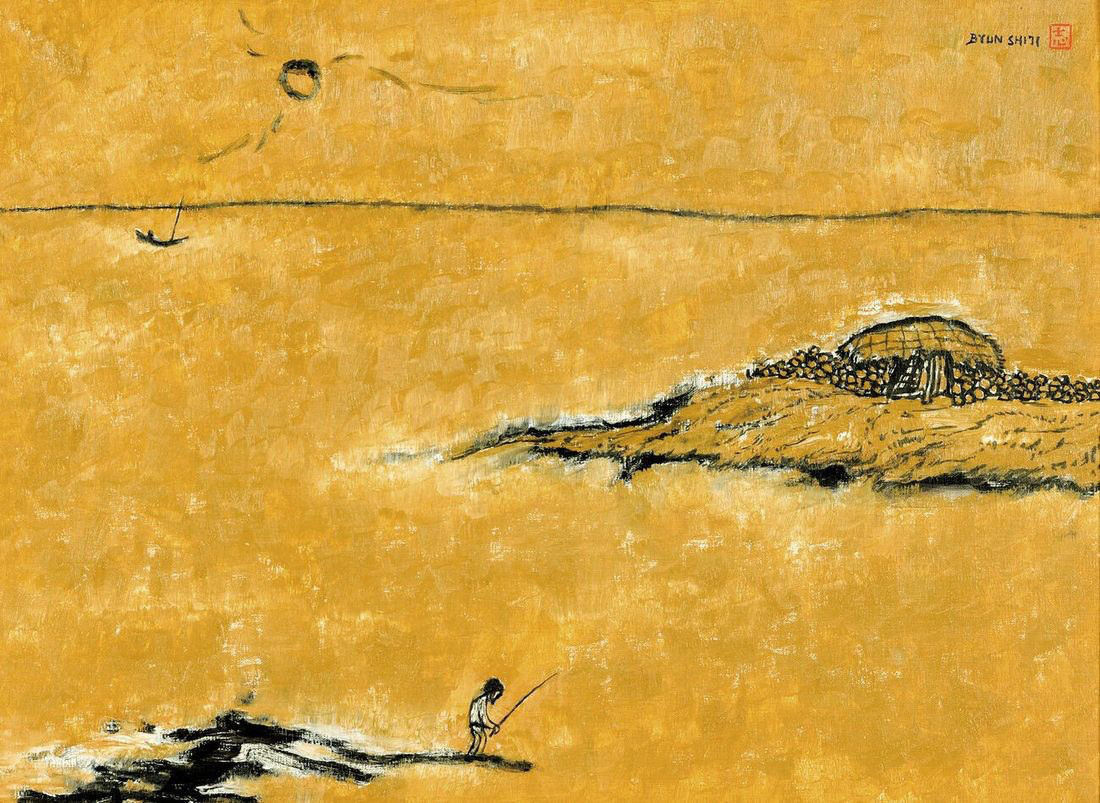
Sea Village
The departing boat and remaining house bind maritime and terrestrial life within one fūdo.
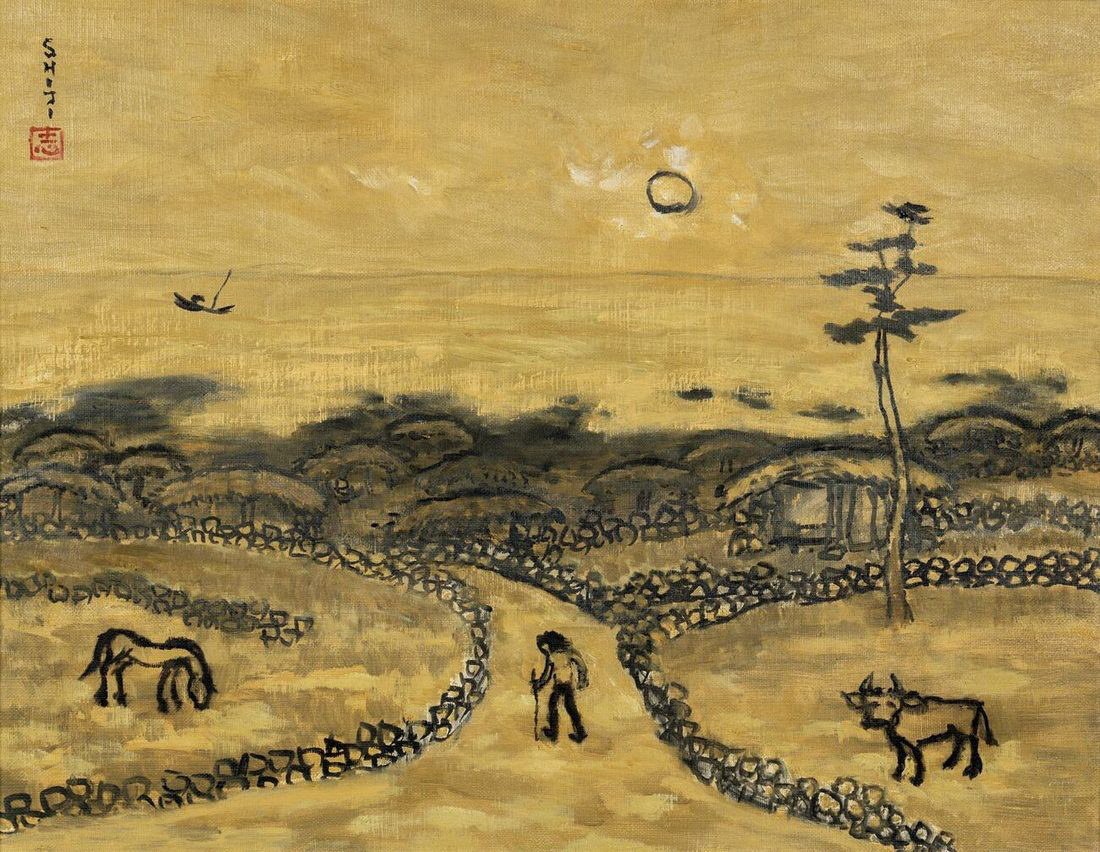
Sea Village
One can leave because someone remains; one can return because someone keeps the place.
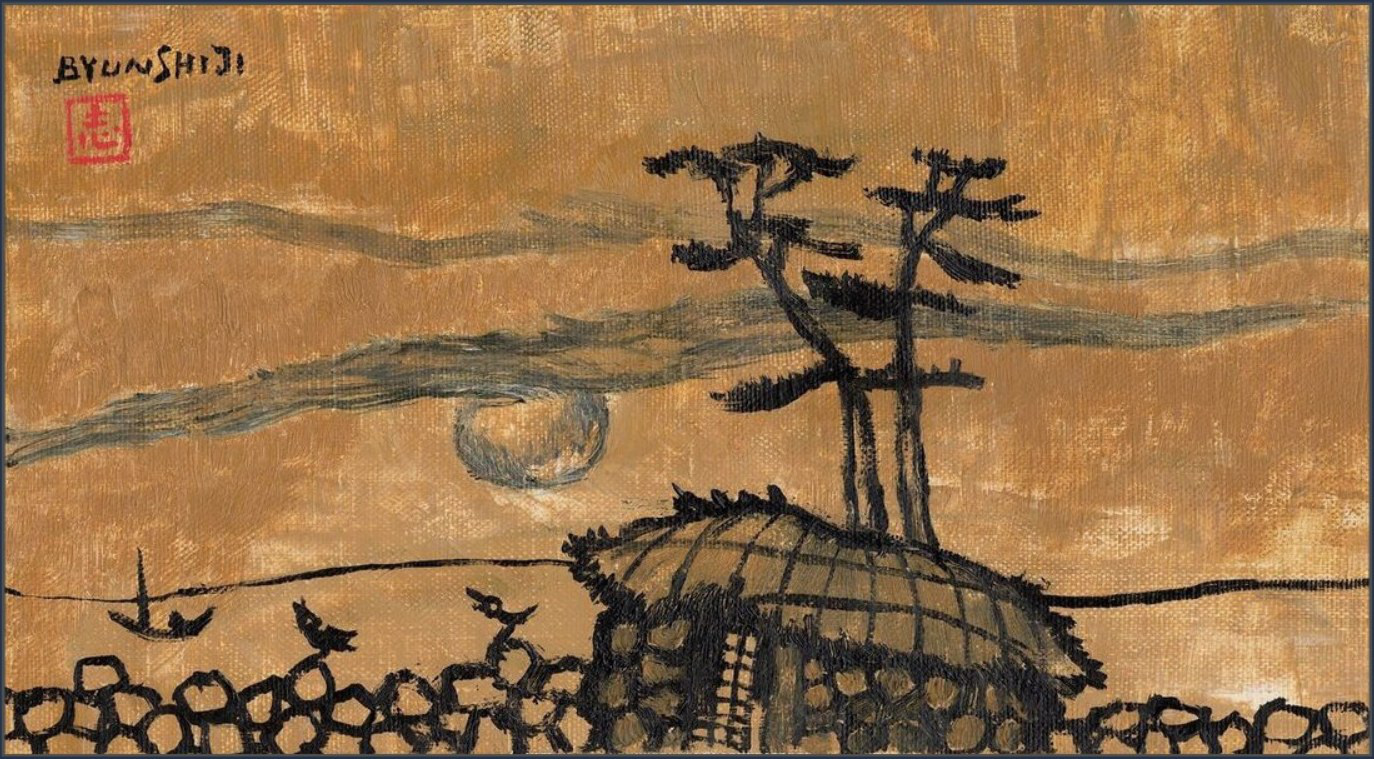
Thatched House by the Shore
Waiting is the refusal of those who have companions to forget the one left alone at sea.
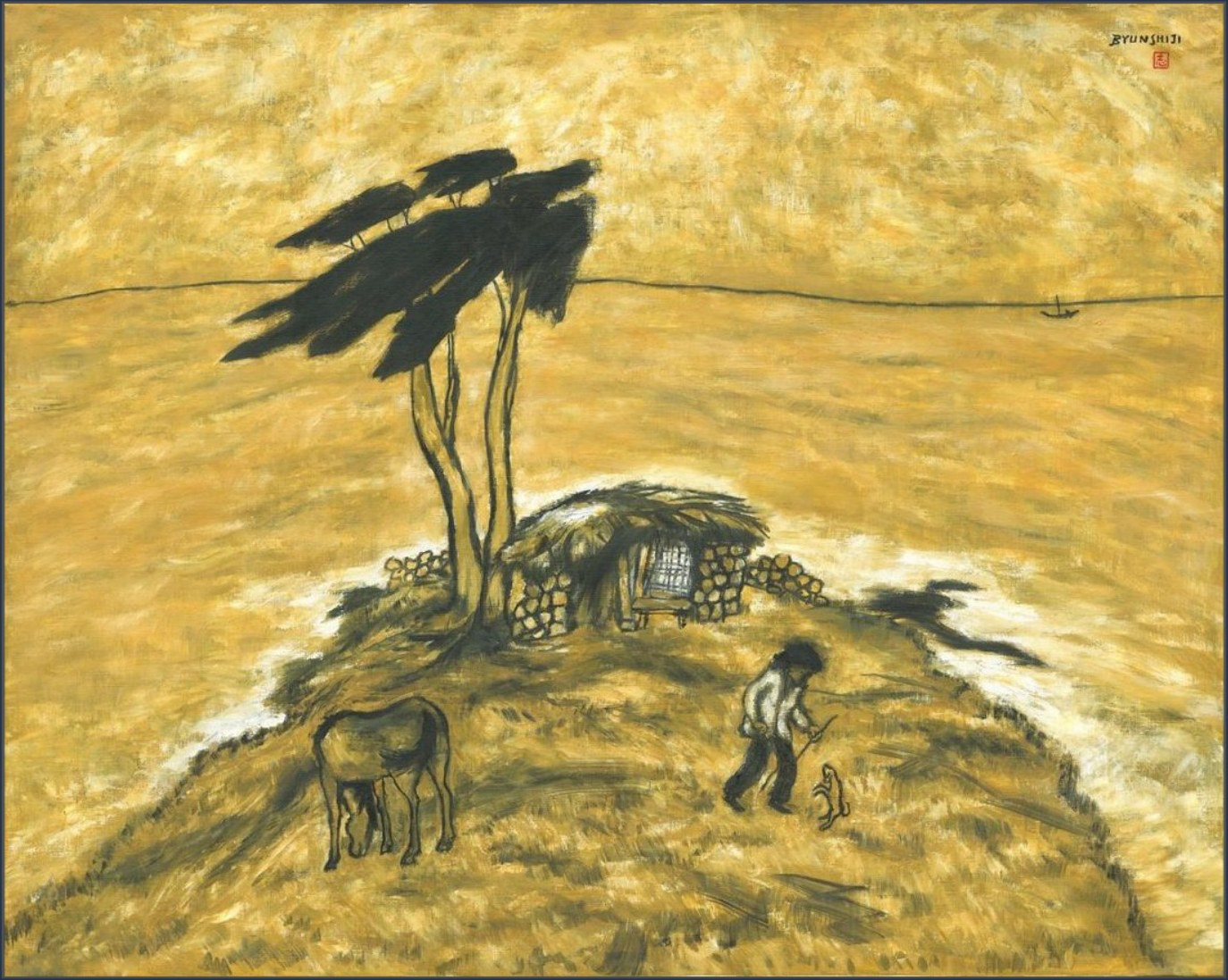
The Sea of Jeju
Everything on the rise inclines toward the others. It is a warm place to which the distant boat may return.
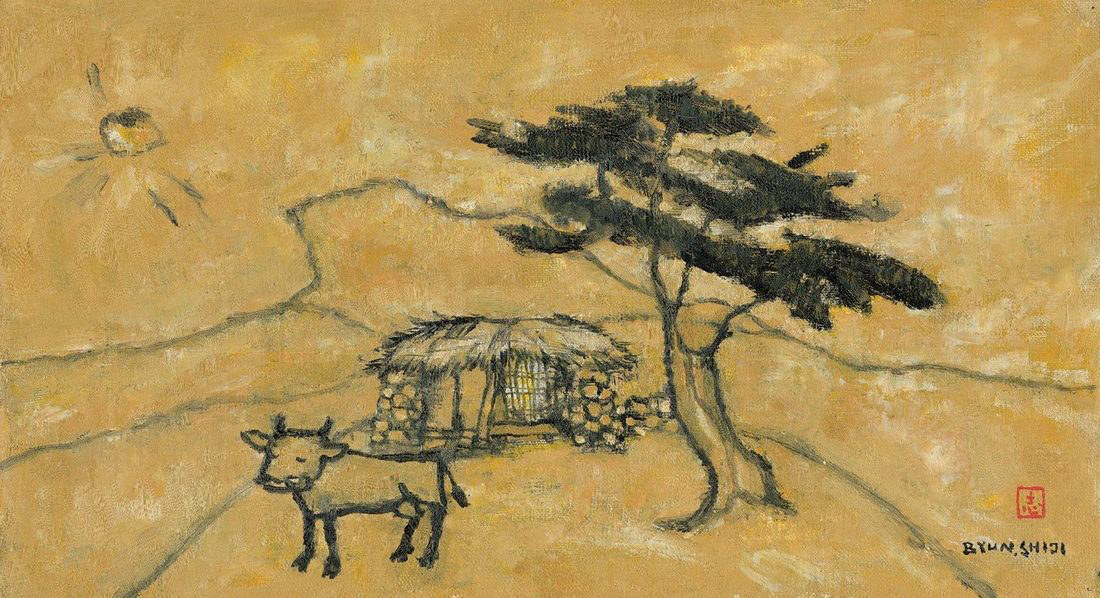
Landscape with an Ox
This is not an abandoned house, only a house briefly unoccupied: an ordinary noon without departure or farewell.
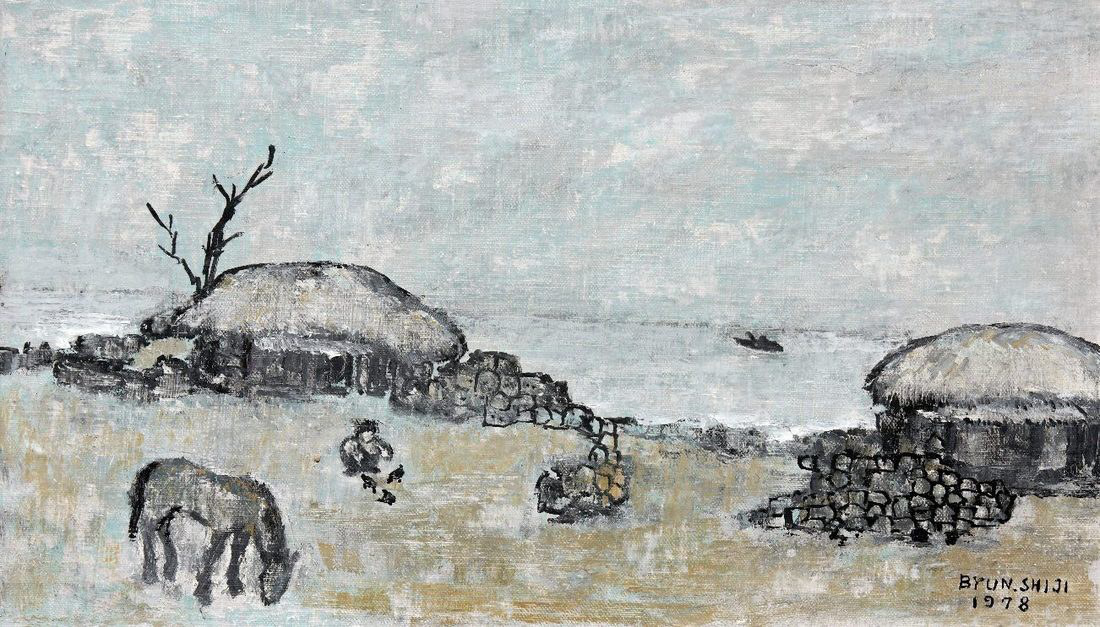
The Shore and the Pony
The closer the bond, the fewer the words. This quiet is the everyday life of Jeju.
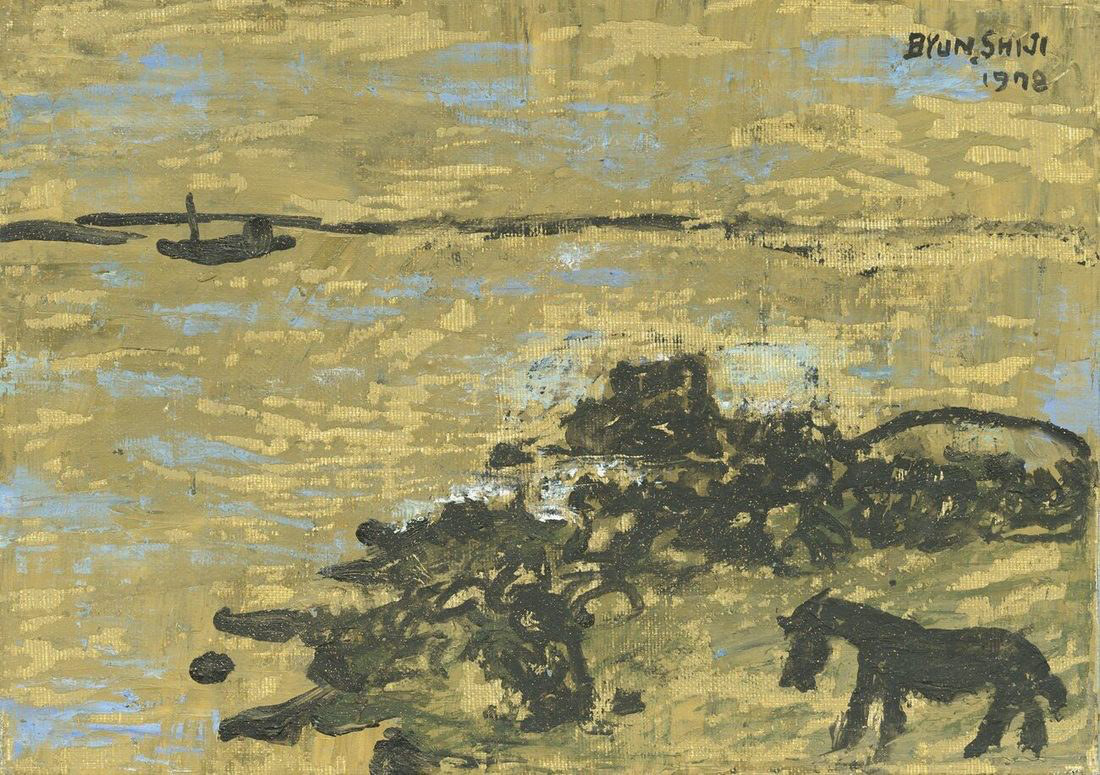
The Shore and the Pony
Dried-grass colour is not nature's surface colour, but the colour left by life exhausted through waiting.
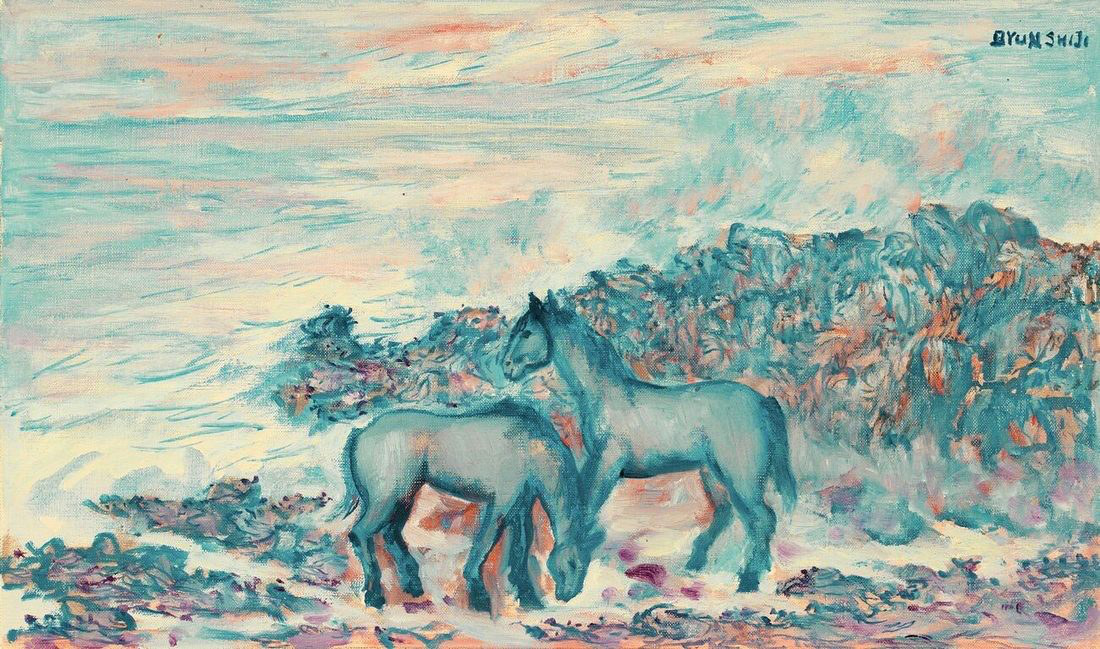
The Pony
Soon this colour will settle into dried-grass colour and warmth into solitude. The two ponies stand leaning toward each other.
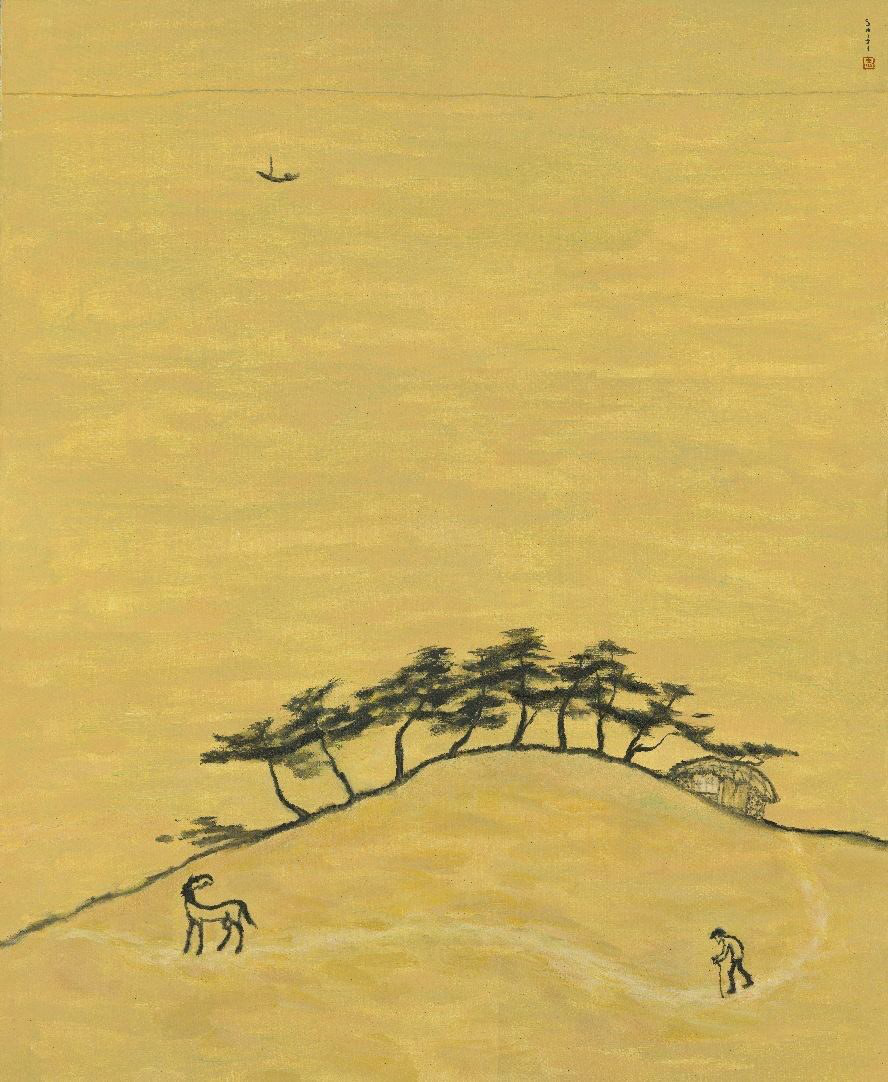
Going On as It Is
The old man seemed to walk alone, yet the horse, staff, boat, and entire landscape were carrying him forward.
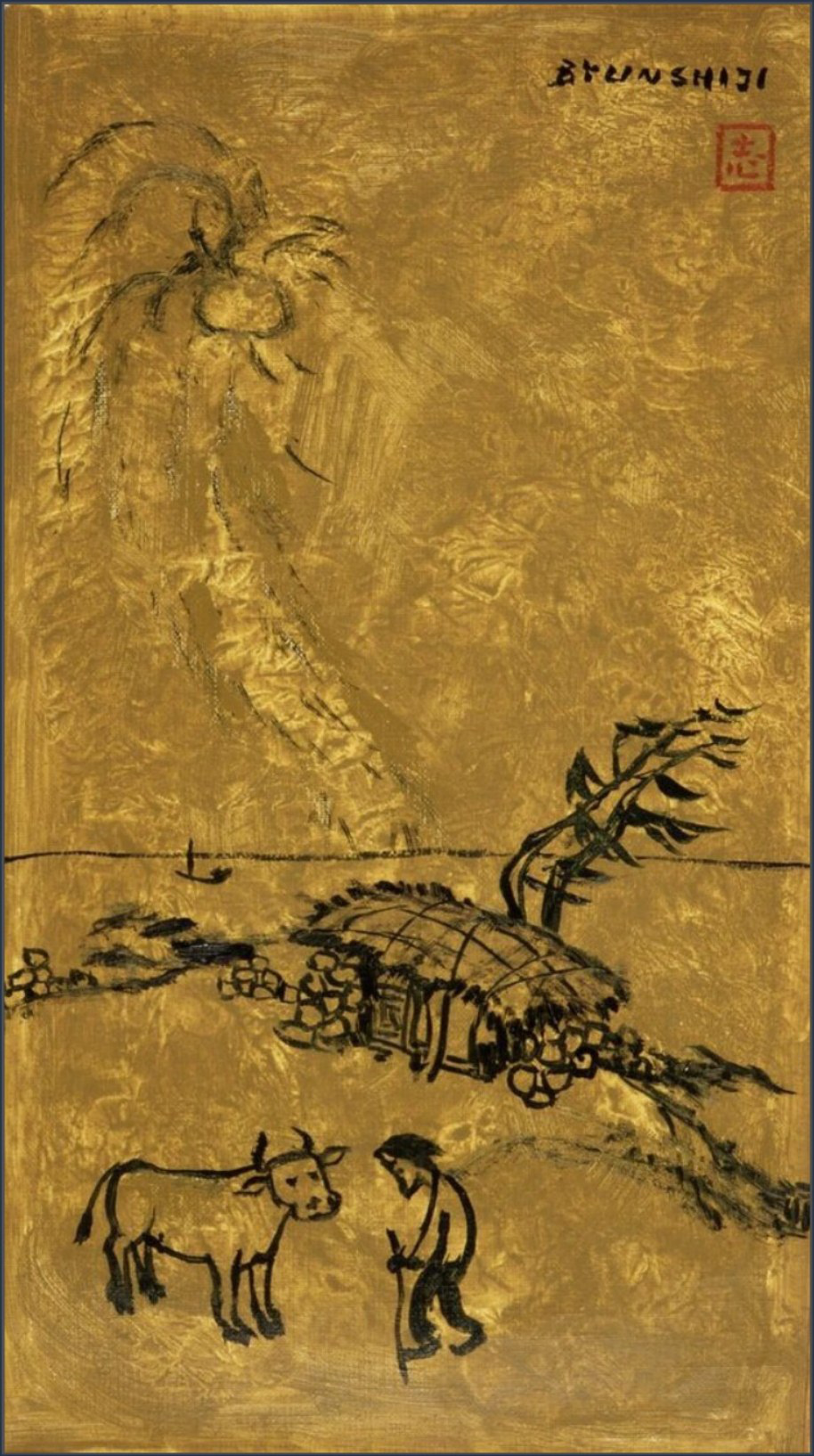
The Ox and the Old Man
The ox and old man have walked side by side for a lifetime. Both have aged, yet their mutual gaze remains unchanged.
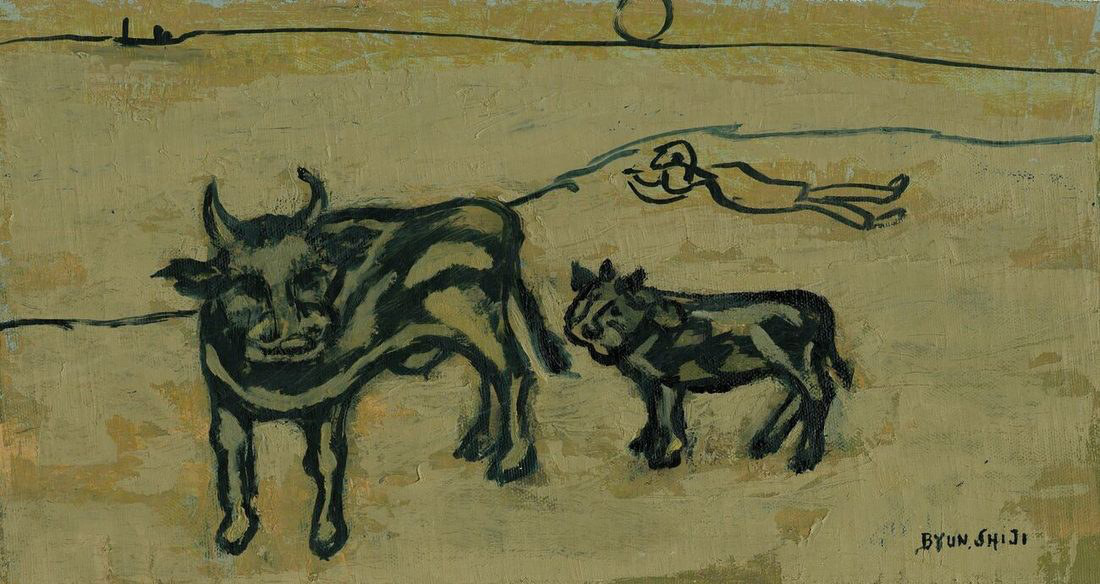
The Cow and the Calf
The return is not merely to a homeland, but to a mother's embrace, before warmth has settled into solitude.
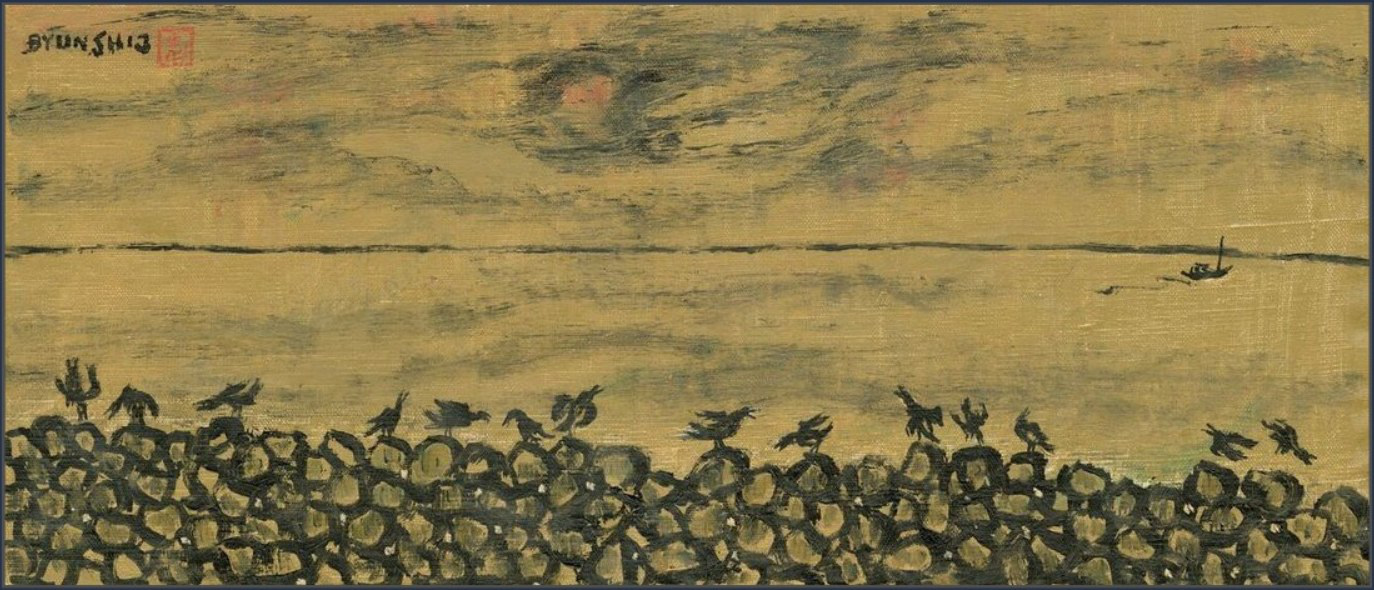
Crows on the Stone Wall
Perhaps waiting is the act of those who remain looking toward the sea together.
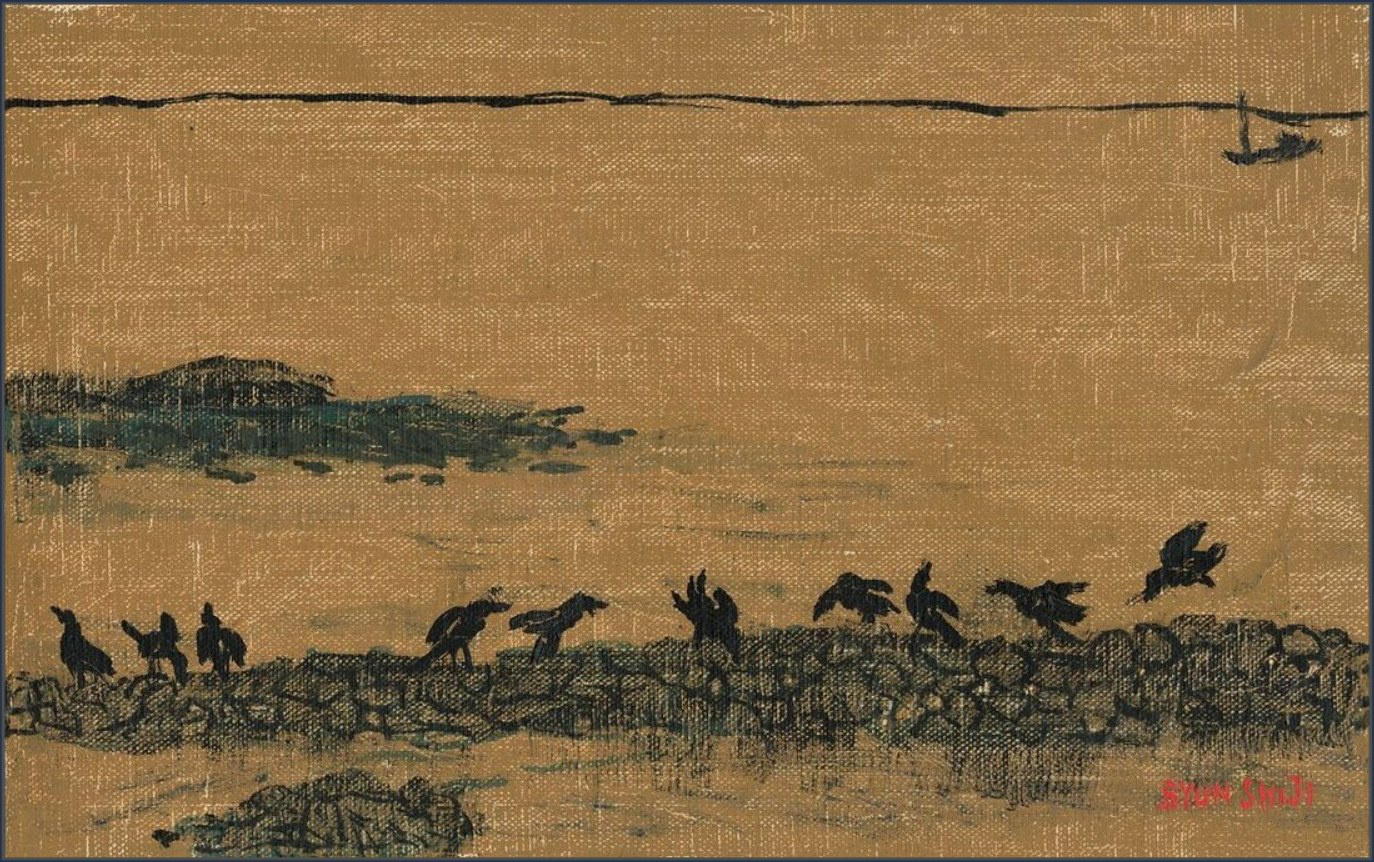
Crows on the Stone Wall
The mound of stone becomes the form of people who lost speech while waiting for those who did not return.
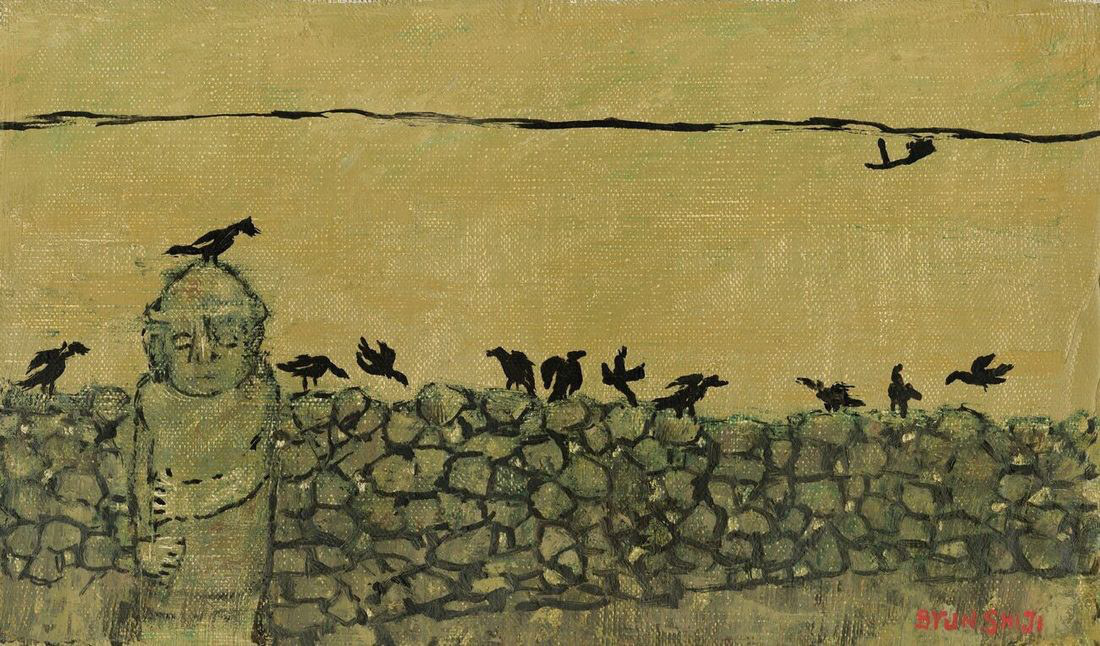
Dol Hareubang and Crows
The stone grandfather waits by not moving and illuminates the road home by not speaking.
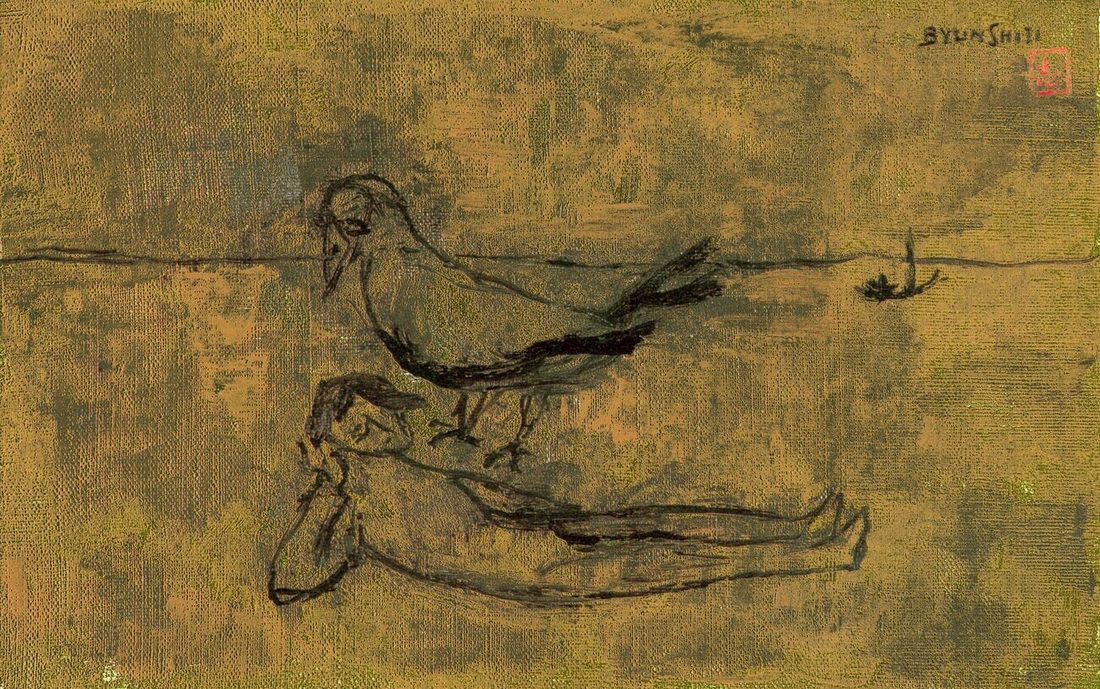
The Crow and I
Knowing one another's solitude without speech is the dialogue between the crow and me.
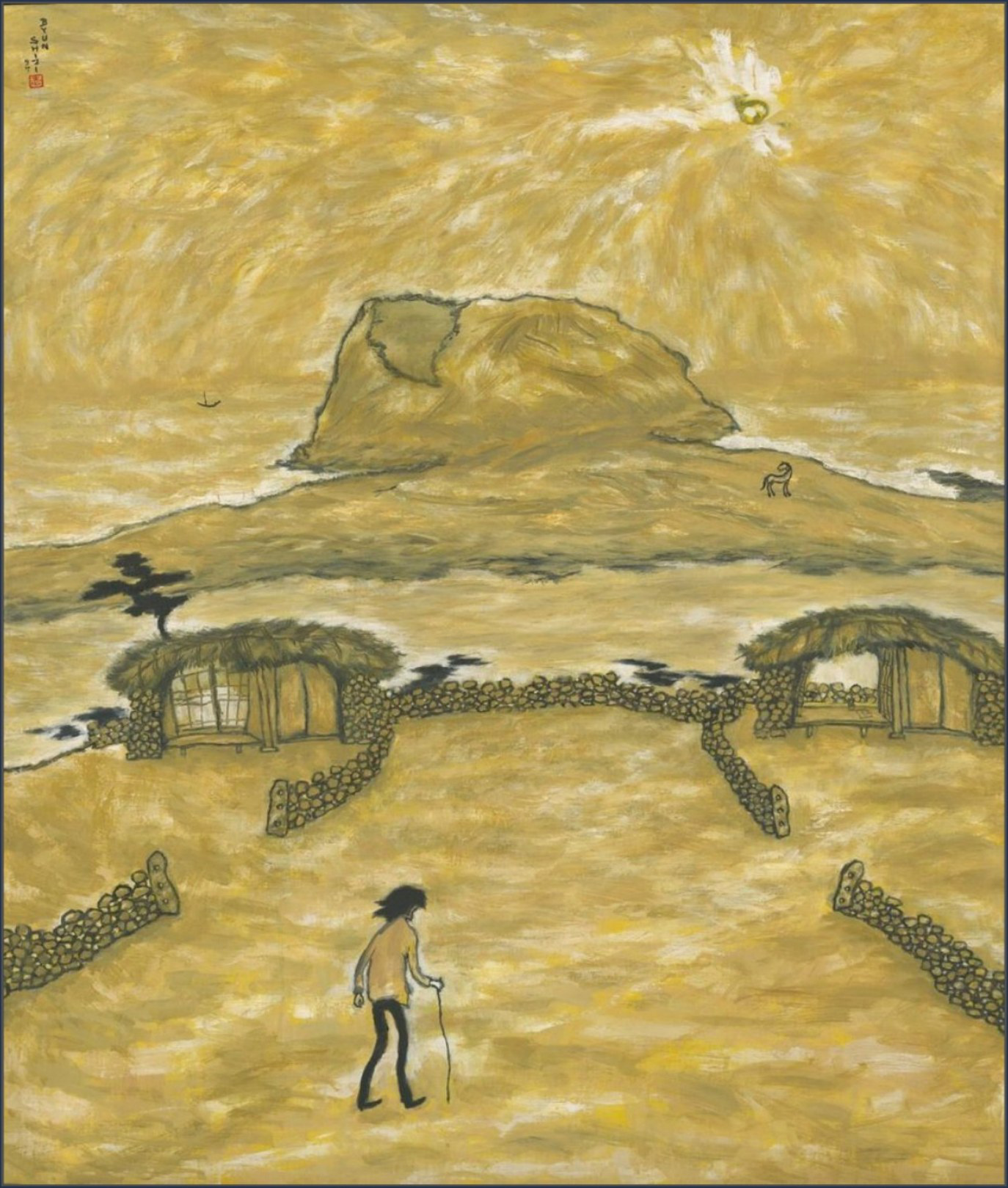
Empty House on the Left, Empty House on the Right
Life may be the act of choosing one empty place between two houses and filling it with one's warmth.
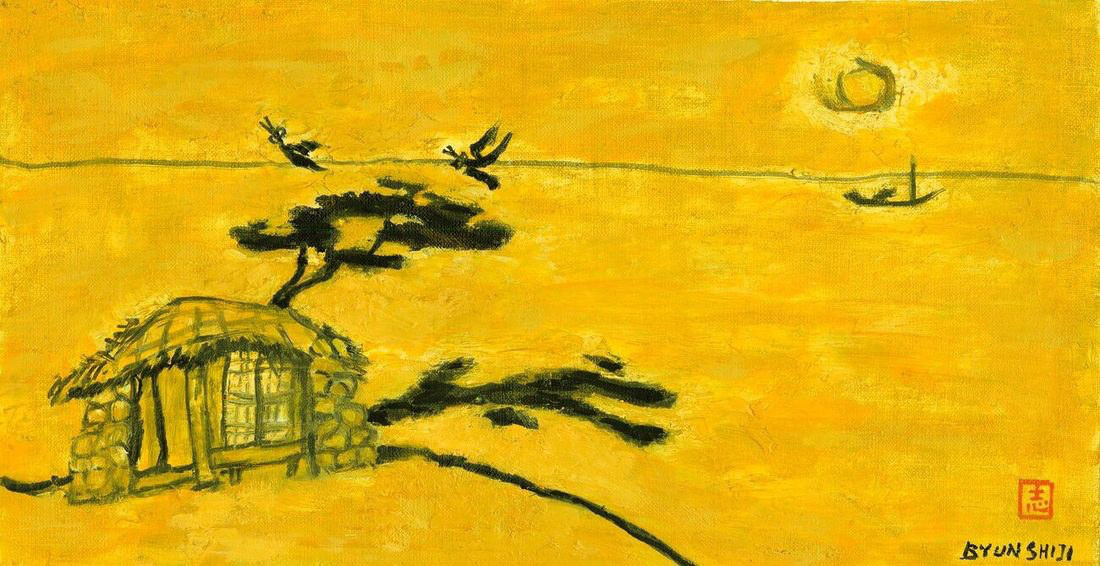
The Empty House
The tree gestures toward departure while the rock opens toward return: one sends away, the other waits.
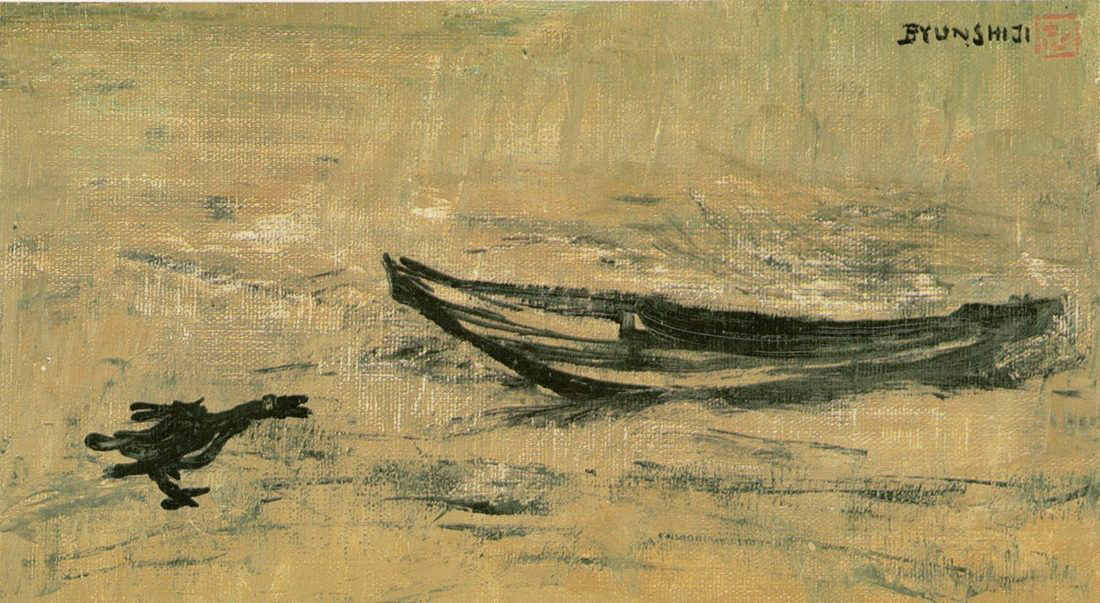
Ieodo
The empty boat remembers those who could not return; Ieodo remembers the names that could never be called.
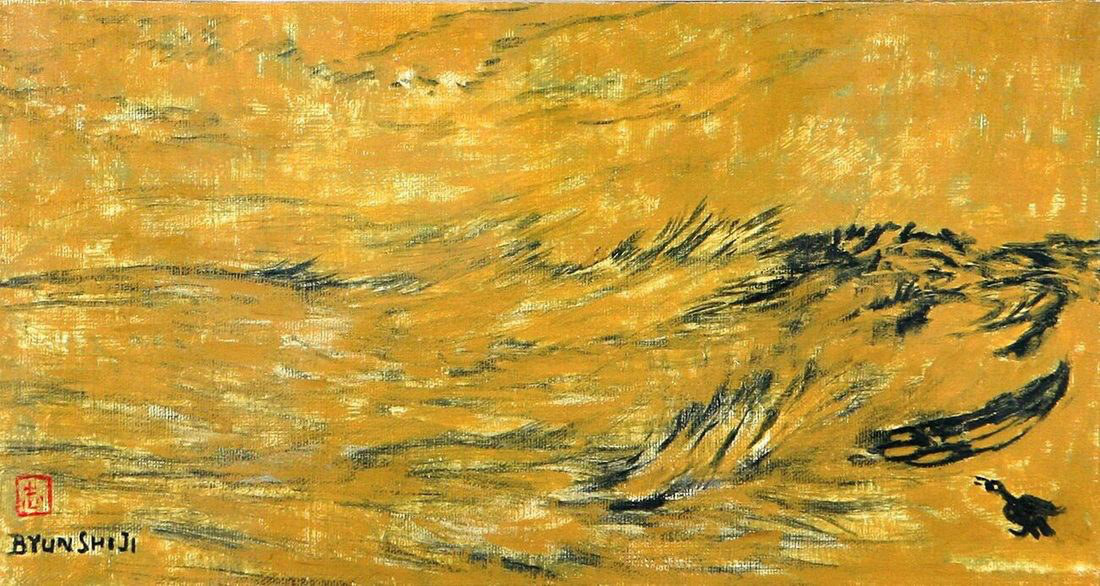
Ieodo
The empty boat is evidence of the one who did not return, and the crow's cry testifies to that absence.
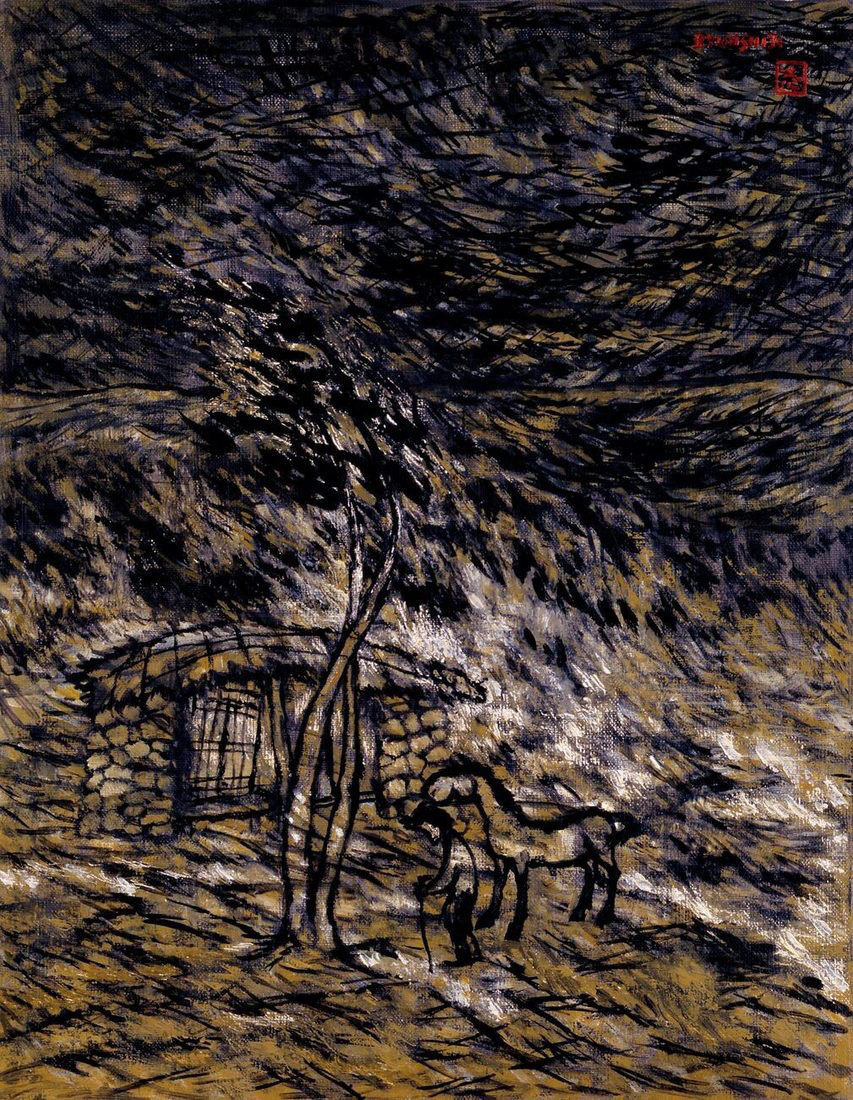
Ieodo
Before the empty boat returns and before the crow cries, the storm carries the person away in Ieodo's darkest night.
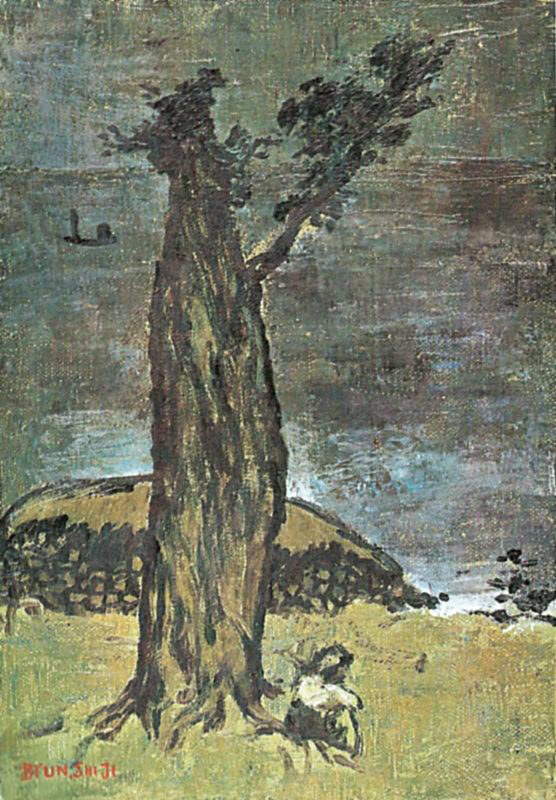
The Old Tree
The tree sends the departing one with one arm and holds the one left behind with the other.
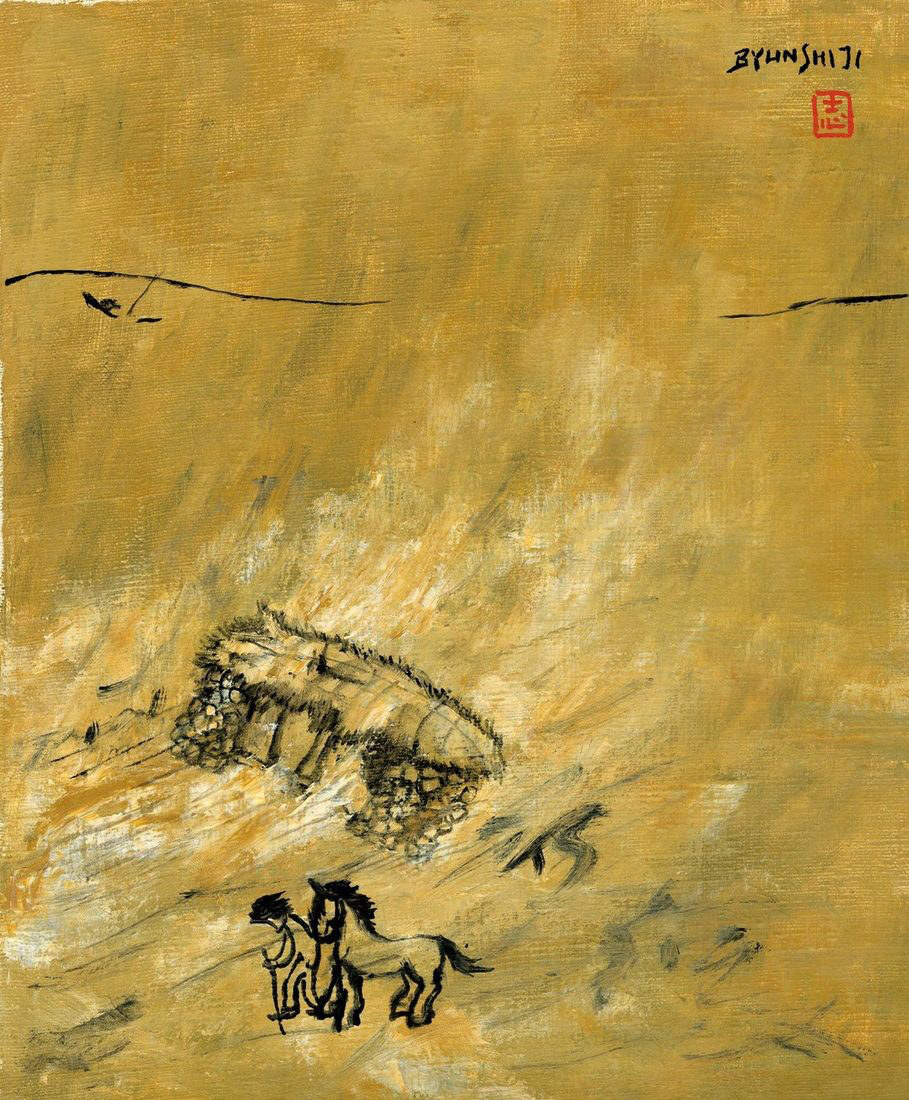
The Gale
Even when the place of return collapses, life can begin again if another being remains beside us.
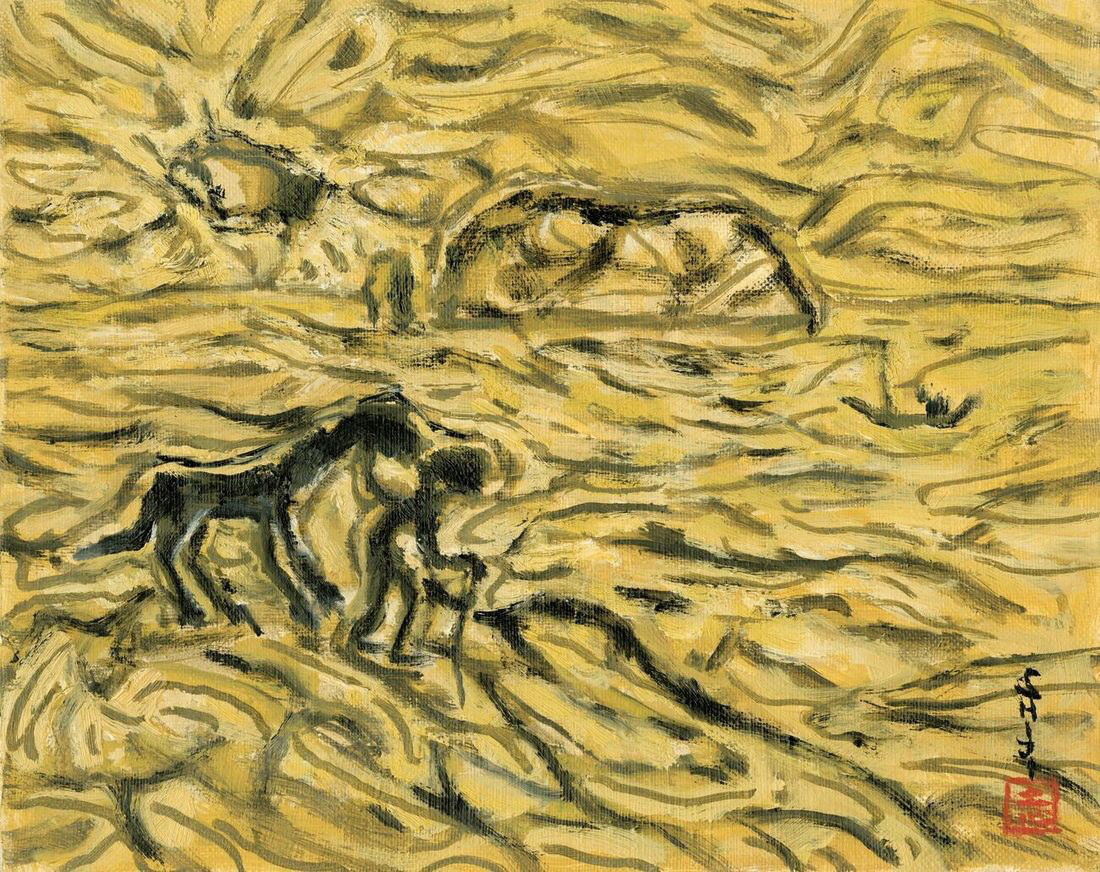
Apparition
Human and horse become one mass of stone, an apparition of a heart unable either to leave or to stop waiting.
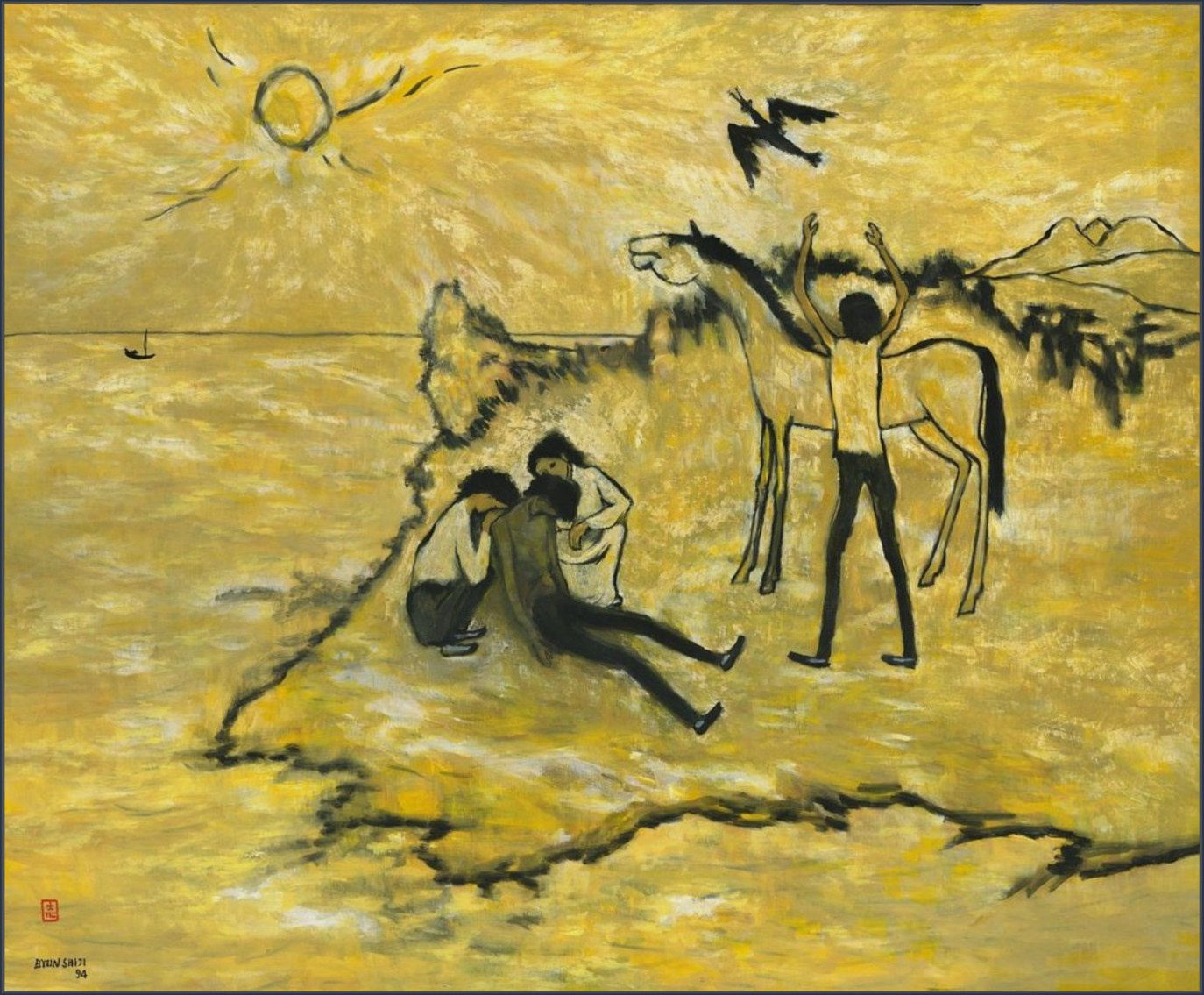
Hope, Will, Peace, and Love
Hope may not be belief in a bright day, but raising one's hands toward the sky even on a dark one.
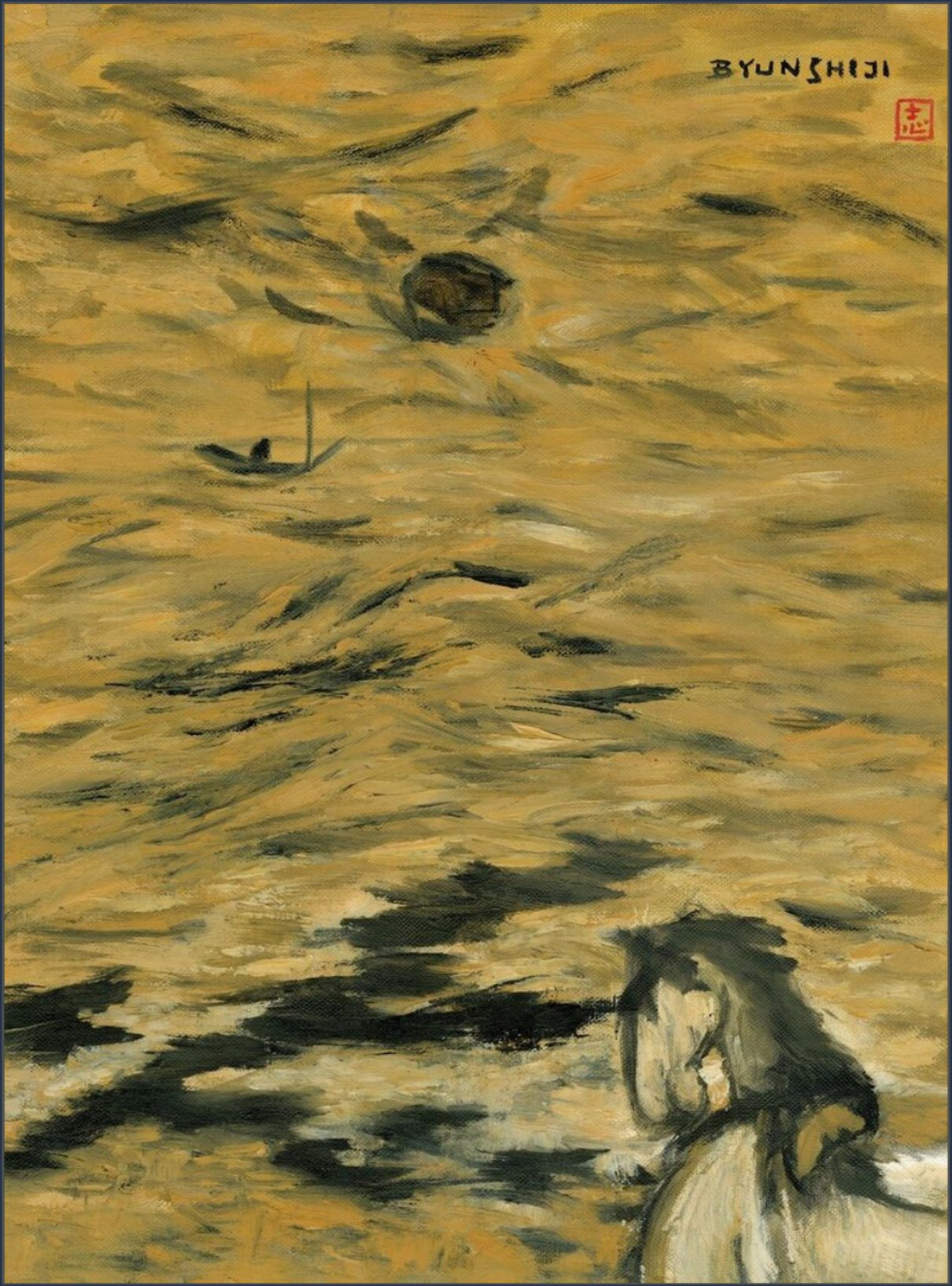
The Black Sun
Hope may not be waiting for light, but remaining together even when there is none.
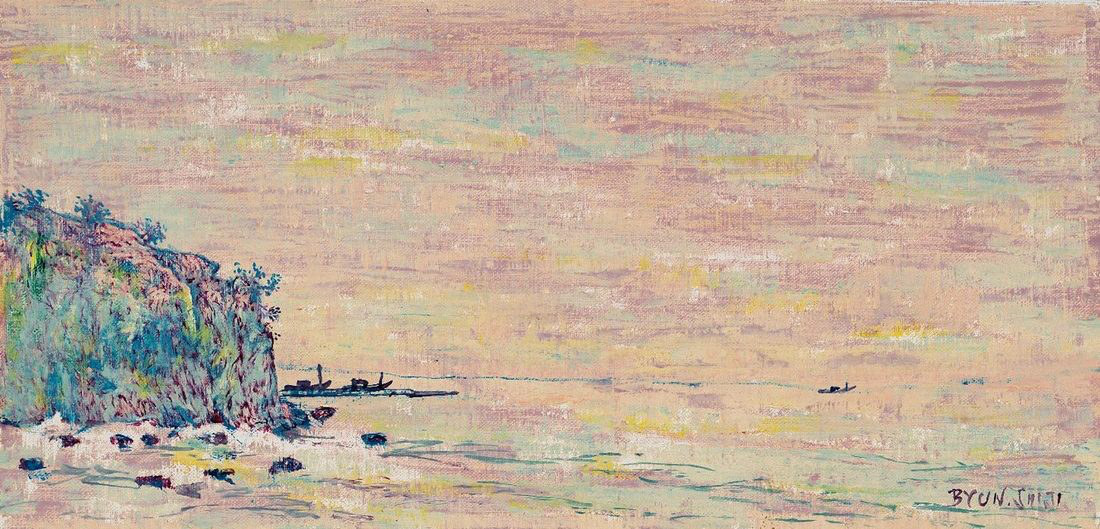
Sunset
Depth appears when several times are allowed to remain together within one pale light.
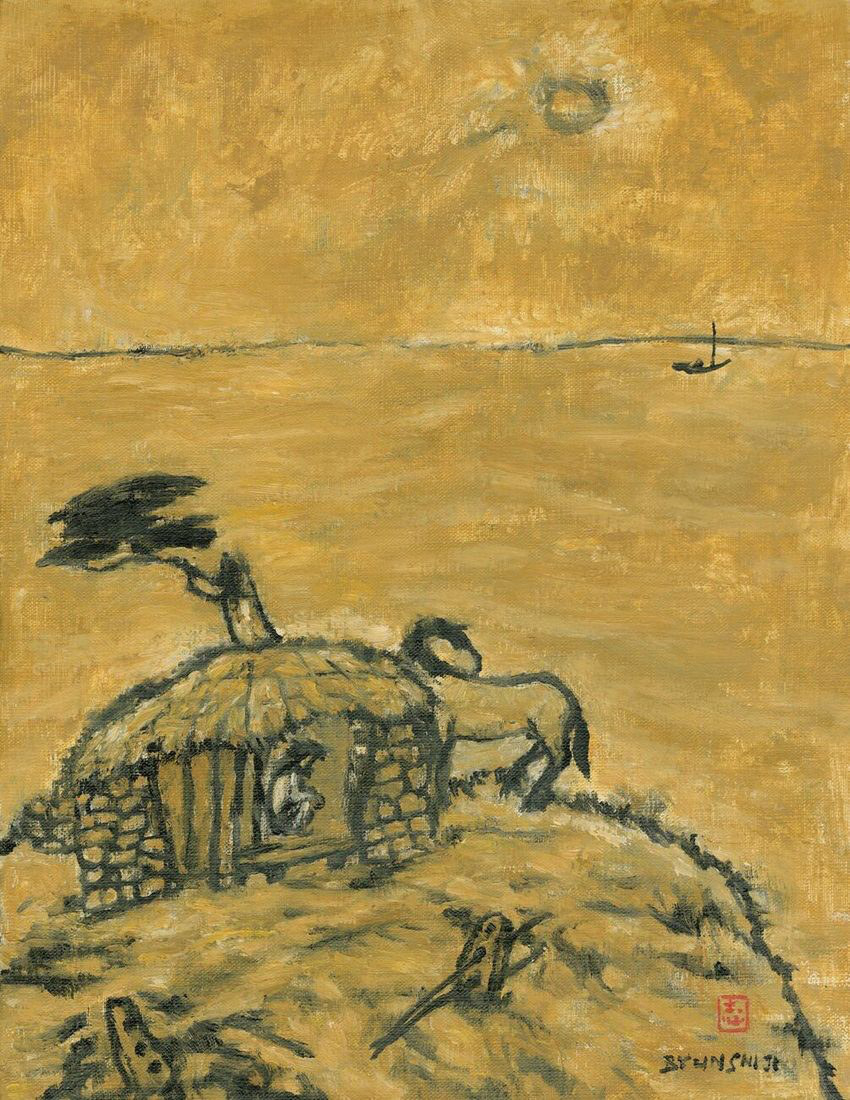
Sinking into Time
The person is absent and the horse waits instead. Waiting is the inability to withdraw the heart from that direction.
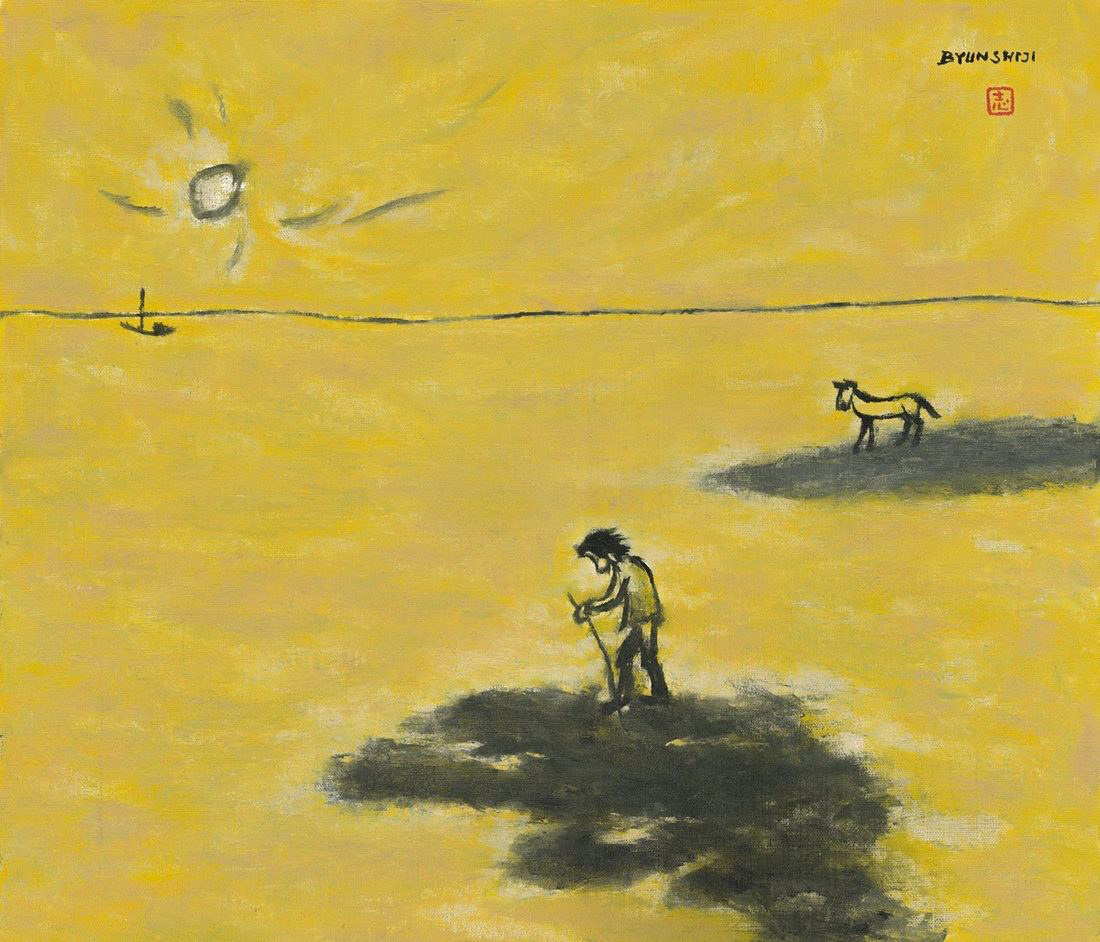
The Island of Parting
Even within the same sea, human and horse remain separate islands of parting.
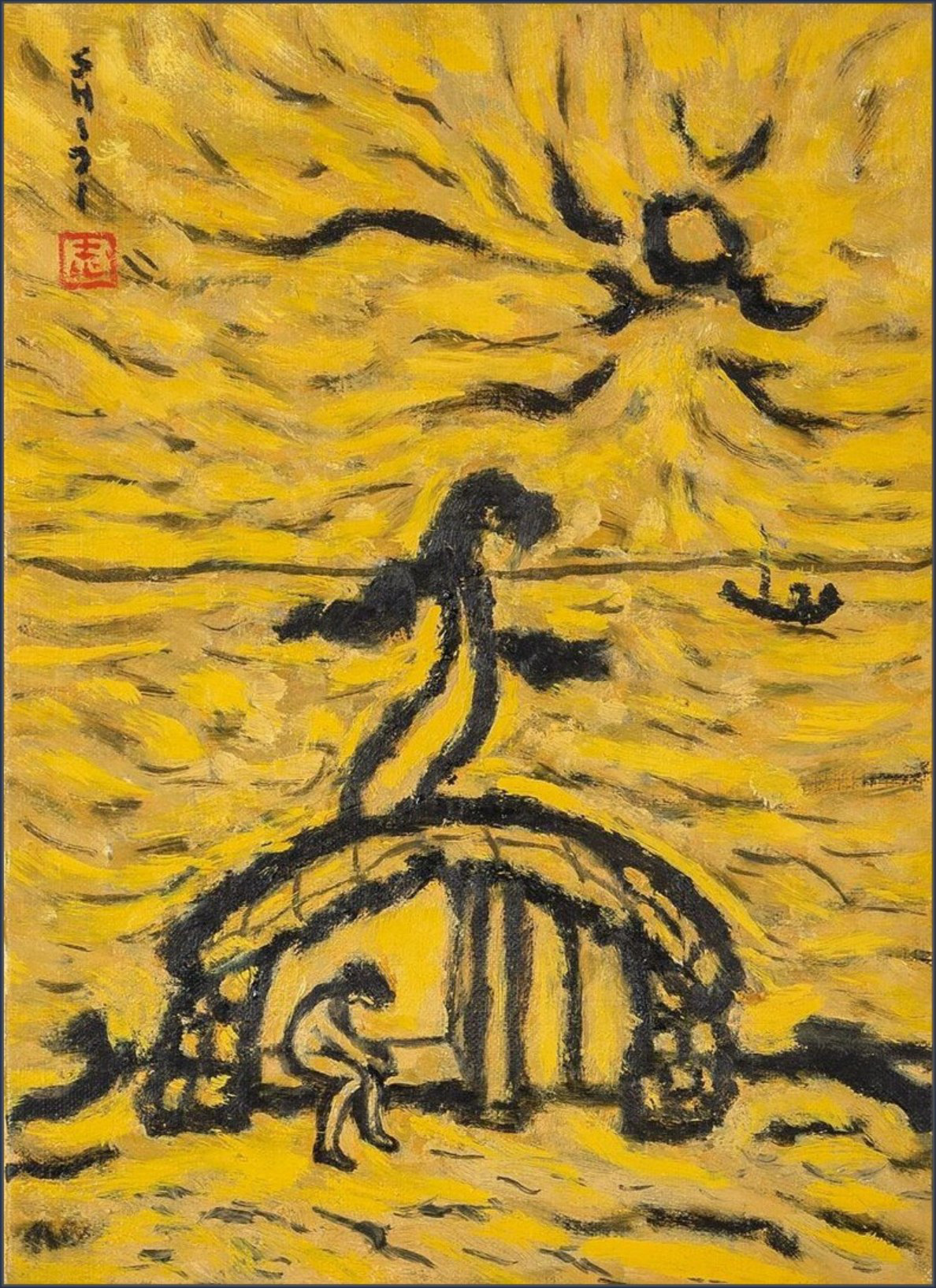
The Solitude of Noon
There is so much light that nothing seems to reach the figure: deep solitude within the brightest hour.
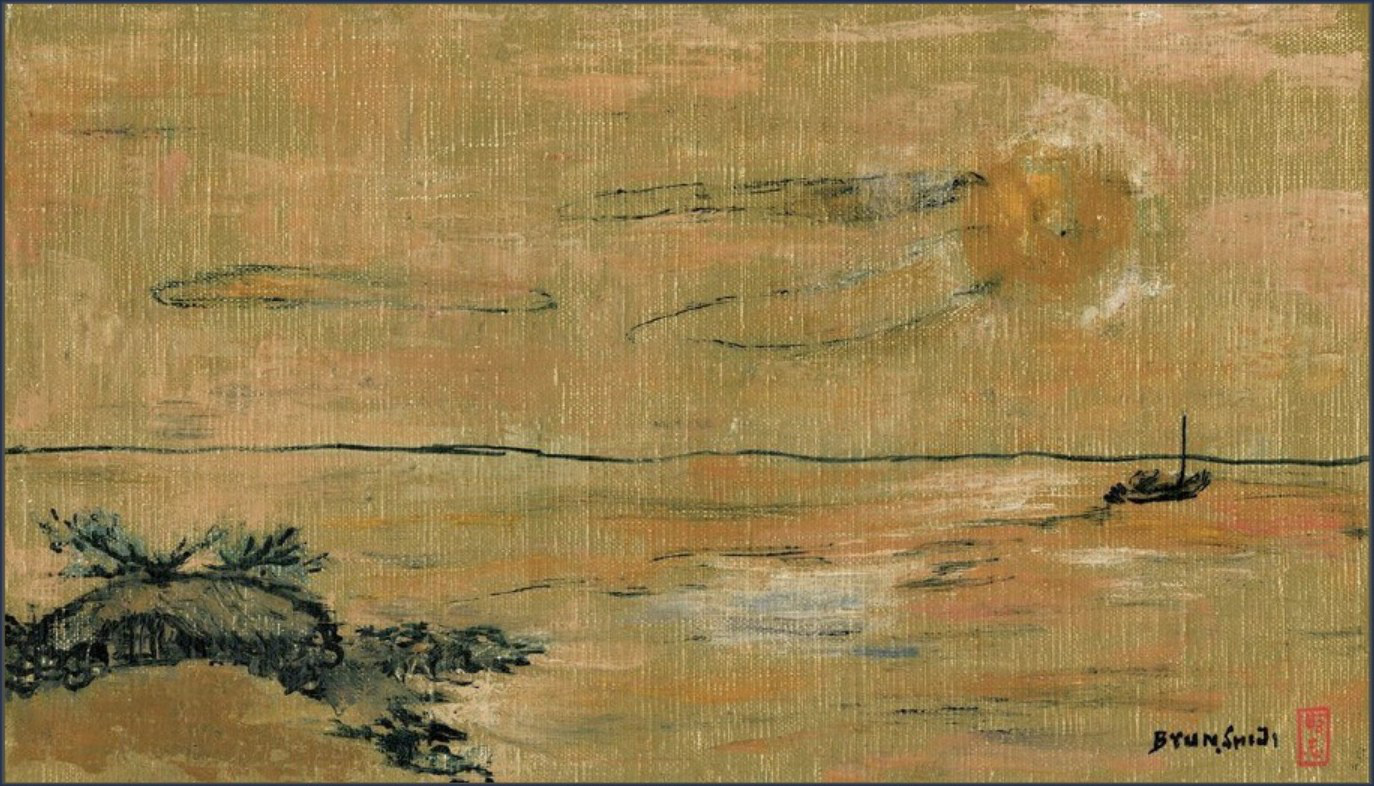
The Departing Boat
Painting may not be holding something fast, but quietly allowing what will disappear to depart.
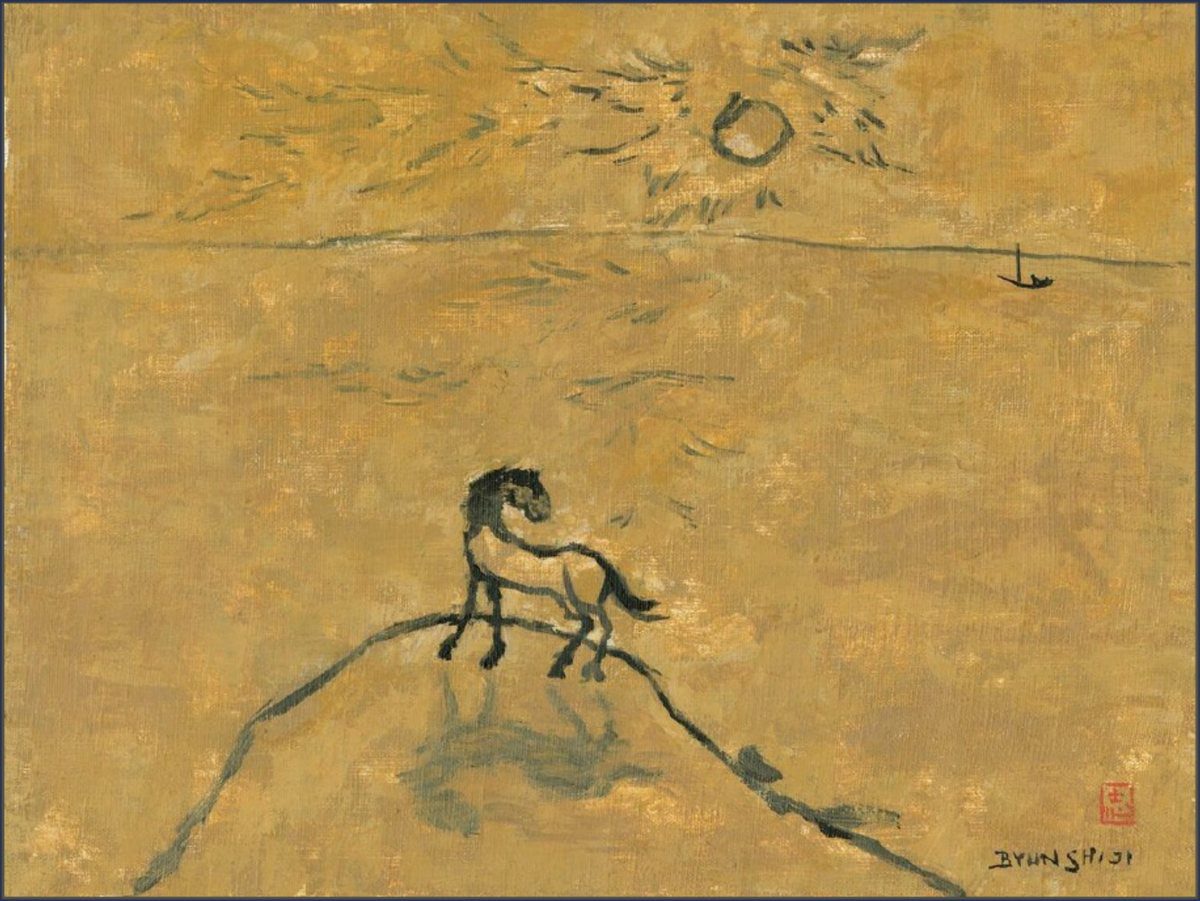
The Departing Boat
Consolation does not erase sorrow; it remains quietly beside it.
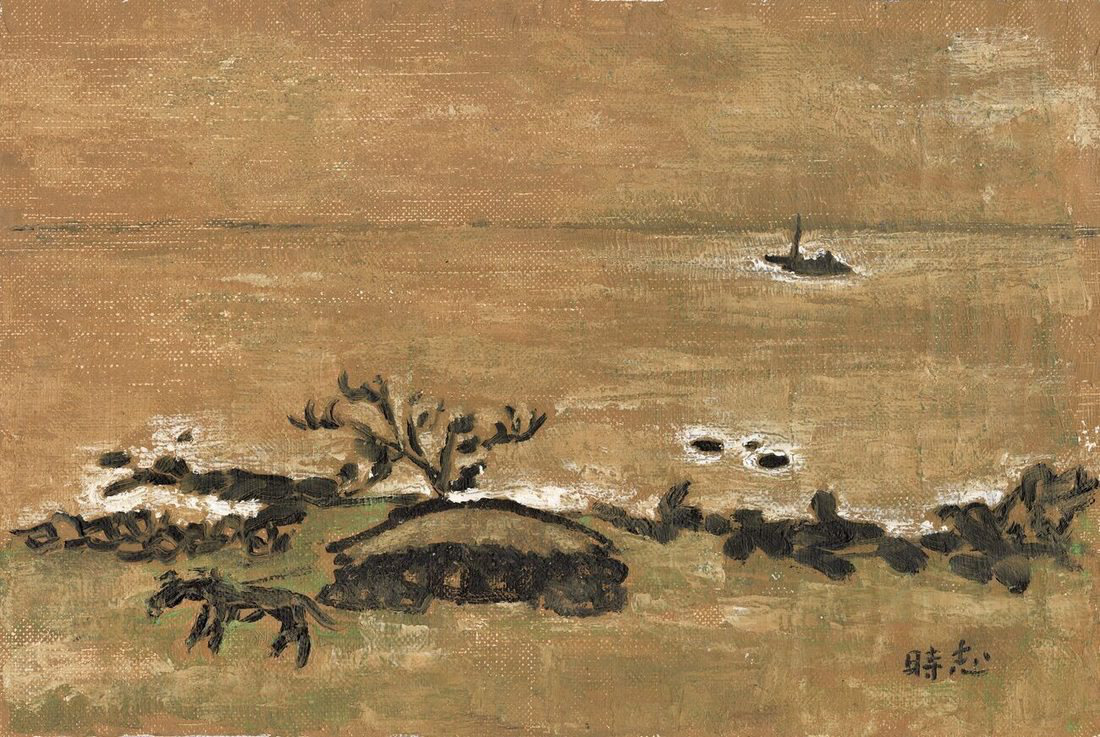
The Returning Boat
To return is not to restore the time before departure, but to understand at last the meaning of the place left behind.
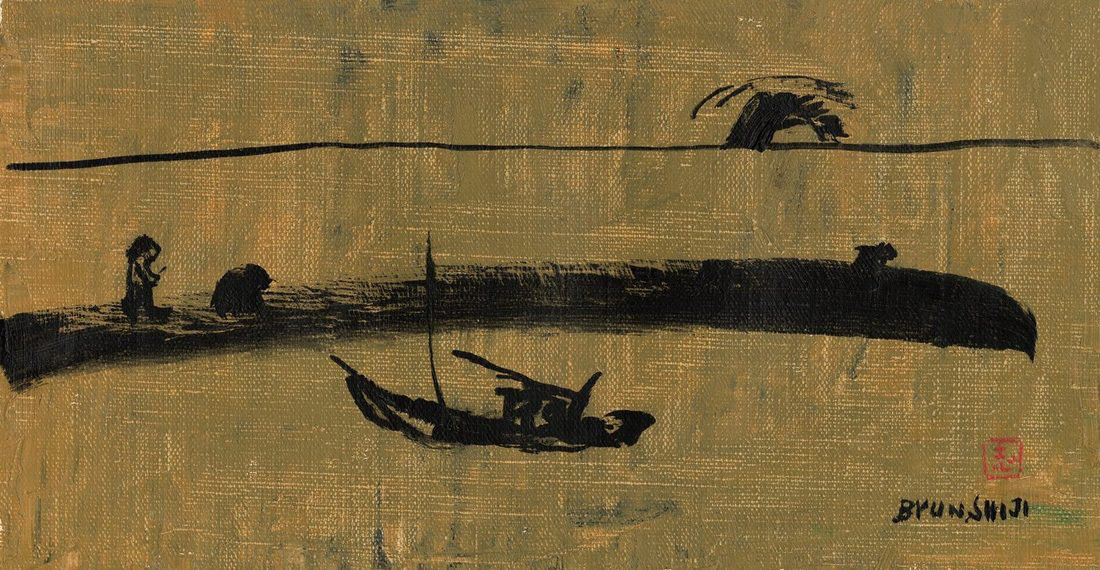
The Jetty
An empty boat has reached the jetty, but the person has not returned. Arrival and absence occupy the same scene.
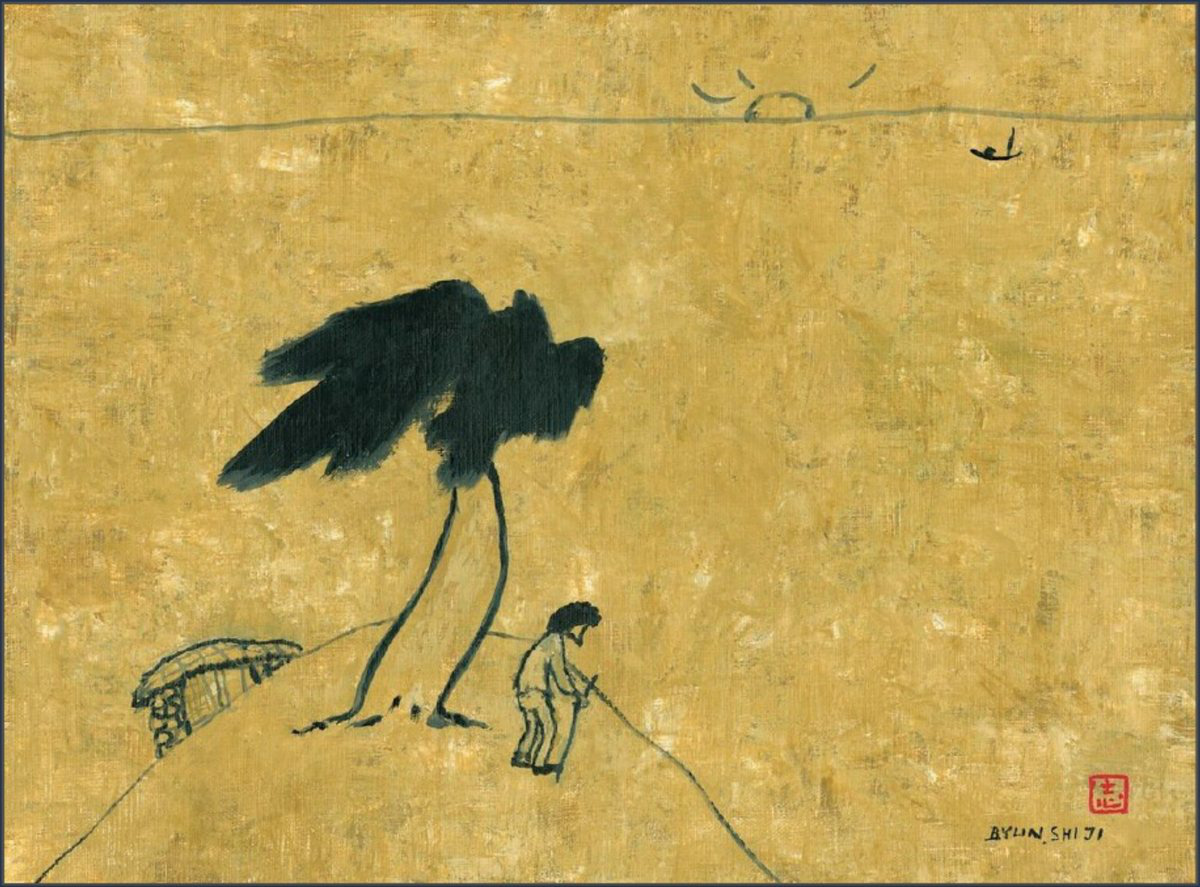
The Old Pine and the Old Man
The old man cannot go inside, fearing that the boat will vanish the moment he turns away.
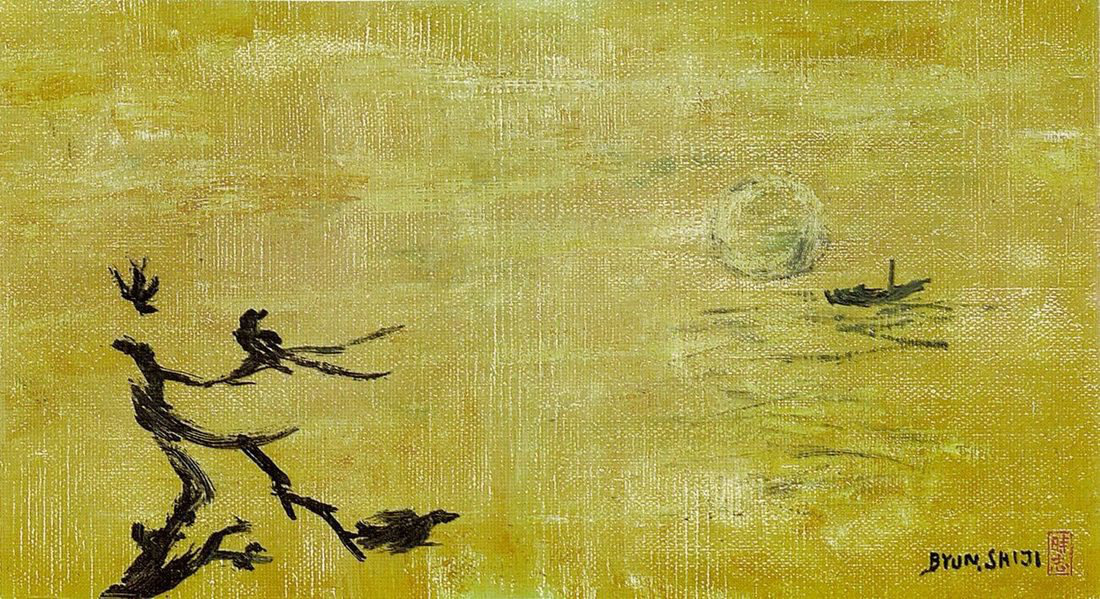
A Lively Half-Day by the Sea
Solitude is not where life stops, but where the world's smallest movements become more audible.
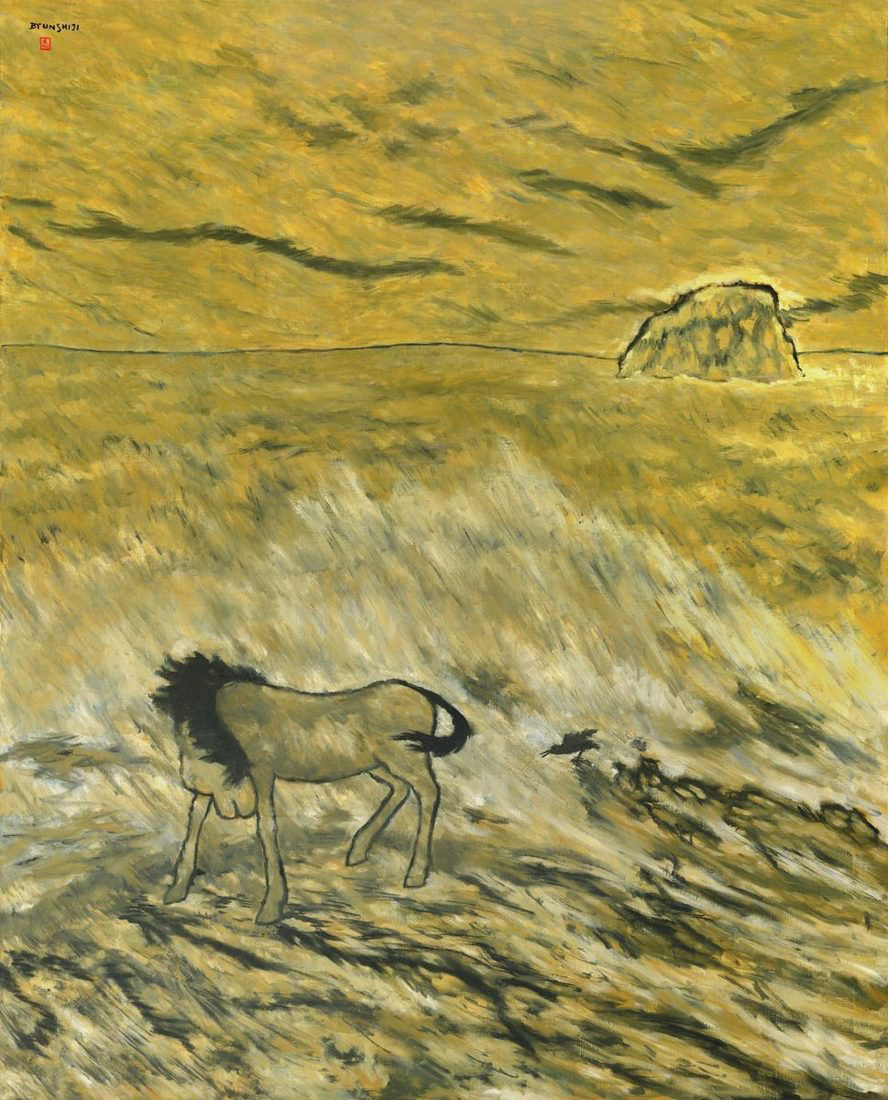
Where To?
They remain together without providing an answer. In the erased field, stillness itself becomes dignity.
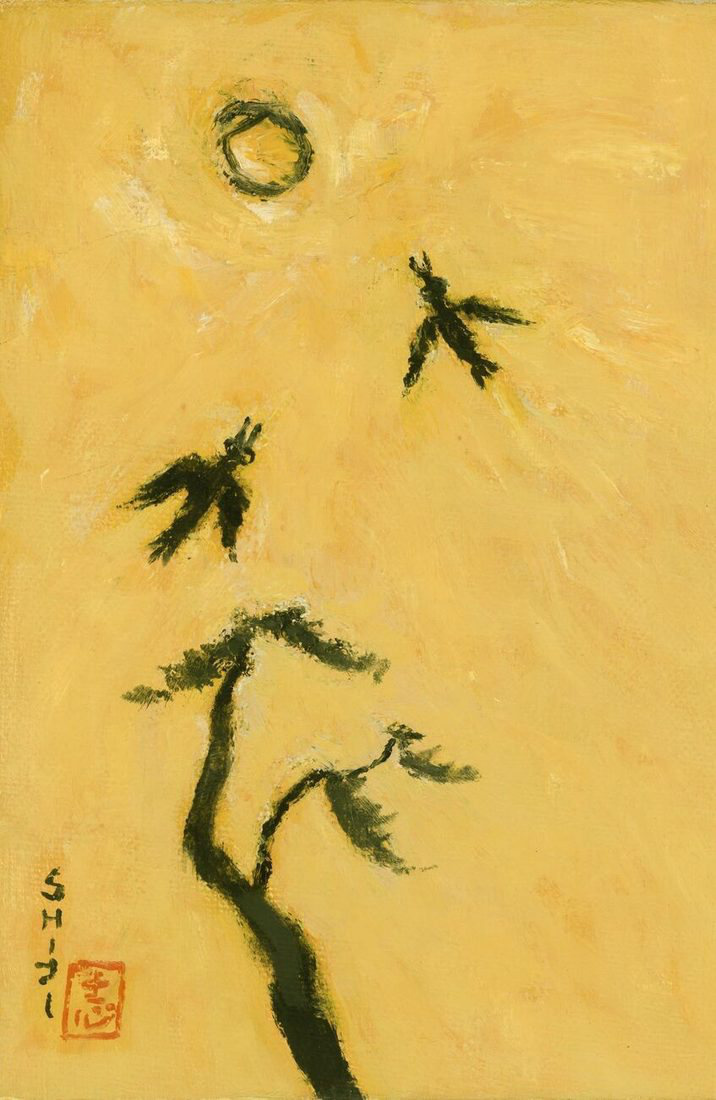
The High Note
The high note is a sound that pushes existence upward so that it will not disappear.
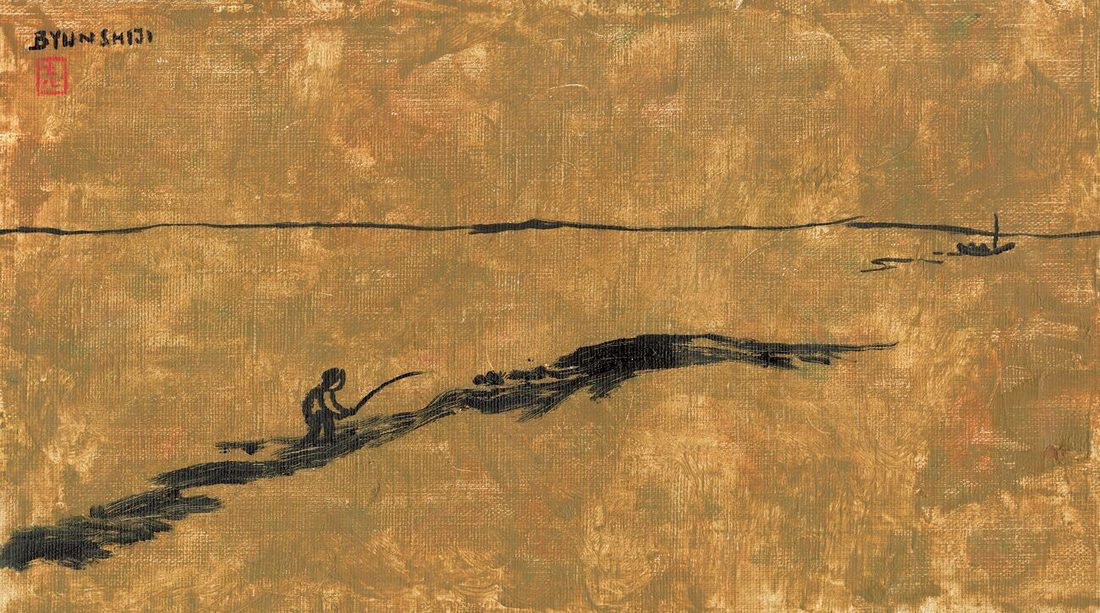
A Long, Long Longing
Waiting is not time spent obtaining something, but keeping the heart directed toward what does not come.
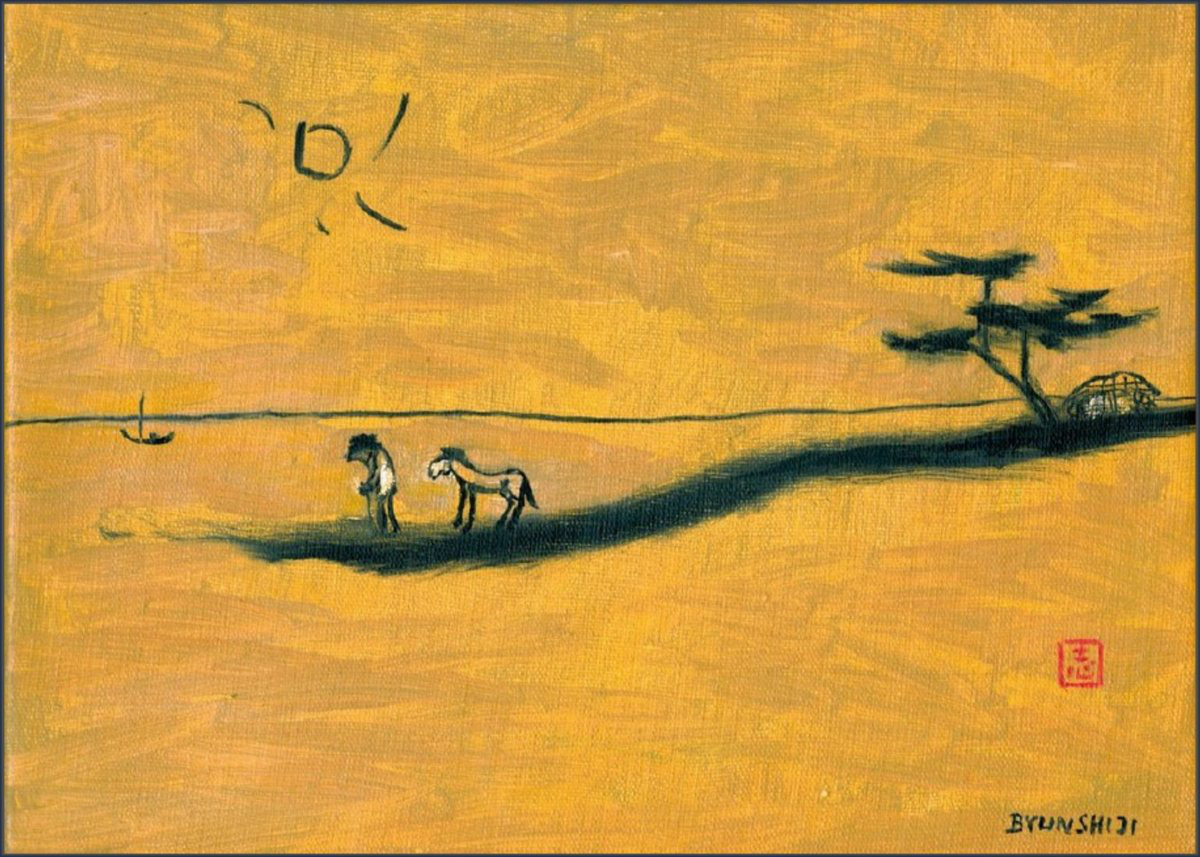
A Long, Long Longing
Longing goes as far as it can and looks as far as sight permits, before finally stopping in place.
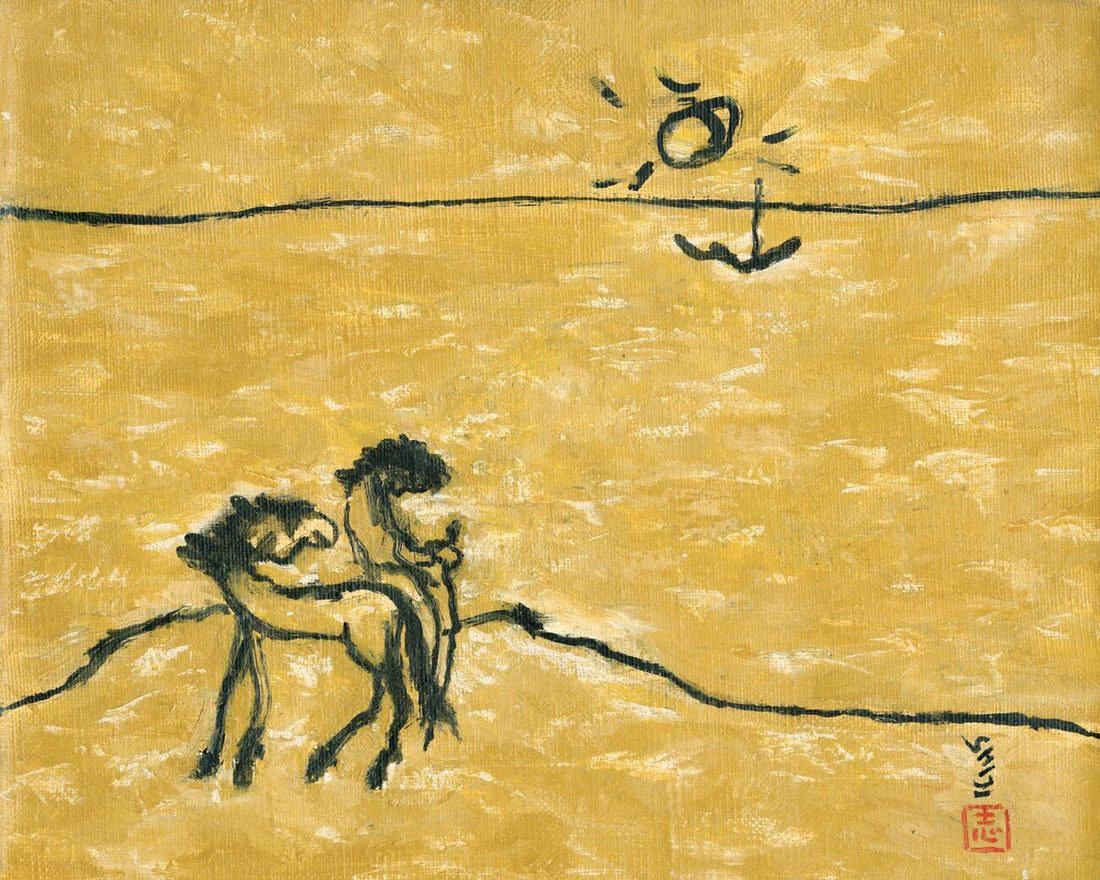
Longing
The unseen is not erased from memory. Longing is a silent time in which the absent is still kept.
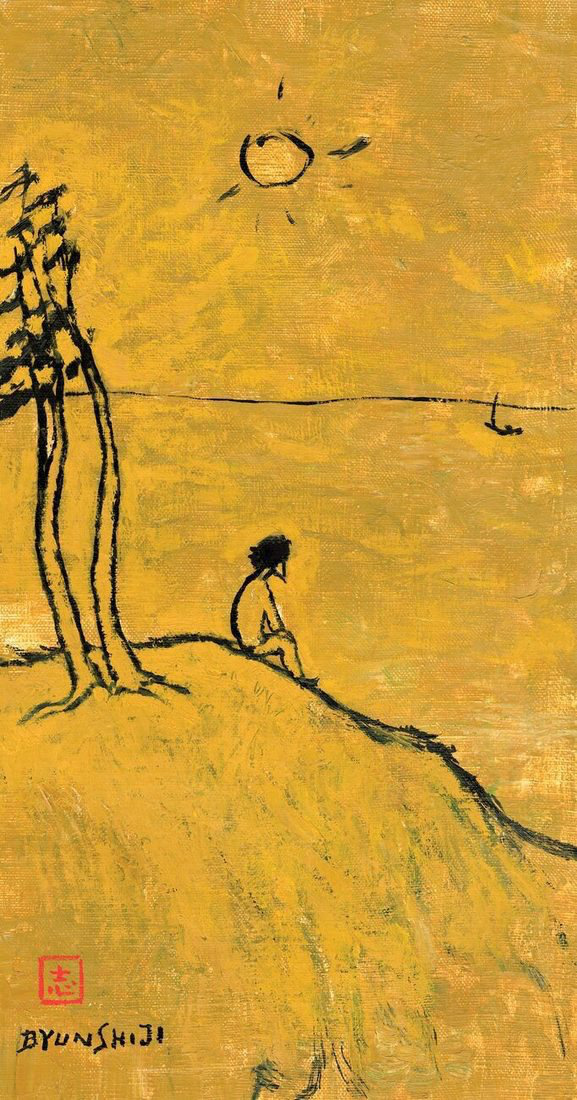
Longing
One longs even for someone nearby but unreachable, calling an unspoken name through the tree.
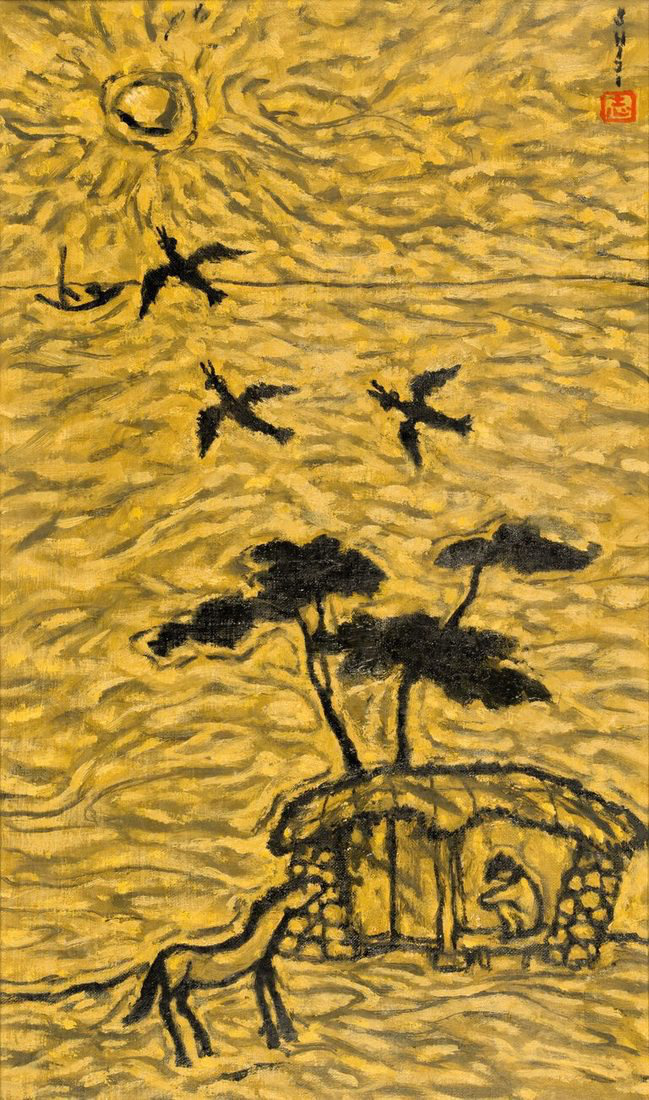
Longing
A painter of departure paints the departure of his children; their flight also means they were raised well.
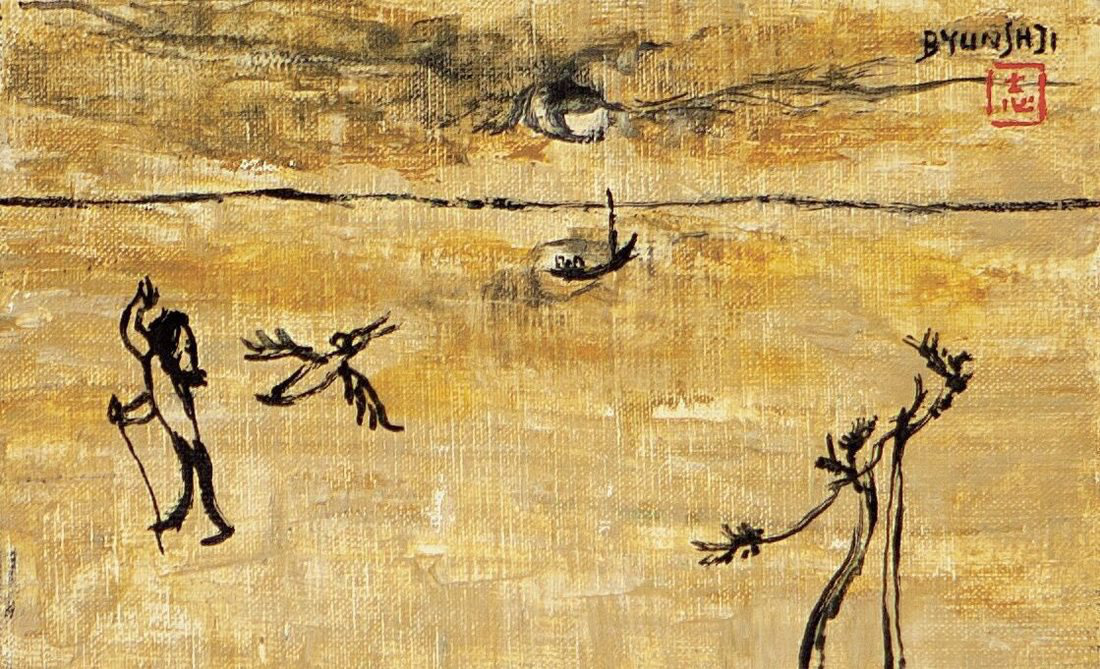
Annyeong
Annyeong contains both farewell and return: a greeting that does not hold back, yet promises not to forget.
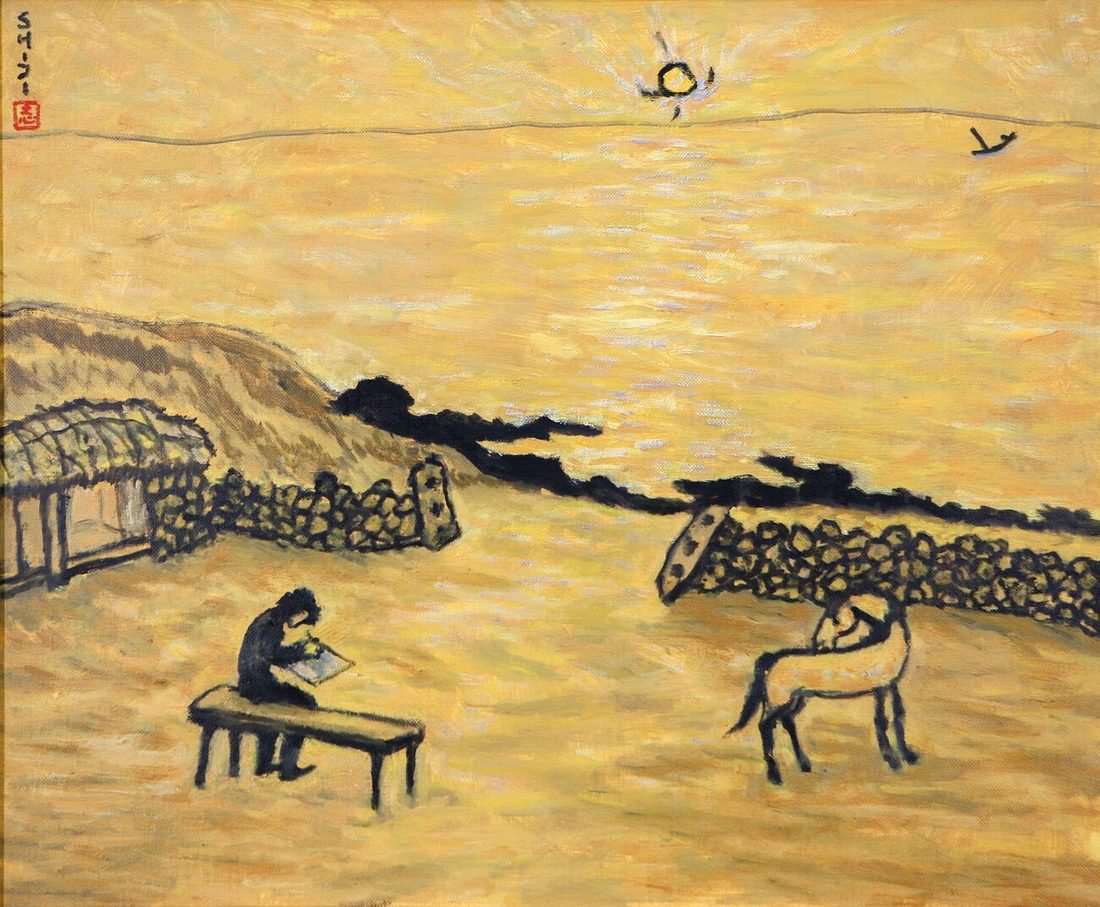
The Letter
The letter is written despite knowing no reply will come, because writing seats the departed person before us once more.
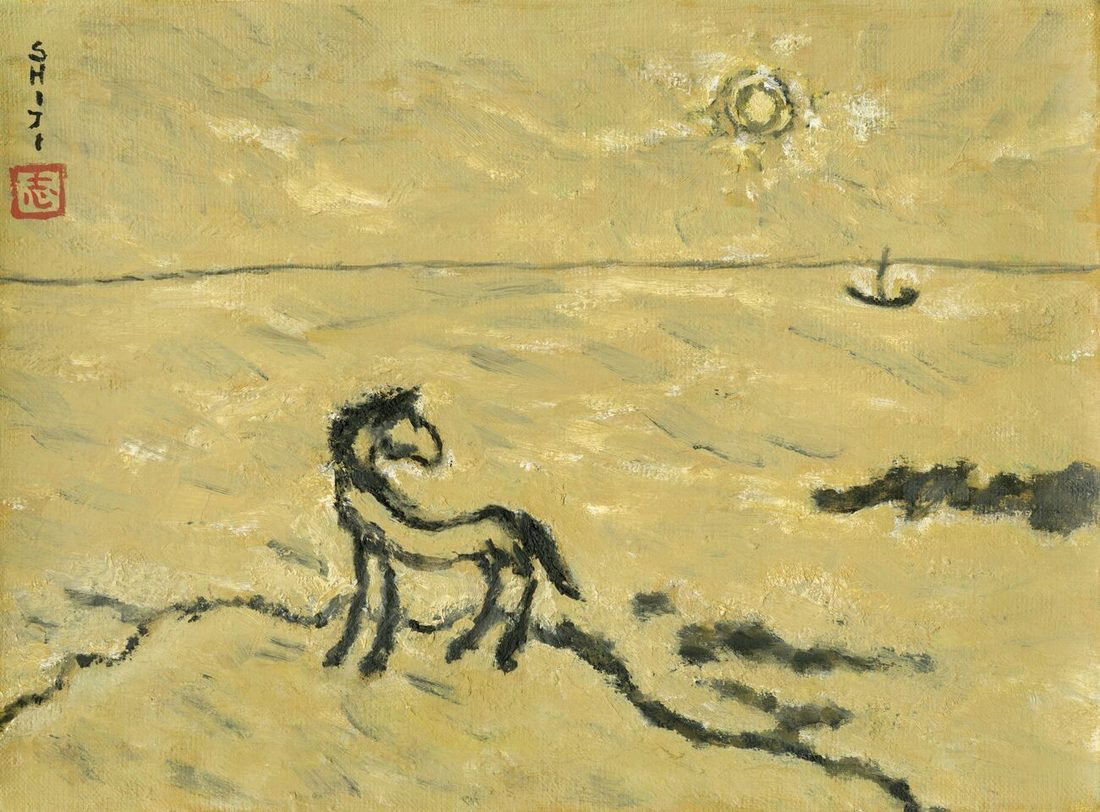
The Gaze
The horse on the cliff quietly watches the departing boat and every moment once shared.
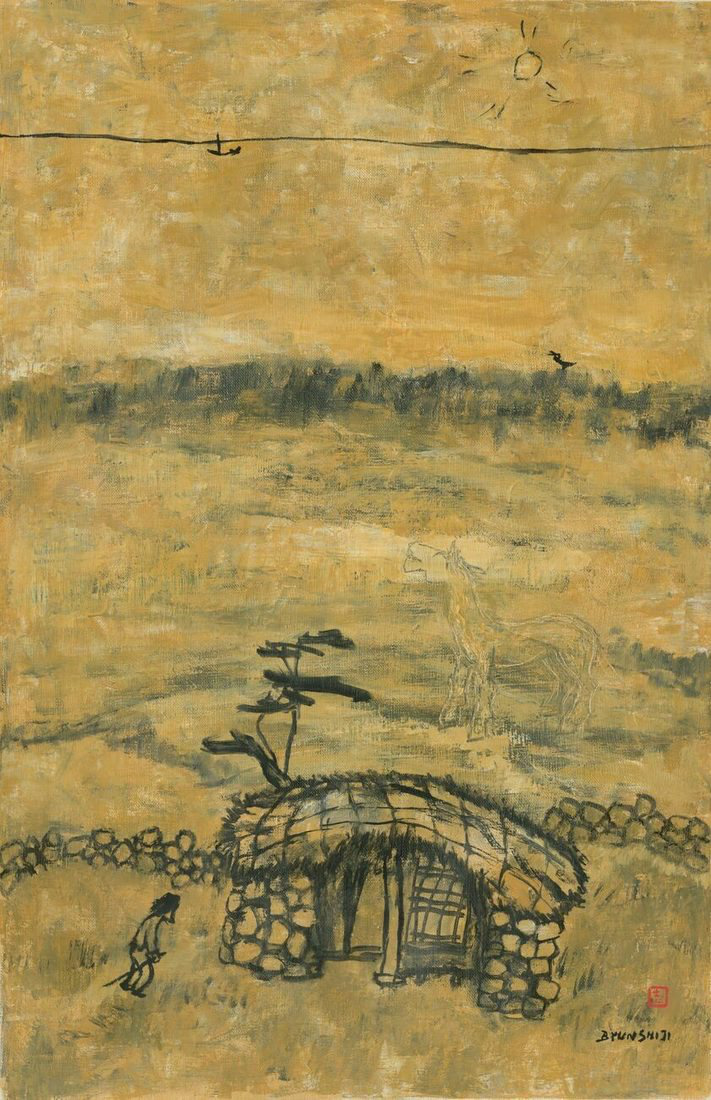
Recollection
What was loved most remains faintest. The horse was not erased; it walked inward and became part of the self.
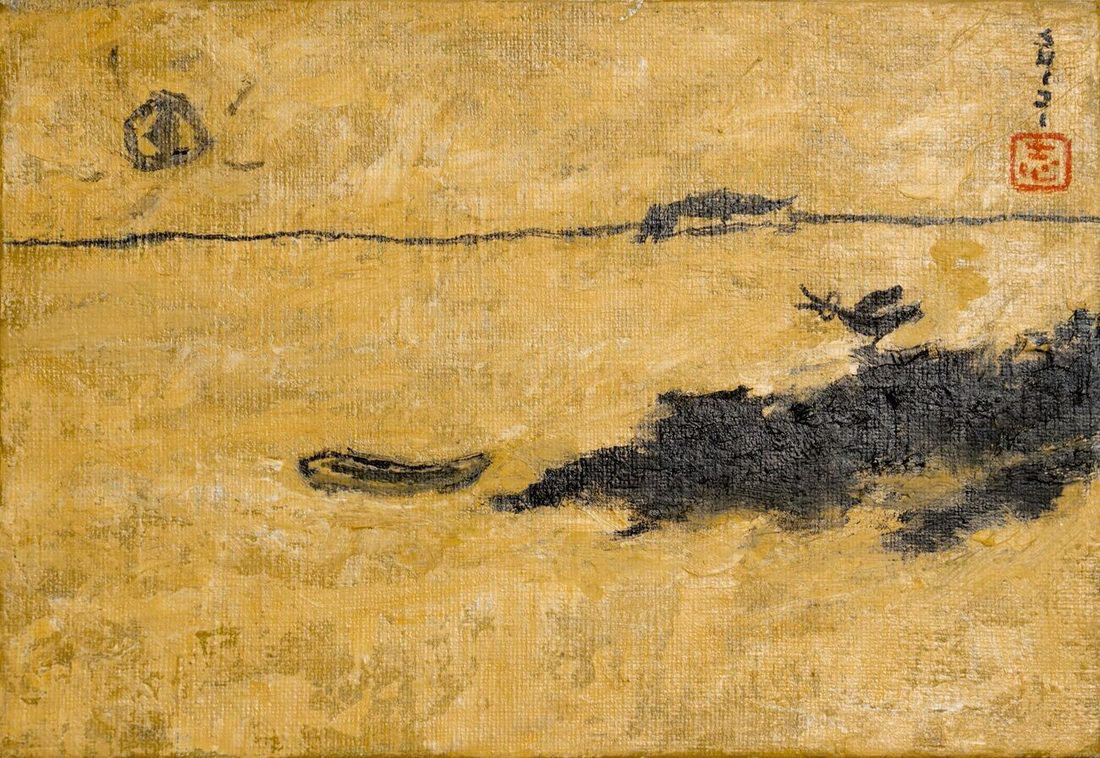
Ieodo
The returned empty boat is the only evidence that the fisherman reached Ieodo.
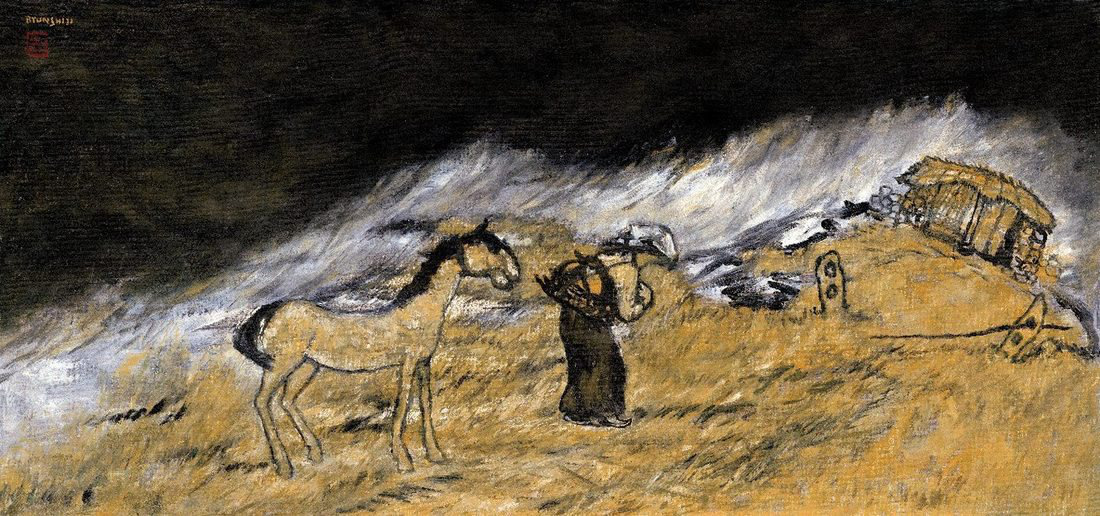
The Way Home
The way home is not walked after the wind ends, but through the wind by a body that is already tired.
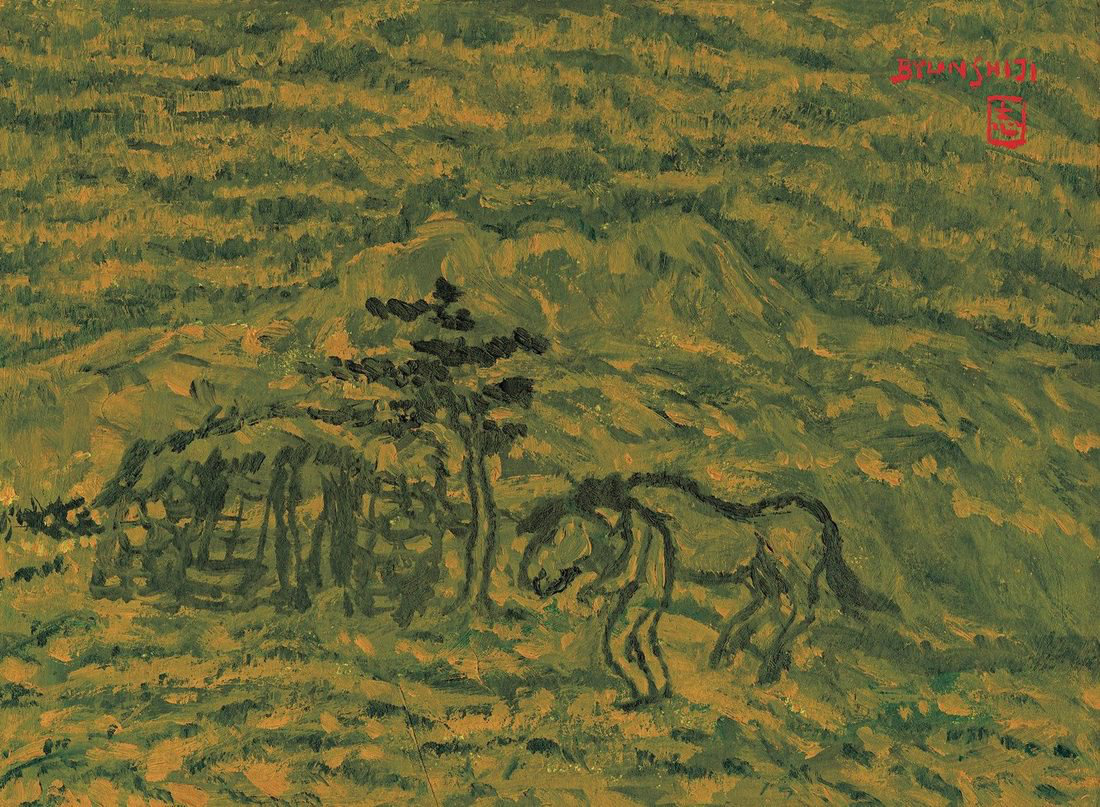
The Way Home
After every departure and exhaustion, one part of the heart still turns toward its own place.
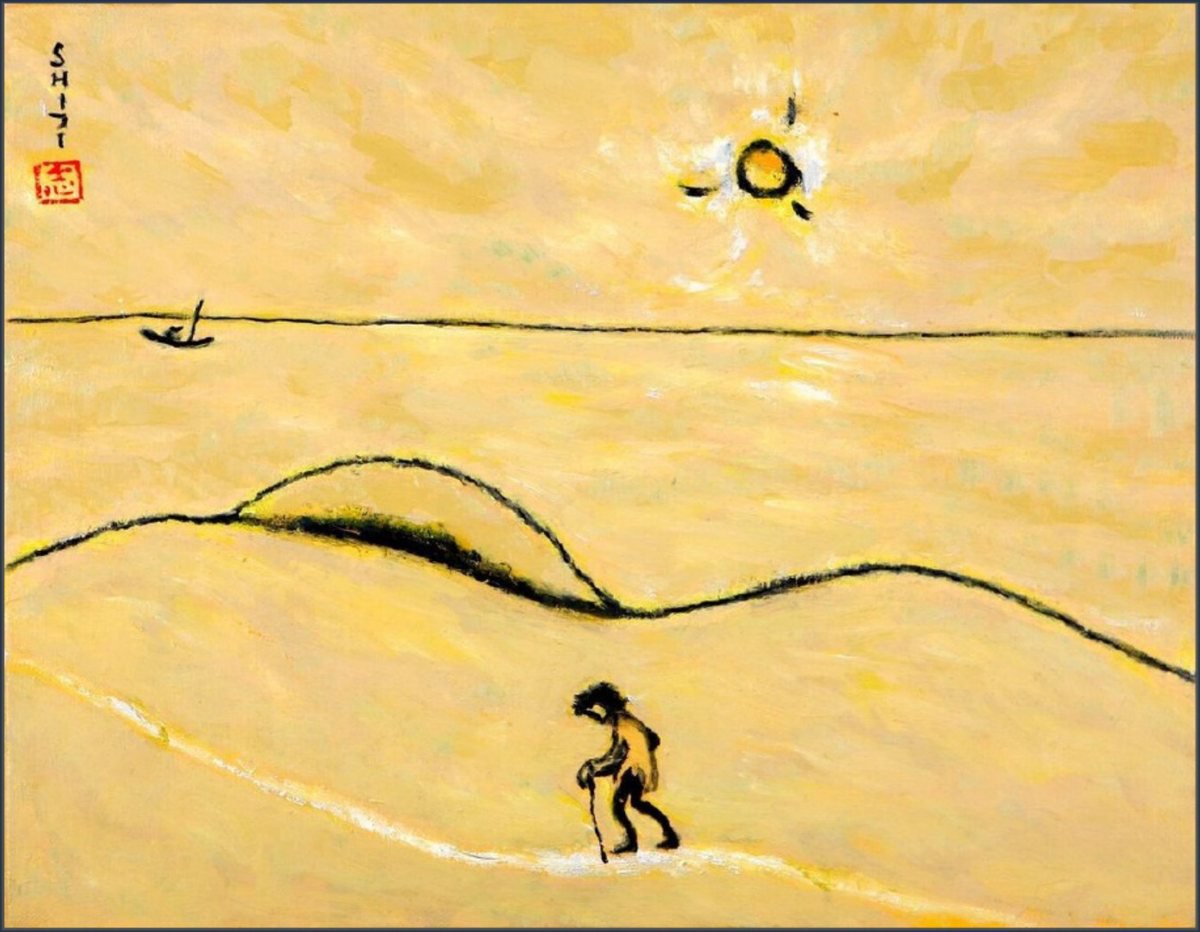
Wide Sea, Narrow Path
Life may be less about finding a straight road than about walking a bent path to its end.
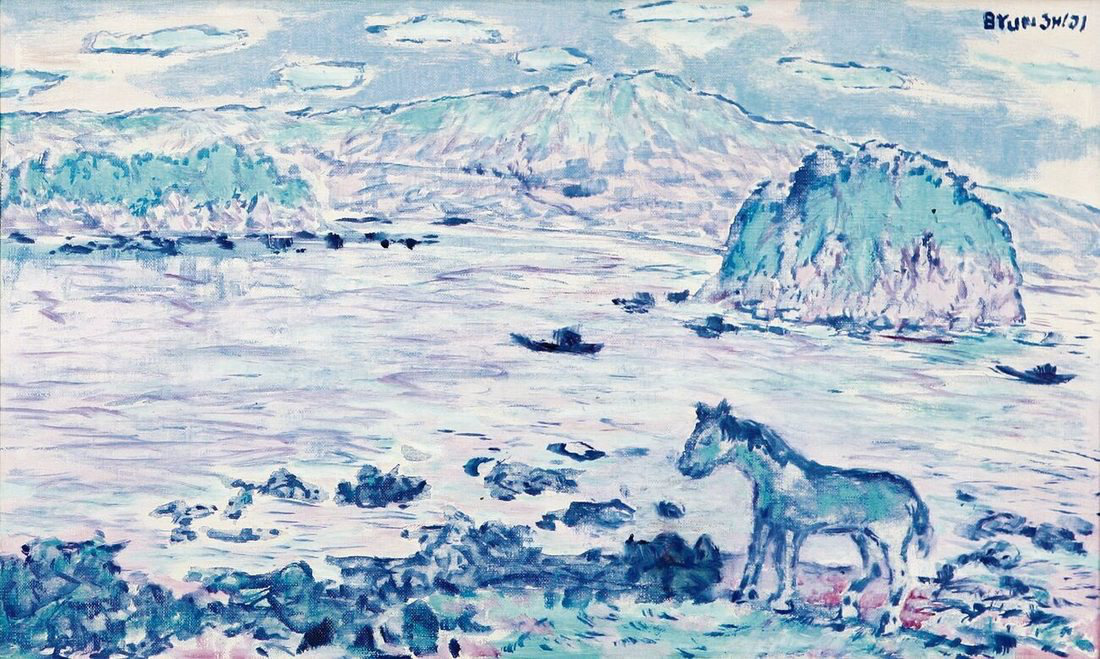
Jeju
Before every colour settled into dried-grass colour, the painter looked for a long time at the place to which he had returned.
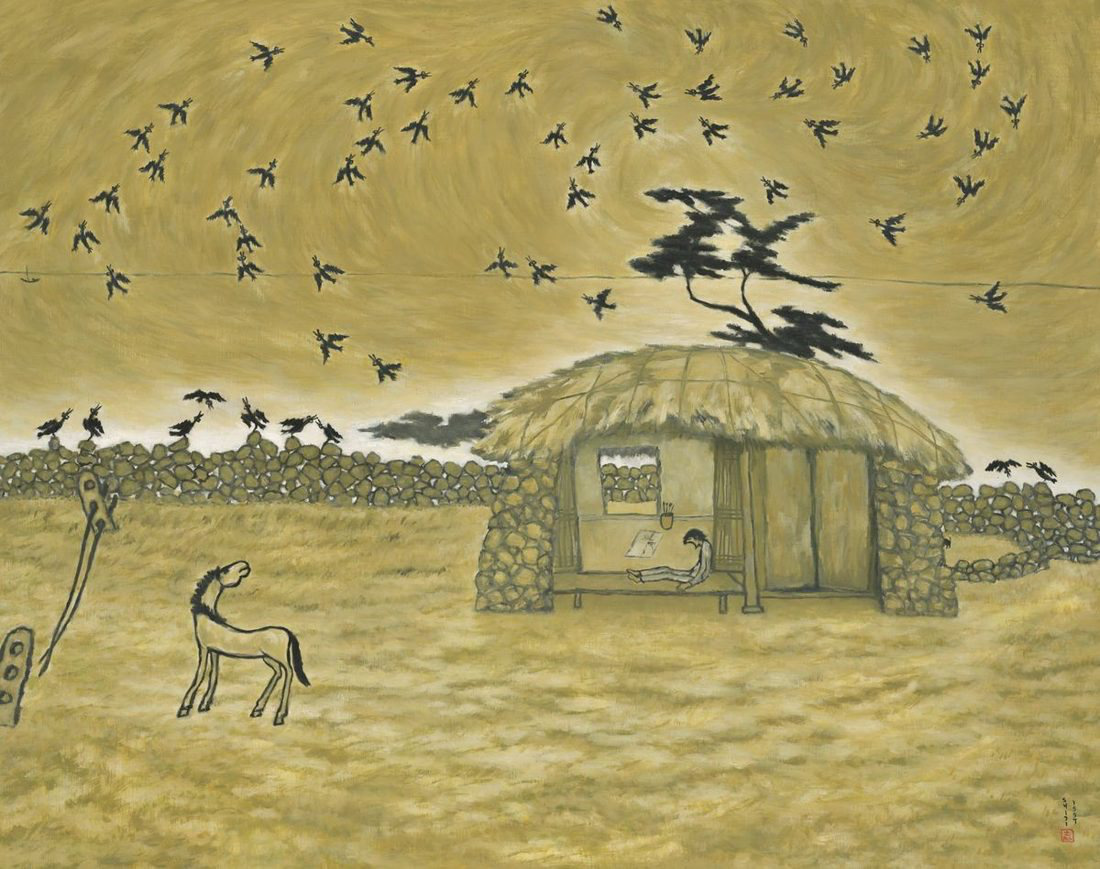
Wild Dance
Fūdo is the unseen force that makes a world live together. Separate beings remain within the same wind.
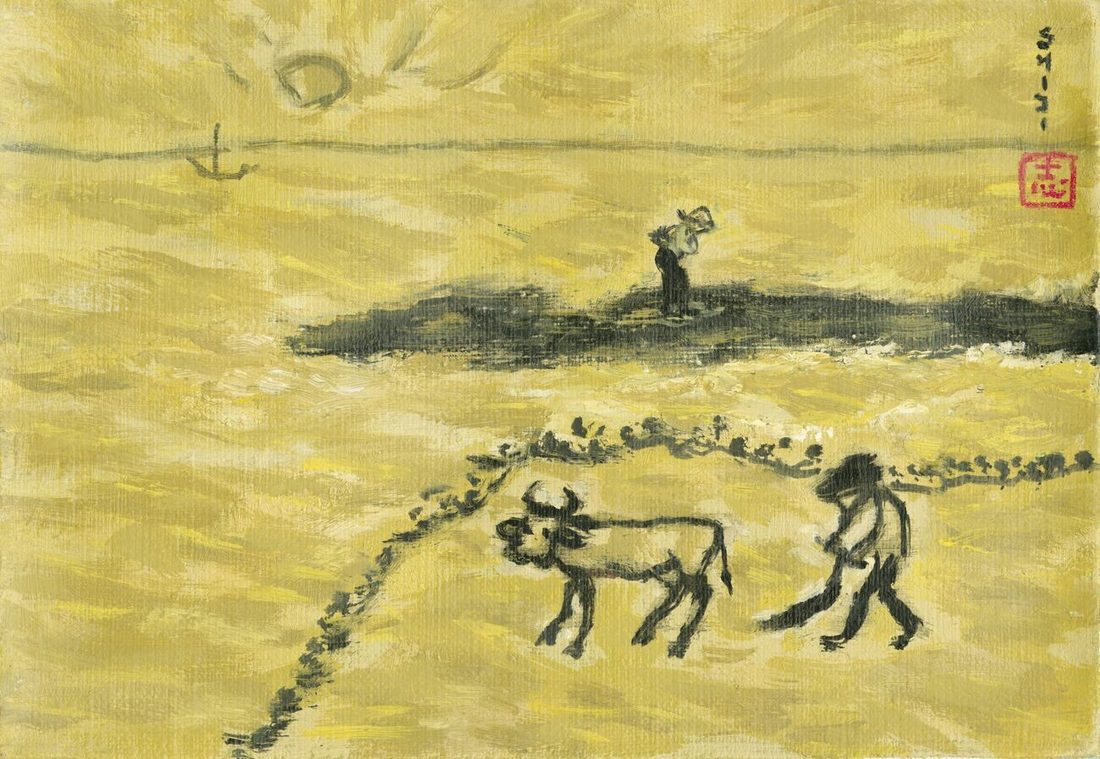
A Day
One person bears the day on land and another at sea, beneath the same sky.
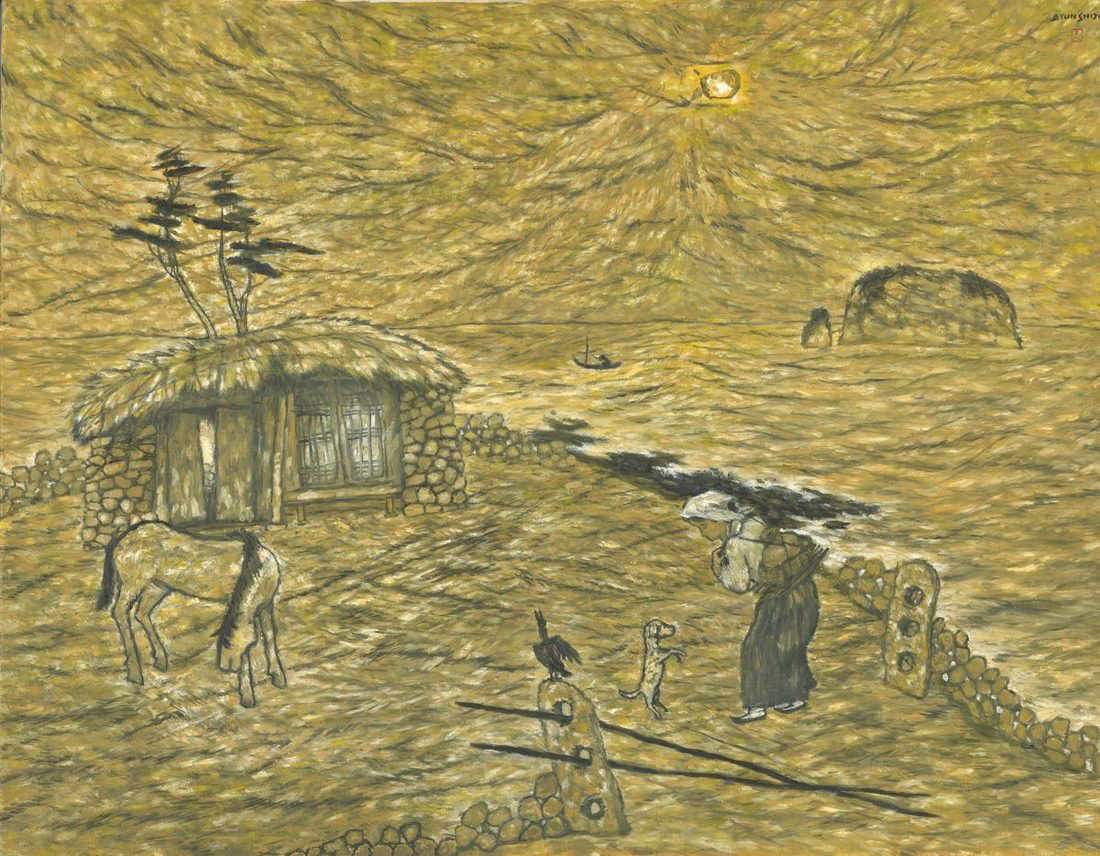
The Way Home
The hand that painted departure throughout a lifetime finally painted return. An entire life lay between the two.
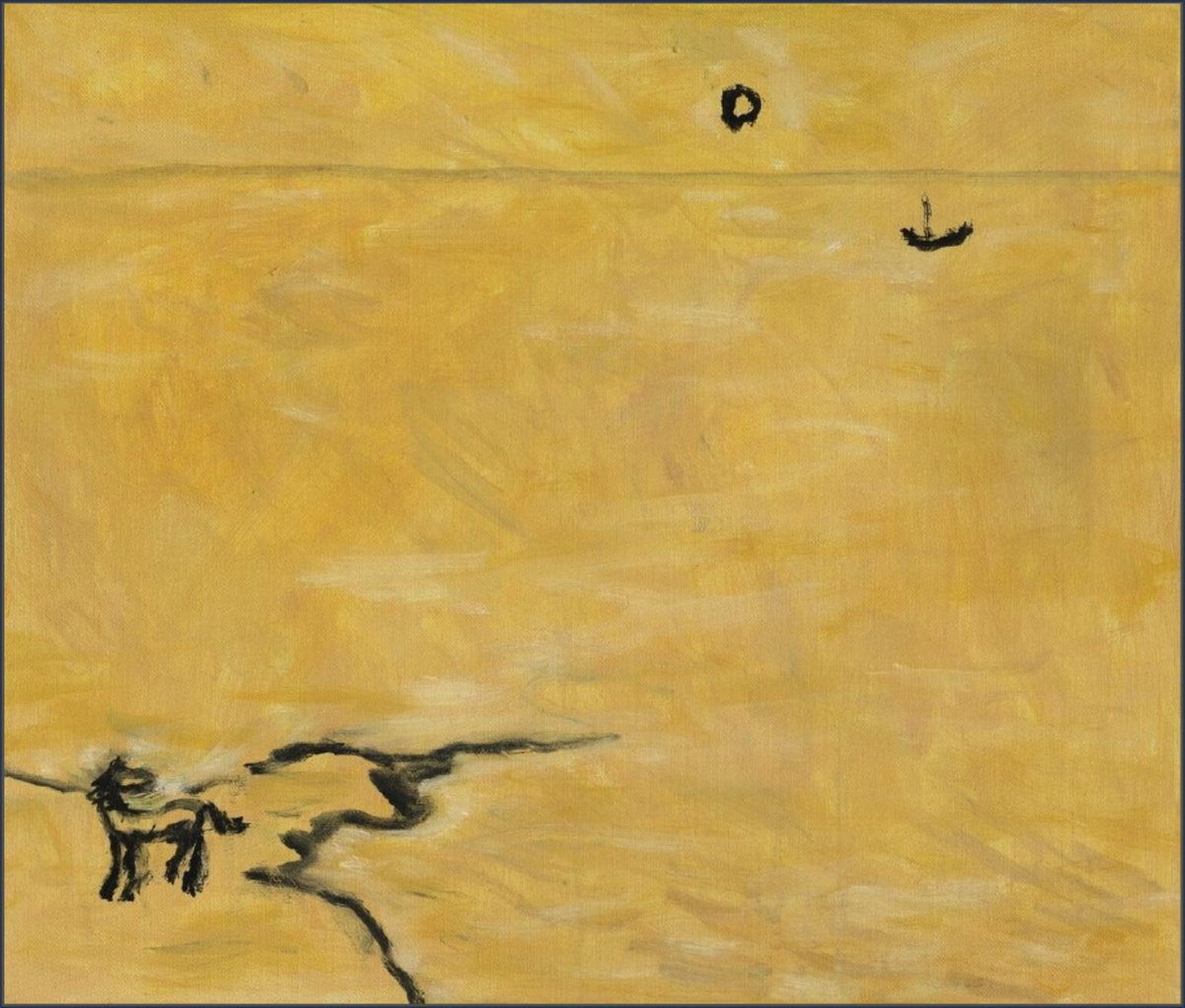
The Last Work
A horse, black sun, small boat, and coastline remain in minimal lines. The final surface is less a closed conclusion than an open resonance.