CENTRAL READING
A Lively Half-Day by the Sea
Solitude is not where life stops, but where the world's smallest movements become more audible.
PERIOD & MOTIFS
Early Jeju, 1975–1979
Return at fifty, blue Jeju, horses and boats, labour and absence.
fudosolitude
LIFE & TIME
Chronological coordinates
- 1979A Lively Half-Day by the Sea was created and registered in the official archive.
- REVIEWEarly Jeju, 1975–1979 · Return at fifty, blue Jeju, horses and boats, labour and absence.
THE PAINTER’S VOICE
Related oral history
- Session 5Formation of the Jeju Style
- Session 6Life and Primal Landscape in Jeju
- Session 7Independent Artistic World · Technique · Dried-Grass Colour
RESEARCH
Research paths
- RESEARCHPainter and FūdoOpen source →
- RESEARCHA Century of WindOpen source →
- RESEARCHOral-History CommentaryOpen source →
EVIDENCE
Evidence and interpretation
| Grade | Claim | Basis |
|---|---|---|
| A | 1979 · A Lively Half-Day by the Sea | Title, year and image in the official 100 Works archive. |
| B | Visible form and recurring motifs | Direct comparison of image, artwork text and related works. |
| B | Early Jeju, 1975–1979 | Formal comparison within the reviewed chronological group. |
| C | Links to life, testimony and research | Curatorial relations proposed for research navigation. |
Related Works
Works to view together
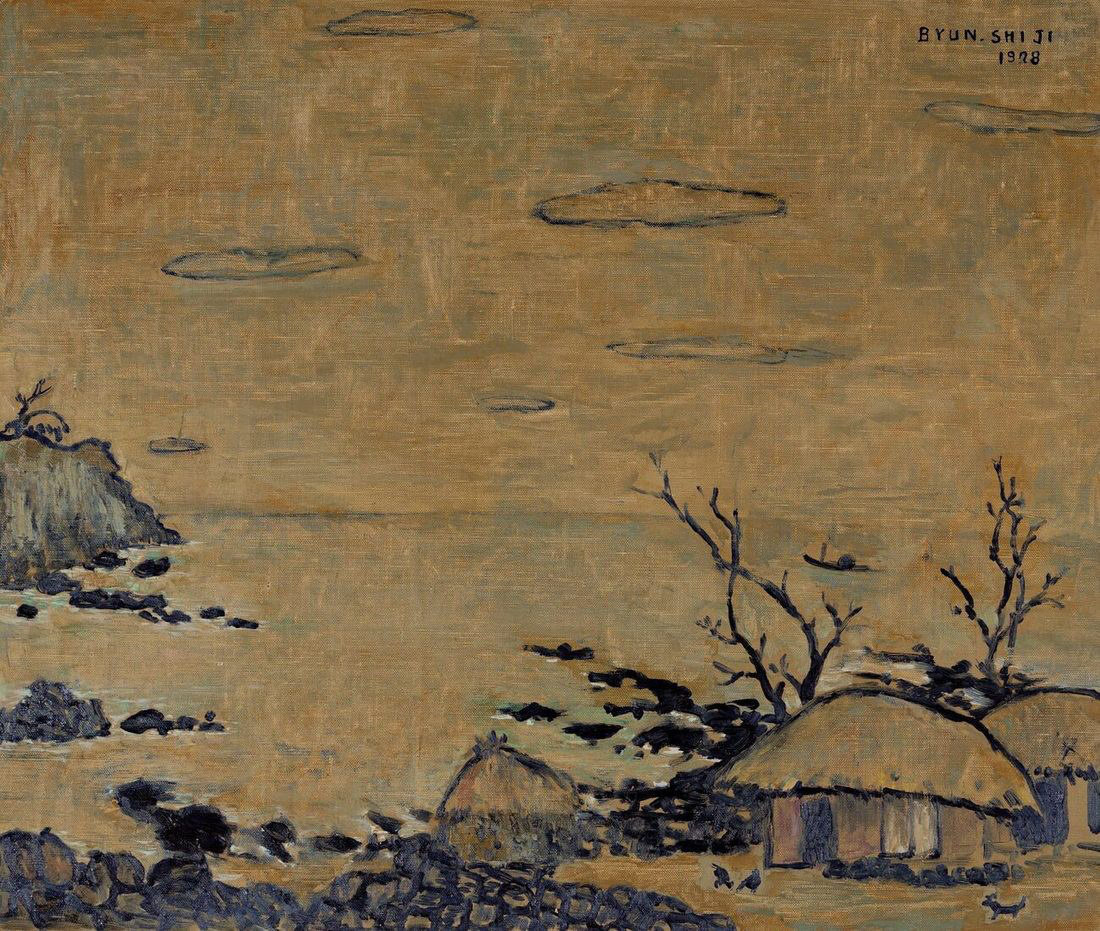
FŪDO 045 · 1978
Sea Village
A sea village is where sea and land divide the work of sustaining life.
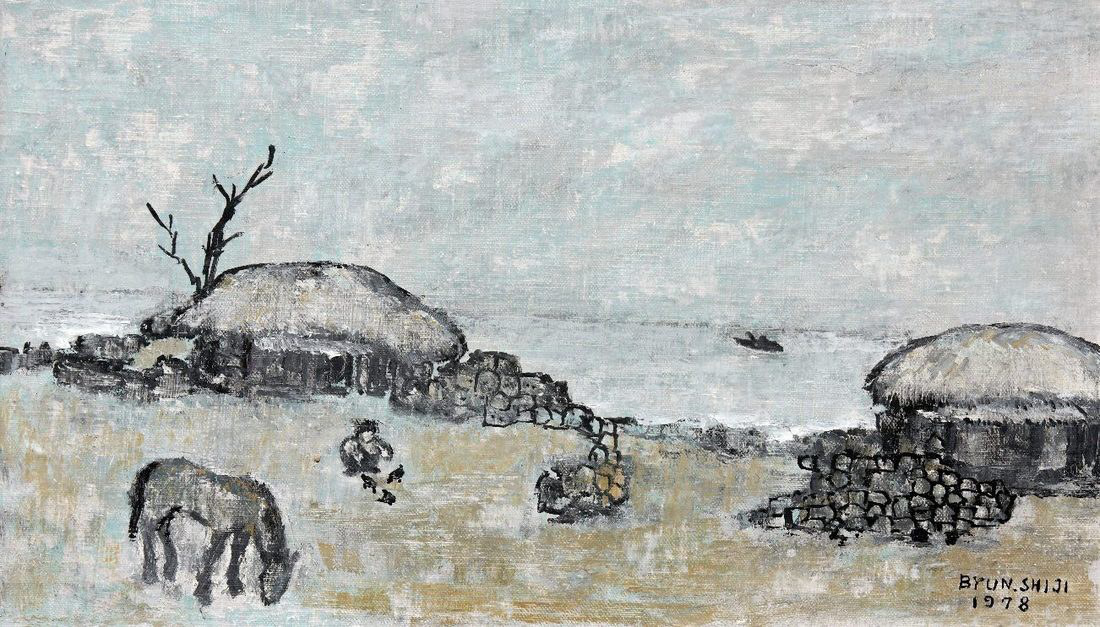
FŪDO 051 · 1978
The Shore and the Pony
The closer the bond, the fewer the words. This quiet is the everyday life of Jeju.
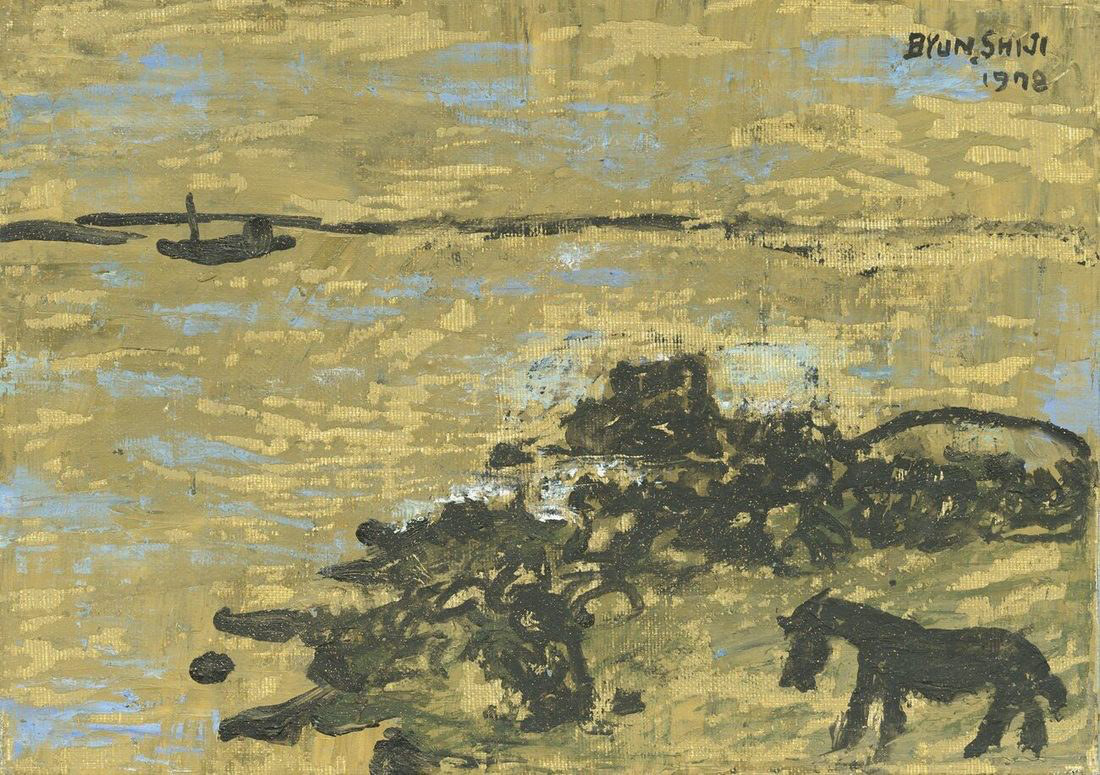
FŪDO 052 · 1978
The Shore and the Pony
Dried-grass colour is not nature's surface colour, but the colour left by life exhausted through waiting.
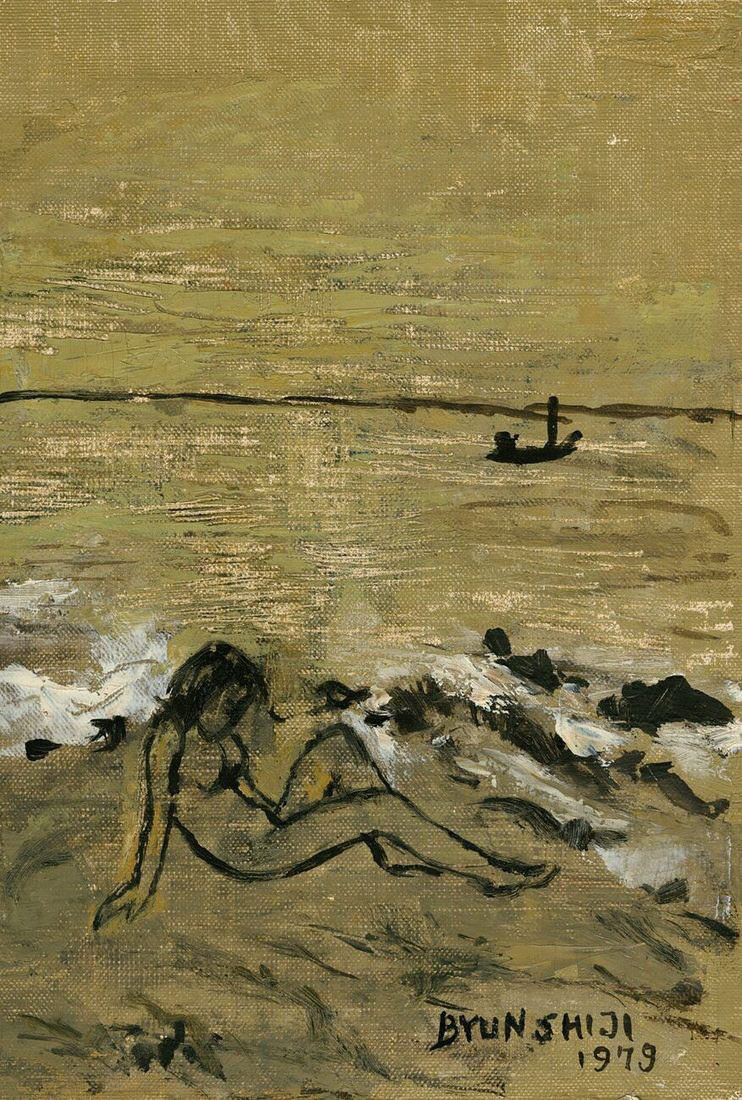
FŪDO 040 · 1979
Haenyeo
Depth does not come from darkness alone, but from long endurance and weathering.
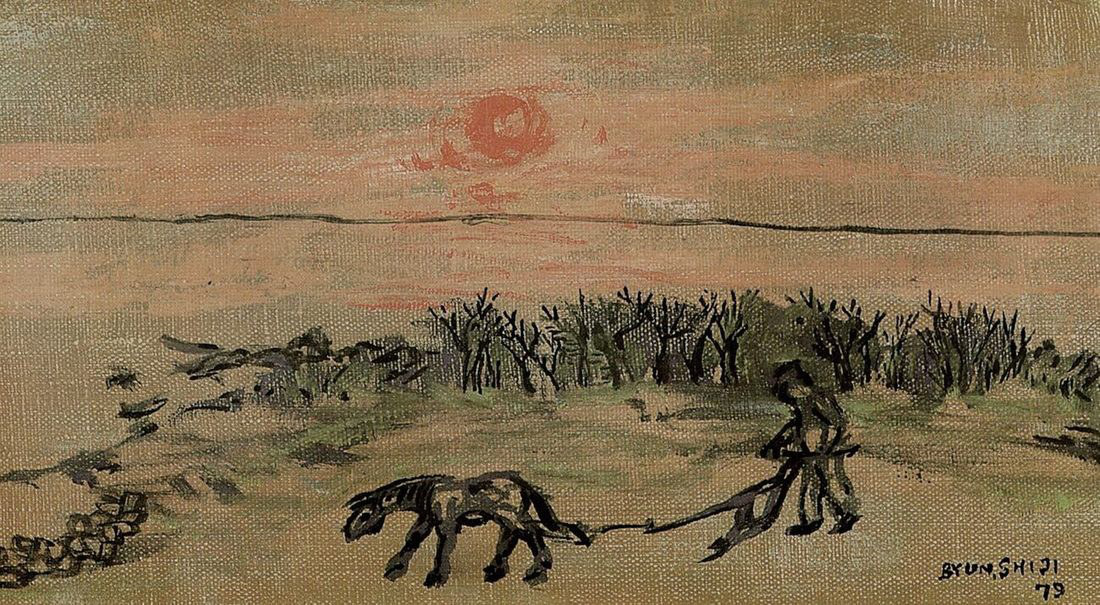
FŪDO 042 · 1979
Plowing
Dried-grass colour is the living colour that remains after life has endured for a long time.
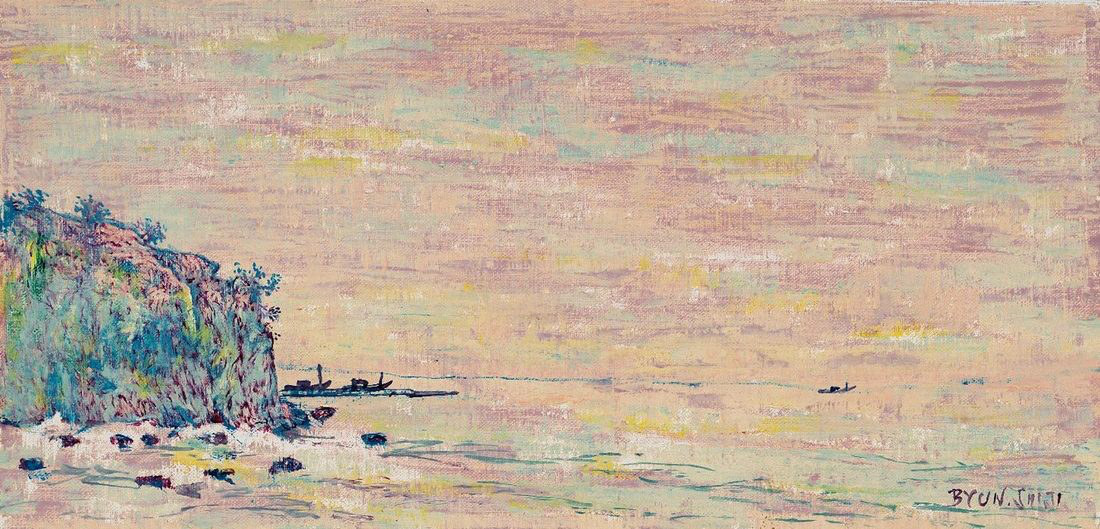
FŪDO 071 · 1975
Sunset
Depth appears when several times are allowed to remain together within one pale light.